bestsoftwarereviews may earn a commission when you buy through links on this page, at no extra cost to you. This does not affect our ratings.
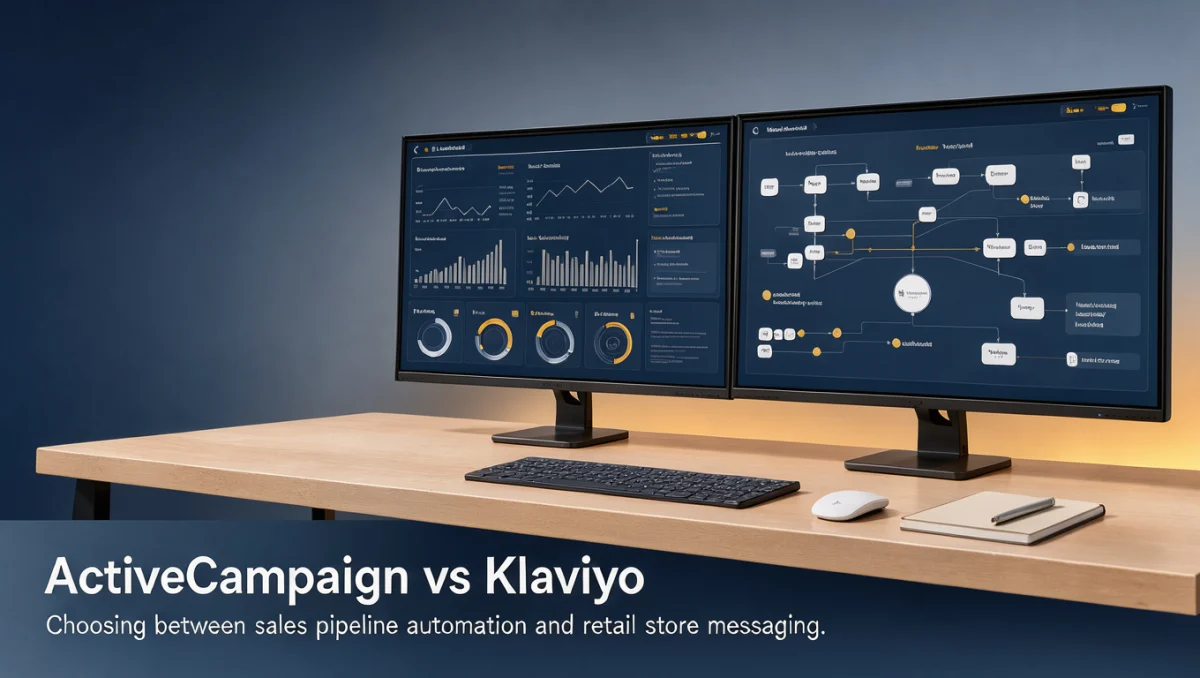
ActiveCampaign vs Klaviyo represents a choice between multifaceted marketing automation paired with deal tracking and an event-driven communications hub structured around retail transactions. Selecting between these two software solutions requires understanding whether your customer acquisition relies on direct sales pipelines, client appointments, and lead scoring, or on repeat digital storefront purchases driven by catalog synchronization. At Best Software Reviews, the goal is to evaluate each platform according to operational purpose rather than marketing hype.
Both platforms operate within modern Marketing environments, but each platform targets a different operational rhythm. ActiveCampaign functions as an automation engine combined with contact record management for diverse commercial models, whereas Klaviyo is oriented toward merchant data structures and digital purchase behaviors. Deciding which architecture matches your company prevents expensive migrations and technical friction down the line.
Quick verdict: With an overall rating of 8.0 out of 10, the activecampaign vs klaviyo evaluation comes down to your operating model. ActiveCampaign is best for service firms, consulting agencies, and multi-channel teams needing pipeline tracking, while Klaviyo fits online retail merchants who need automated messaging powered by shopping transactions. Neither platform suits individuals looking only for an elementary newsletter broadcast tool without automated customer journeys.
| Evaluation Factor | bestsoftwarereviews Summary |
|---|---|
| bestsoftwarereviews score | 8.0 / 10 |
| Best for | Teams balancing client relationship tracking alongside automated email sequences, or online retail merchants managing digital shopping carts. |
| Not ideal for | Solo creators who only send manual email newsletters without automated logic, segmentation workflows, or transaction data tracking. |
| Key strengths | Complex branched workflow automations, customer relationship tracking, store-level purchase event monitoring, and audience segmentation. |
| What to check before buying | Review list size tiers, sending thresholds, contract terms, and required add-on modules on each official vendor website before subscribing. |
1. How bestsoftwarereviews Reviewed ActiveCampaign vs Klaviyo
This review looks at what ActiveCampaign vs Klaviyo is built to do, who it serves, and how it compares with similar tools, using the seven bestsoftwarereviews criteria: features, ease of use, pricing and value, integrations, audience fit, support and competitive position. Plans, prices and limits change often, so we point out what to confirm on the official website before you buy. This article was researched and drafted with the help of AI tools, then reviewed and edited by the bestsoftwarereviews Editorial Team.
2. Short Answer
The core difference between ActiveCampaign and Klaviyo centers on whether your revenue engine runs on deal stages and cross-channel lead qualification or on ecommerce transactional events. ActiveCampaign provides a flexible automation canvas that combines email workflows with internal task assignment and contact pipeline oversight. This makes it suitable for professional services, subscription platforms, educational programs, and businesses with human-driven sales steps.
Klaviyo, in contrast, specializes in the retail commerce lifecycle. Its data architecture processes digital storefront actions such as viewing a product, adding an item to a cart, completing checkout, and processing refunds. If your business depends on syncing order histories and browsing intent directly into message sequences, Klaviyo fits that requirement. If your business requires tracking consultations, proposals, and pipeline milestones alongside marketing touchpoints, ActiveCampaign aligns closer to your requirements.
3. Positioning Comparison
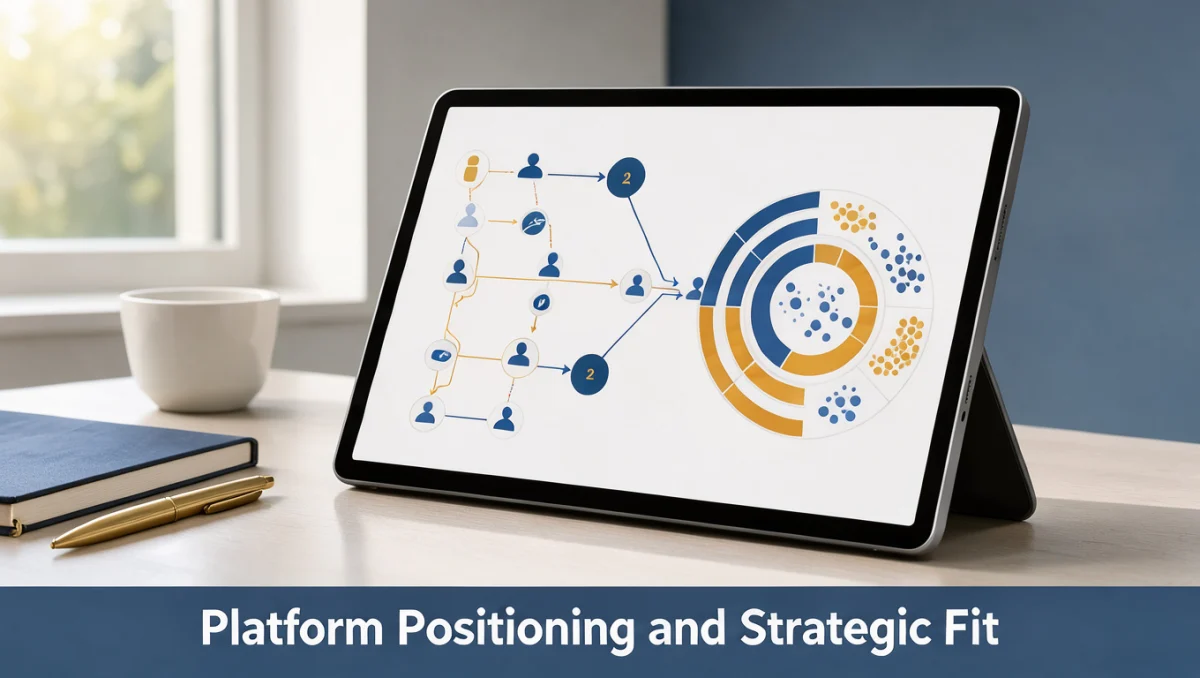
Understanding how software vendors categorize their platforms helps prevent mismatching tools with your operational priorities. Marketing platforms differ in how they ingest contact attributes, interpret behavioral signals, and prompt next steps for team members.
| Tool | Best for | Core strength | Consider if |
|---|---|---|---|
| ActiveCampaign | B2B services, education providers, agencies, and mixed-model businesses. | Multi-path automation builders linked to deal stages and lead scoring mechanics. | Your operational model involves proposals, consultative client calls, or sales pipelines. |
| Klaviyo | Direct-to-consumer ecommerce merchants and product catalogs. | Real-time store event synchronization and product-specific audience segmentation. | Your revenue relies on repeat retail checkouts and online consumer browsing activity. |
Buyers should assess whether their customer relationship is transactional or relationship-driven. When communication requires human intervention, such as account management or pipeline progression, sales automation tools deliver superior organization. When communication relies purely on automated event triggers following an online shopping session, retail-focused platforms provide quicker utility.
4. Features and Functional Scope
Evaluating the functional scope of both platforms requires looking at automation construction, audience segmentation, contact management, and message creation. Each platform handles these tasks with a distinct design philosophy.
Automation Builders and Visual Logic
ActiveCampaign provides an automation builder designed around triggers, conditional splits, wait conditions, and internal system updates. Users can create branched sequences that react not only to email clicks or web visits, but also to stage movements within a deal pipeline, tag updates, and score thresholds. The visual canvas allows marketing and sales teams to route contacts based on complex behavioral criteria across lengthy sales cycles.
Klaviyo organizes automation through pre-configured event flows built specifically for digital commerce scenarios. Flows trigger based on specific retail activities, such as abandoned checkouts, price drops on browsed items, or loyalty milestones. While branching is supported based on past purchase history and customer lifetime spending estimates, the logic remains focused on prompting customer transactions rather than managing internal manual sales tasks.
Audience Segmentation and Data Ingestion
Segmentation in ActiveCampaign functions through tag-based structures, custom fields, site tracking events, and engagement metrics. Teams can group contacts by demographic criteria, content consumption, and readiness to purchase. This accommodates complex B2B scoring, where a prospect earns points for downloading resources, visiting specific service pages, or meeting qualification rules.
Klaviyo uses dynamic lists that refresh continuously based on store events, historical ordering frequency, and catalog interaction. Segment definitions can filter users who purchased from a specific product category within a designated timeframe or who viewed a product without making a transaction. This depth of retail attribute filtering allows ecommerce brands to execute targeted promotions without manual list sorting.
Contact Records and Pipeline Oversight
ActiveCampaign includes native contact records that store conversation history, notes, assigned account owners, and visual deal pipelines. This functionality enables service-based companies to guide leads from inbound inquiry to completed agreement without requiring a separate standalone sales tool for straightforward workflows.
Klaviyo focuses its profiles on customer spending metrics, predicted order intervals, historical transactions, and messaging channels. It does not provide traditional B2B sales pipelines or lead distribution boards, as consumer retail workflows rarely involve manual proposal stages or representative outreach.
5. Ease of Use and Learning Curve
The operational complexity of marketing automation software depends on how your team structures campaigns and manages contact data. Both platforms require dedicated onboarding time, though the learning curve manifests in different areas.
Navigating the Workflow Canvas
Setting up workflows in ActiveCampaign requires an understanding of how tags, lists, and custom fields interact across both marketing campaigns and deal boards. Because the system offers deep branching capabilities, new users must plan their logical structures carefully to avoid creating infinite loops or contradictory conditions. Teams accustomed to basic email tools usually need time to adjust to multi-step logic architecture.
Klaviyo offers a user experience centered around standard ecommerce playbooks. Merchants can launch foundational flows quickly because the trigger logic matches standard retail benchmarks. However, mastering Klaviyo requires learning its data taxonomy, including how store metadata passes into message templates and how predictive customer metrics calculate over time.
Template Design and Content Assembly
Both platforms provide drag-and-drop template builders designed for creating responsive email messages. ActiveCampaign supports flexible content blocks, personalized dynamic fields, and conditional formatting based on recipient tags or demographic data.
Klaviyo tailors its content builder around catalog feeds, dynamic cart recreation blocks, and personalized product recommendation grids. Designing messages in Klaviyo feels intuitive for retail staff who need to pull live stock items and pricing updates into marketing campaigns without custom code.
6. Pricing and Total Cost of Ownership
Subscription expenses for marketing automation platforms fluctuate according to audience size, message volume, and functional requirements. Buyers must evaluate structural billing parameters rather than focusing solely on starting rates.
Understanding Cost Drivers
Many software vendors structure their pricing tiers around total active contacts, stored records, or monthly message allowances. When reviewing ActiveCampaign, confirm on the official plan comparison page how contact counts are calculated across different lists, and verify whether sales pipeline functionality requires a specific plan level or add-on package.
When evaluating Klaviyo, review the official pricing calculator regarding combined email and SMS sending allocations. Because Klaviyo charges based on active profile counts and transactional volume, retail brands experiencing seasonal spikes must calculate how high-volume holiday periods impact monthly software expenses.
Operational Overhead and Maintenance
Beyond the base subscription, organizations should budget for list maintenance, template configuration, and integration maintenance. Many businesses find that hiring an implementation specialist or agency partner helps establish complex branching rules, clean up historic contact lists, and map webhooks accurately during initial setup.
7. Integrations and Ecosystem
Marketing platforms cannot function in isolation. They must ingest data from web forms, payment gateways, shopping platforms, appointment calendars, and analytics tools.
Software Compatibility Assessment
ActiveCampaign links with a broad spectrum of external applications, including web form plugins, learning management systems, appointment schedulers, membership software, and popular customer support platforms. This makes it adaptable for educational academies, agency firms, and professional consultancies running varied operational tech stacks.
Klaviyo maintains deep connections with major ecommerce platforms, point-of-sale systems, and retail review networks. Its architecture focuses on processing catalog inventory, customer checkouts, and shipping updates. Buyers whose businesses do not operate on an online shopping cart system will find limited utility in Klaviyo retail-specific connectors.
Data Flow and Synchronization Requirements
Before committing to either solution, map out the critical data fields your organization depends on daily. Confirm on the official documentation pages whether data synchronizes in real time or in scheduled batches, and verify if custom field mapping requires third-party middleware or specialized developer resources.
8. Audience and Business Model Fit
Selecting software that mirrors your business model eliminates operational bottlenecks and improves return on marketing effort. ActiveCampaign and Klaviyo serve fundamentally distinct organizational profiles.
When ActiveCampaign Serves Your Business Model
ActiveCampaign fits teams with multifaceted marketing and sales operations. Consider this platform if your daily workflow involves:
- Managing consultative sales cycles that require automated follow-ups alongside manual phone calls or proposals.
- Running membership websites, online courses, or client service agencies where contact engagement determines service delivery.
- Qualifying inbound inquiries through lead scoring before assigning contacts to specific team members.
- Sending automated onboarding sequences based on appointment bookings, document submissions, or account milestones.
When Klaviyo Serves Your Business Model
Klaviyo fits companies focused on online consumer retail. Consider this platform if your daily workflow involves:
- Running an online storefront with physical or digital products managed through a digital product catalog.
- Automating messages triggered by abandoned carts, product page browsing, and post-purchase replenishment cycles.
- Segmenting audiences based on purchase frequency, average order value, and lifetime customer expenditure.
- Coordinating unified email and SMS campaigns specifically centered on promotional retail product drops.
9. Customer Support and Guidance
Access to technical assistance and reliable documentation becomes essential when building complex multi-step automations or troubleshooting message delivery hurdles.
Support Resources and Documentation
Both vendors provide extensive self-service knowledge bases, community forums, and training academies. When planning your purchase, confirm on the official support pages which support channels, such as live chat, ticket submission, or phone assistance, correspond to each subscription tier, and verify their operational hours across your local time zone.
Teams with specialized technical requirements or compliance demands should also check the official enterprise support guidelines to understand whether dedicated account managers or onboarding assistance require specialized contract agreements.
10. Competitive Position and Value
In the broader landscape of automation tools, ActiveCampaign and Klaviyo represent benchmarks in their respective niches. ActiveCampaign competes with platforms like HubSpot, Brevo, and Keap for service-oriented marketing automation. Its competitive value lies in providing flexible customer journey automation and pipeline tracking without forcing users into full enterprise suites.
Klaviyo competes with retail messaging systems like Omnisend, Drip, and Mailchimp. Its market advantage centers on specialized data synchronization for shopping carts, allowing merchants to launch transaction-triggered campaigns without developing custom database scripts. Choosing between them comes down to identifying whether your core revenue transaction is a digital retail checkout or a consultative relationship.
11. How to Decide Between ActiveCampaign and Klaviyo

Making a definitive software choice requires an honest audit of your current business workflows, existing technical stack, and immediate growth targets. Follow these steps to reach an informed purchasing decision.
Step 1: Audit Your Primary Conversion Event
Identify the exact moment an inbound contact becomes a paying client. If conversion occurs via a digital shopping cart checkout page, Klaviyo provides the exact event architecture required. If conversion happens via an agreement, consultation, custom invoice, or demo call, ActiveCampaign offers the relationship pipeline tools you need.
Step 2: Map Your Automation Complexity
Outline your ideal customer communication sequence on paper. If the sequence involves branching rules based on internal lead stages, form submissions, and staff tasks, choose ActiveCampaign. If the flow strictly follows order placements, browse abandonment, and product category interests, Klaviyo handles the job efficiently.
Step 3: Calculate Your Multi-Channel Strategy
Determine whether your marketing strategy requires integrated sales pipelines or whether your emphasis sits entirely on retail marketing channels like email and SMS. Check the official pricing calculators for both platforms to model your expected audience growth and ensure the subscription costs remain viable over the next twelve months.
12. Frequently Asked Questions
What should I budget for besides the base subscription?
Organizations should budget for list verification services to clean historic records, professional template design, and third-party connector tools if their custom web applications do not link directly. Allocating internal time or contractor budget for migration and onboarding setup prevents disruption to ongoing marketing campaigns.
How do I know if my business needs a sales pipeline tool?
Your team requires a sales pipeline tool if transactions involve personalized quotes, discovery calls, contract reviews, or manual team follow-ups. If revenue generates entirely through automated self-service checkouts on a digital storefront, a traditional sales pipeline is unnecessary, making retail messaging tools a more efficient choice.
Can I migrate contact lists and historical data between these platforms?
Standard contact data, including email addresses, phone numbers, names, and custom text fields, transfers between platforms via standard export files. However, dynamic automation histories, active workflow states, and platform-specific behavioral metrics rarely transfer across vendors, requiring teams to rebuild automation logic natively in the new platform.
What factors influence message deliverability across both platforms?
Deliverability depends on sending domain authentication, list hygiene, subscriber engagement rates, and content quality. Maintaining clean subscriber lists by regularly removing inactive contacts and verifying technical DNS records ensures high inbox placement regardless of the software provider you select.
13. Final Verdict
ActiveCampaign and Klaviyo are both exceptional marketing platforms, but they cater to fundamentally divergent operational frameworks. ActiveCampaign shines when managing complex customer journeys that link automated messaging with sales pipelines, internal task assignments, and lead scoring. Klaviyo delivers distinct advantages for online merchants who need real-time data flow from their product catalogs and shopping carts to drive repeat transactional purchases.
| Criterion | Score / 10 | Reason |
|---|---|---|
| Features | 8.5 / 10 | Both platforms deliver rich workflow capabilities tailored precisely to their target business models. |
| Ease of Use | 8.0 / 10 | Interface navigation requires onboarding discipline due to complex branching rules and detailed segmentation options. |
| Pricing and Value | 7.5 / 10 | Costs scale progressively with contact and message volumes, requiring buyers to verify official tier thresholds carefully. |
| Integrations | 8.0 / 10 | ActiveCampaign connects broadly across business tech stacks, while Klaviyo provides specialized retail store connectivity. |
| Audience Fit | 8.5 / 10 | Each tool aligns closely with its intended audience, clearly separating B2B service workflows from B2C retail models. |
| Support | 7.5 / 10 | Educational documentation is thorough, while direct communication channels depend on the selected tier level. |
| Competitive Position | 8.0 / 10 | Each platform holds a reputable standing within its respective sector of sales automation or retail communication. |
| Overall score | 8.0 / 10 | Calculated average reflecting specialized design, functional depth, and clear operational utility across both tools. |
For service businesses, consultants, agencies, and mixed-model operations requiring lead tracking, choose ActiveCampaign. For dedicated online retail merchants seeking to maximize order value through automated cart and browse triggers, choose Klaviyo. Review your operational requirements and check current plan parameters on the official vendor websites before finalizing your decision.
Have questions about selecting the right platform for your business stack? Send your questions to our editorial team via our contact page or connect with bestsoftwarereviews on our LinkedIn profile.