bestsoftwarereviews may earn a commission when you buy through links on this page, at no extra cost to you. This does not affect our ratings.
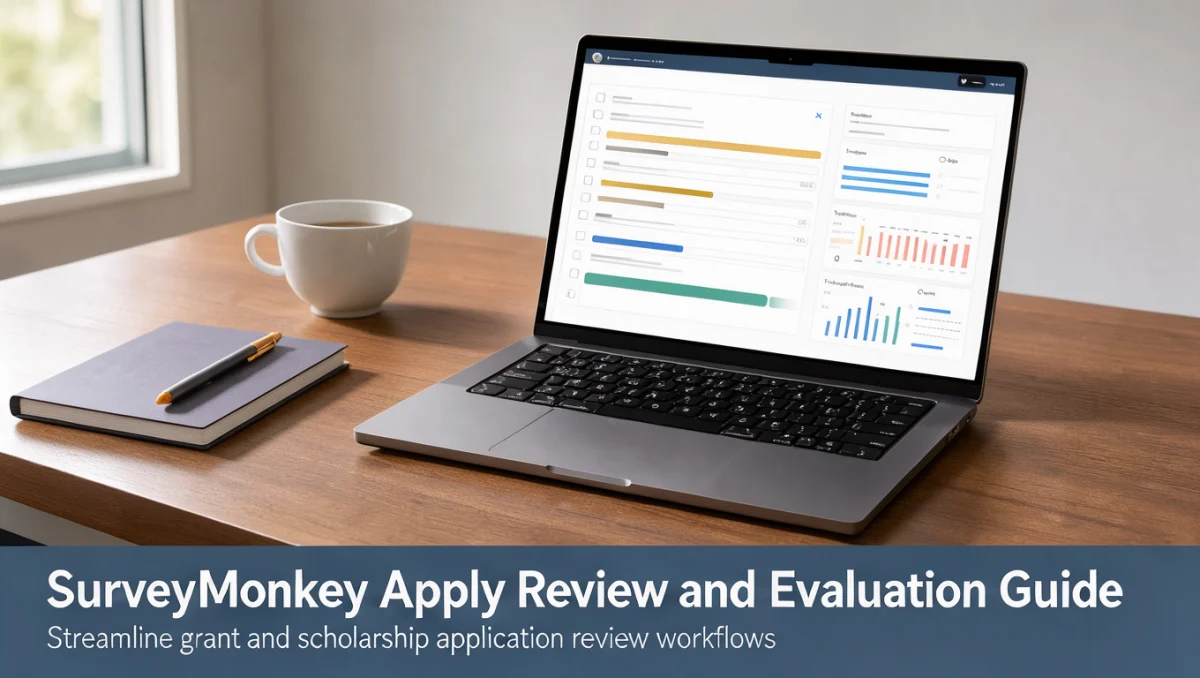
SurveyMonkey Apply is an application and review management platform designed to help organizations collect submissions, coordinate reviewer workflows, and administer grants, scholarships, or fellowship programs. Selecting the right administrative software requires balancing applicant intake capabilities against evaluation workflows, and this guide from Best Software Reviews examines how the system addresses complex submission cycles.
Organizations handling high volumes of recurring submissions often struggle with manual spreadsheets and disorganized email threads. Using structured intake forms and collaborative scoring pipelines helps program administrators maintain accountability throughout the selection cycle.
Quick verdict: SurveyMonkey Apply earns an overall bestsoftwarereviews score of 7.7 out of 10. It is an effective match for non-profit foundations, academic institutions, and grantmakers managing multi-stage applicant reviews. It is not suitable for organizations seeking basic public feedback surveys or small teams requiring immediate off-the-shelf applicant intake without administrative configuration.
| Metric | Summary |
|---|---|
| bestsoftwarereviews score | 7.7 / 10 |
| Best for | Organizations managing multi-stage grant, scholarship, fellowship, and award selection processes. |
| Not ideal for | Teams running simple one-time questionnaires or businesses seeking a standard hiring tracking system. |
| Key strengths | Dedicated applicant intake portals, multi-tier evaluation assignments, and centralized reviewer scoring tools. |
| What to check before buying | Review administrative setup demands, reviewer seat provisions, and applicant portal customization limits on the official vendor website. |
1. How bestsoftwarereviews Reviewed SurveyMonkey Apply
This review looks at what SurveyMonkey Apply is built to do, who it serves, and how it compares with similar tools, using the seven bestsoftwarereviews criteria: features, ease of use, pricing and value, integrations, audience fit, support and competitive position. Plans, prices and limits change often, so we point out what to confirm on the official website before you buy. This article was researched and drafted with the help of AI tools, then reviewed and edited by the bestsoftwarereviews Editorial Team.
2. What is SurveyMonkey Apply and Who is it For?

SurveyMonkey Apply serves as a specialized application management system developed under the SurveyMonkey product family to coordinate structured application cycles. Unlike standard form builders designed for general opinion polling or simple data collection, this tool focuses on the administrative lifecycles of grants, corporate awards, academic scholarships, and fellowship programs.
The platform addresses organizations that require formal applicant profiles, document uploads, committee evaluations, and multi-round decision tracking. Program directors use it to establish defined application eligibility steps before respondents submit complete application packages.
2.1. Core Audience Profiles
Grantmaking foundations represent a primary audience for this software category. These organizations oversee significant funding distributions and require auditable scoring records from independent evaluation panels.
Higher education departments also rely on application management software to coordinate student awards, research grants, and international study fellowships. In such environments, administrators must balance diverse committee members with clear scoring rubrics.
Corporate social responsibility teams and industry associations utilize application platforms to recognize achievements, manage annual award submissions, and distribute community investments through transparent processes.
3. Core Features of SurveyMonkey Apply
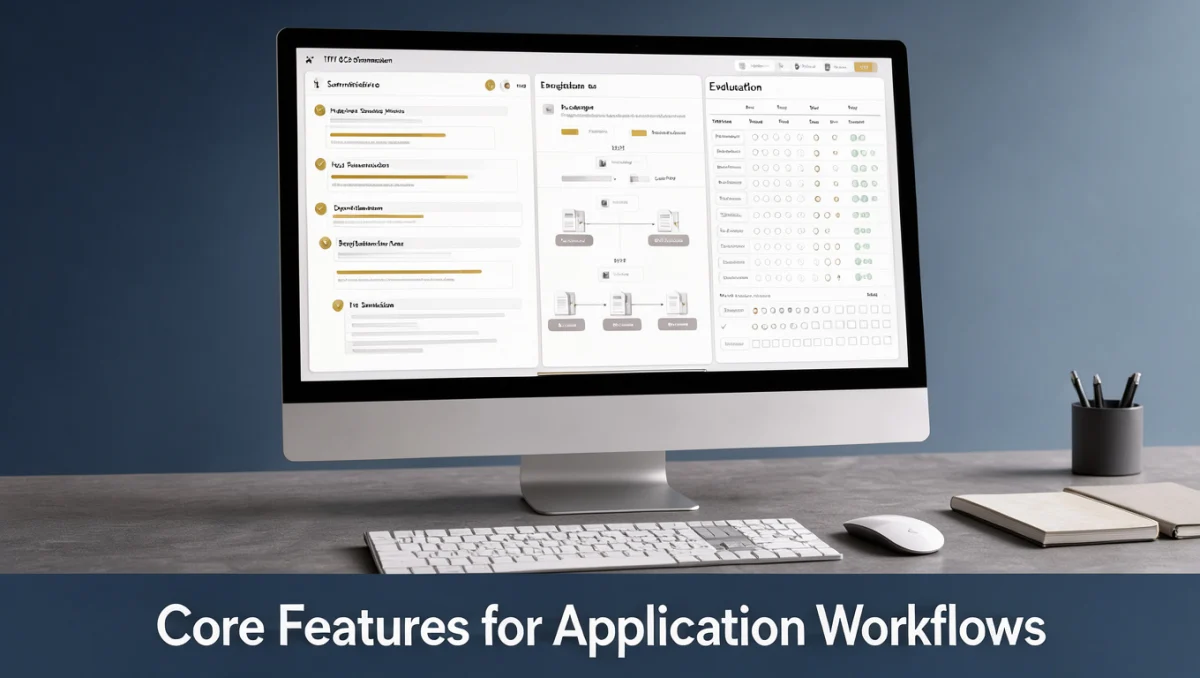
Application management platforms are defined by their capacity to manage multi-stage submission and evaluation pipelines. SurveyMonkey Apply organizes its feature set around intake forms, candidate portals, review routing, and administrative reporting.
3.1. Applicant Portal and Intake Workflows
Intake management begins with structured applicant workspaces where candidates register accounts, review eligibility guidelines, and complete multi-part submissions. Users can save in-progress entries, upload required documentation such as transcripts or project proposals, and track submission progress before formal deadlines.
Administrators configure conditional logic into application forms, directing candidates to relevant questions based on selected categories or eligibility requirements. This structure reduces incomplete submissions and standardizes information presented to evaluation committees.
3.2. Committee Review and Scoring Workflows
The review engine distributes submitted applications to assigned evaluation committee members according to customized routing rules. Program leaders can assign specific reviewers based on academic discipline, geographic region, or committee availability.
Reviewers access blinded or unblinded candidate profiles alongside standardized scoring rubrics. This design ensures that evaluators focus strictly on submitted qualifications without exposing sensitive demographic data when strict impartiality is mandated.
3.3. Award Allocation and Candidate Communication
Following committee scoring, administrators compare aggregate marks through ranking tables and candidate dashboards. Program leaders can move cohorts of applicants through various approval stages, generating automated status notifications at each step.
Communication tools within application management platforms allow teams to notify candidates of award decisions, request supplemental materials, and collect post-award documentation within the same centralized system.
4. Ease of Use and Administrative Learning Curve
Complex application management systems inherently require more preparation than standard survey tools. Setting up programs in SurveyMonkey Apply involves mapping out reviewer assignments, eligibility questionnaires, and scoring criteria before opening intake windows.
For applicants, structured portals provide intuitive navigation with visual progress bars indicating pending steps. This self-guided interface minimizes administrative questions during peak submission windows, functioning as an effective frontline touchpoint similar to a dedicated Customer Service platform that resolves intake confusion before deadlines arrive.
For committee evaluators, scoring workspaces present application packets alongside scoring forms on a single screen. However, administrative setup requires significant planning, particularly when configuring complex multi-stage approvals or weighted scoring formulas.
5. Pros and Cons of SurveyMonkey Apply
Evaluating an application management system requires reviewing operational trade-offs across intake customization and administrative oversight.
5.1. Advantages
- Structured submission pipelines allow candidates to track their own document uploads and application phases.
- Customizable reviewer rubrics ensure consistent evaluation criteria across different committee panels.
- Centralized administrative oversight reduces reliance on manual spreadsheets for multi-stage grantmaking.
- Automated status updates simplify high-volume candidate correspondence during acceptance and decline phases.
5.2. Limitations and Considerations
- Administrative configuration demands dedicated setup time before launching active application rounds.
- Specialized intake features exceed the requirements of teams conducting simple informational surveys.
- Custom workflow logic may require administrative training for staff unfamiliar with grant management concepts.
6. SurveyMonkey Apply vs Similar Application Management Tools
Application and grant management software encompasses several established platforms that cater to distinct organizational profiles.
| Platform | Target Audience | Primary Focus | Consideration Factor |
|---|---|---|---|
| SurveyMonkey Apply | Non-profits, education, and grantmakers | Multi-stage application cycles and review routing | Best for structured grant and scholarship pipelines |
| Submittable | Publishers, corporate grants, and creative programs | Submission tracking and team evaluation | Suited for multimedia submissions and publishing calls |
| Good Grants | International awards and grant organizations | Award management and recognition programs | Focused on contest judging and recognition ceremonies |
Submittable traditionally emphasizes community engagement, publishing submissions, and multimedia applications, whereas SurveyMonkey Apply concentrates closely on structured educational and grantmaking evaluations. Good Grants targets international award organizers seeking distinct judging configurations. Organizations should assess whether their primary workflow involves grant accountability or creative portfolio review.
7. Who Should Choose SurveyMonkey Apply?
Software alignment depends on your submission volume, evaluation complexity, and administrative structure.
7.1. Grant Administrators and Foundation Teams
Program officers managing recurring funding rounds benefit from structured review assignments and auditable scoring logs. The platform relieves administrative overhead by enforcing submission completeness prior to committee review.
7.2. University Scholarship Coordinators
Higher education departments handling student award applications need tools that support varied selection committees and privacy controls. Blinded review features ensure fair evaluations across diverse applicant pools.
7.3. Non-Profit Fellowship Directors
Organizations managing fellowship cohorts require tools that manage recommendations, candidate interviews, and multi-tier approval gates. SurveyMonkey Apply supports these progression stages within a unified interface.
7.4. Teams That Should Seek Alternative Solutions
Organizations running quick opinion polls or customer satisfaction surveys do not need application tracking software. Similarly, companies seeking human resources recruitment tools should evaluate dedicated applicant tracking systems designed specifically for hiring workflows.
8. How to Choose the Right Subscription Plan
Application platforms generally tailor access around program scope, active application cycles, and administrative seat allocations. Buyers should evaluate operational variables on the official vendor website before entering procurement agreements.
| What to Check | Why it Matters |
|---|---|
| Application submission capacity | Annual application volumes dictate subscription suitability and prevent unexpected intake halts. |
| Administrator and reviewer seats | Committee sizes vary, so verify how reviewer logins are counted within administrative agreements. |
| Data storage provisions | Programs requiring heavy portfolio uploads or document attachments require adequate storage allowances. |
| Custom domain branding options | Maintaining an institutional identity across applicant portals builds trust among candidates. |
9. Frequently Asked Questions
9.1. How does application management software differ from a standard survey builder?
Standard survey tools gather anonymous or single-session feedback from respondents without ongoing communication portals. Application management software provides persistent candidate workspaces, secure document upload channels, committee scoring rubrics, and formal decision tracking across multi-stage review cycles.
9.2. What should teams evaluate when planning reviewer access?
Teams should confirm how evaluation permissions are structured across external committee members. Determining whether evaluators need individual seats or shared scoring access helps clarify workflow planning before committee onboarding begins.
9.3. How can an organization prepare for launching an application program?
Program leaders should document eligibility rules, required attachments, scoring rubrics, and committee routing criteria prior to software configuration. Mapping these stages on paper first ensures administrative implementation proceeds smoothly.
9.4. What factors determine whether an organization needs a specialized grant portal?
Organizations receiving hundreds of complex submissions with multiple attachments benefit from dedicated intake portals. If your team spends substantial staff hours assembling committee packets manually, specialized software offers meaningful operational time savings.
10. Final Verdict on SurveyMonkey Apply
SurveyMonkey Apply provides an organized, reliable foundation for managing complex grant, scholarship, and award programs. By unifying applicant intake, reviewer assignments, and award notifications into one administrative environment, it eliminates the inefficiencies of manual tracking.
| Criterion | Score /10 | Reason |
|---|---|---|
| Features | 8.5 / 10 | Comprehensive application intake forms, reviewer rubrics, and candidate tracking workflows. |
| Ease of Use | 8.0 / 10 | Clean navigation for applicants and evaluators, though administrative program setup requires careful planning. |
| Pricing and Value | 7.0 / 10 | Software buyers must assess operational scale and verify specific terms on the official pricing page. |
| Integrations | 7.5 / 10 | Connects with organizational databases and core workflows according to vendor compatibility guidelines. |
| Audience Fit | 8.5 / 10 | Directly matches the operational requirements of grantmakers, academic bodies, and foundations. |
| Support | 7.0 / 10 | Organizations should verify training and support commitments on the official vendor website. |
| Competitive Position | 7.5 / 10 | Holds a clear place among dedicated grant and scholarship review management systems. |
Overall bestsoftwarereviews score: 7.7 / 10
Prospective buyers managing formal committee reviews will find significant value in the platform's structured scoring workflows. Review your program volume, committee structure, and configuration requirements on the official vendor website to determine if it fits your upcoming award cycle.
Have questions about selecting software for your organization? Reach out to our team through our contact page or connect with bestsoftwarereviews on LinkedIn for ongoing software buying guidance.