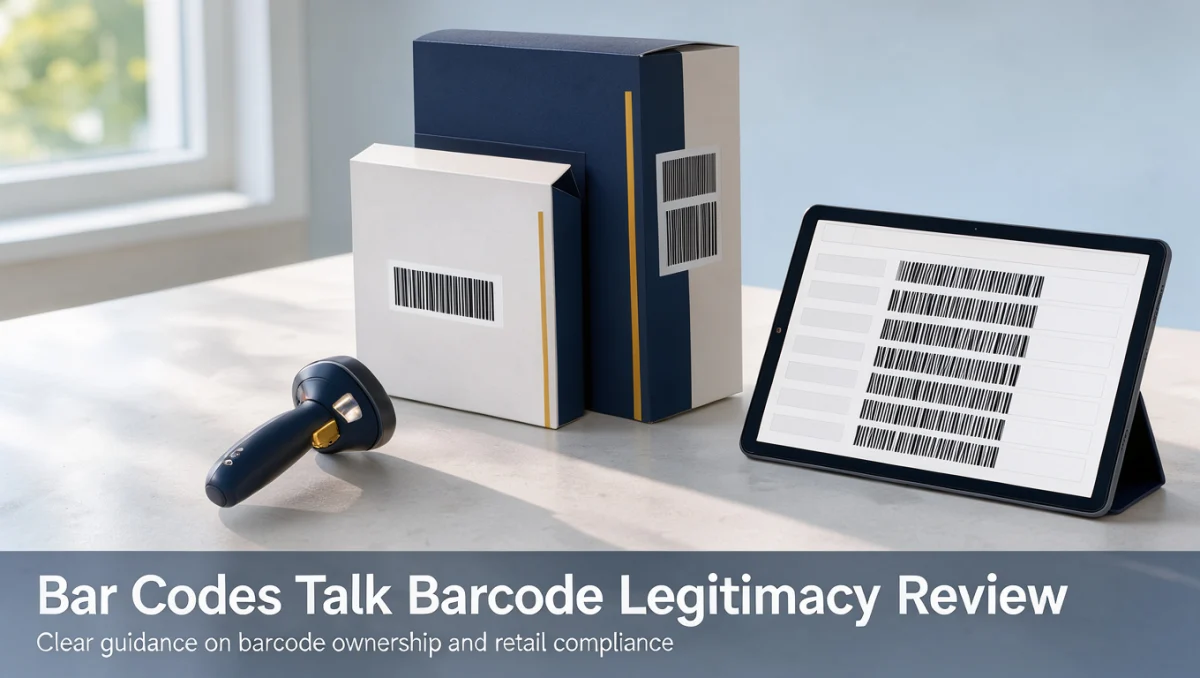
When establishing a physical product line, businesses often face the need for standardized identification. The question of whether are bar codes talk barcodes legit arises for many seeking verifiable product codes. This review delves into how services like Bar Codes Talk assist merchants in obtaining these essential identifiers without encountering unforeseen supply chain issues.
Understanding Bar Codes Talk's Role in Product Identification
Bar Codes Talk operates as a commercial provider, issuing Universal Product Codes (UPCs) and International Article Numbers (IANs) to merchants, creators, and independent brands. They achieve this by transferring previously assigned number blocks that originated from official registry pools before recent licensing changes. These sequences are crucial for creating scannable packaging symbols, tracking product variations, and registering items across various digital catalogs.
Entrepreneurs often question if these reseller numbers align with current distribution regulations. While many smaller retailers accept authentic second-party transfers, making providers like Bar Codes Talk a viable option for craft makers, self-published authors, and private-label manufacturers, it's essential to consider the intended distribution channels. Some large chains may mandate direct prefix licenses registered under the company's exact legal name.
Key Features of Barcode Assignment Services
Barcode providers offer a suite of identification assets to ensure products can successfully navigate point-of-sale systems and warehouse tracking.
Distinct Numerical Sequences
Each commercial item requires a unique numerical identifier to differentiate variations in color, size, weight, or formulation. Barcode providers issue these distinct sequences, ensuring that point-of-sale registers accurately retrieve the correct product profile when scanned. Accurately assessing your product catalog size is key to determining the number of unique sequences needed before designing packaging.
Creation of Graphic Assets
For physical distribution, digital numbers must be converted into standardized linear patterns known as symbologies. Reputable providers deliver graphical vector files and raster images optimized for commercial packaging printing. It's vital to review the technical file formats offered to confirm compatibility with your specific packaging software and graphic design workflow.
Ownership Certification and Documentation
Acquiring identification numbers through secondary transfers necessitates proper legal chain-of-custody documentation. Legitimate providers furnish transfer certificates that confirm the numbers originate from unassigned blocks and carry full usage rights without recurrent renewal obligations. Carefully inspect the official documentation terms to understand how these assignment rights protect your brand across commercial channels.
Navigating the Ordering Process
The workflow for acquiring secondary barcode numbers is largely digital and automated, allowing merchants to transition from inventory planning to label application efficiently.
Purchasers begin by cataloging every distinct stock-keeping unit for their upcoming product launch. Since each size, scent, or style requires a separate code, accurate pre-order inventory counts are essential to prevent packaging delays. The ordering system then processes the quantity selection and generates numerical allocations alongside corresponding graphical artwork files.
Upon issuance, merchants can download digital packaging archives containing linear barcode EPS, vector, and raster files. Designers then incorporate these graphics directly onto product packaging, adhering to standard printing margins. For founders seeking operational advice on vendor communications, exploring our Customer Service guidance offers valuable perspective.
Pros and Cons of Bar Codes Talk
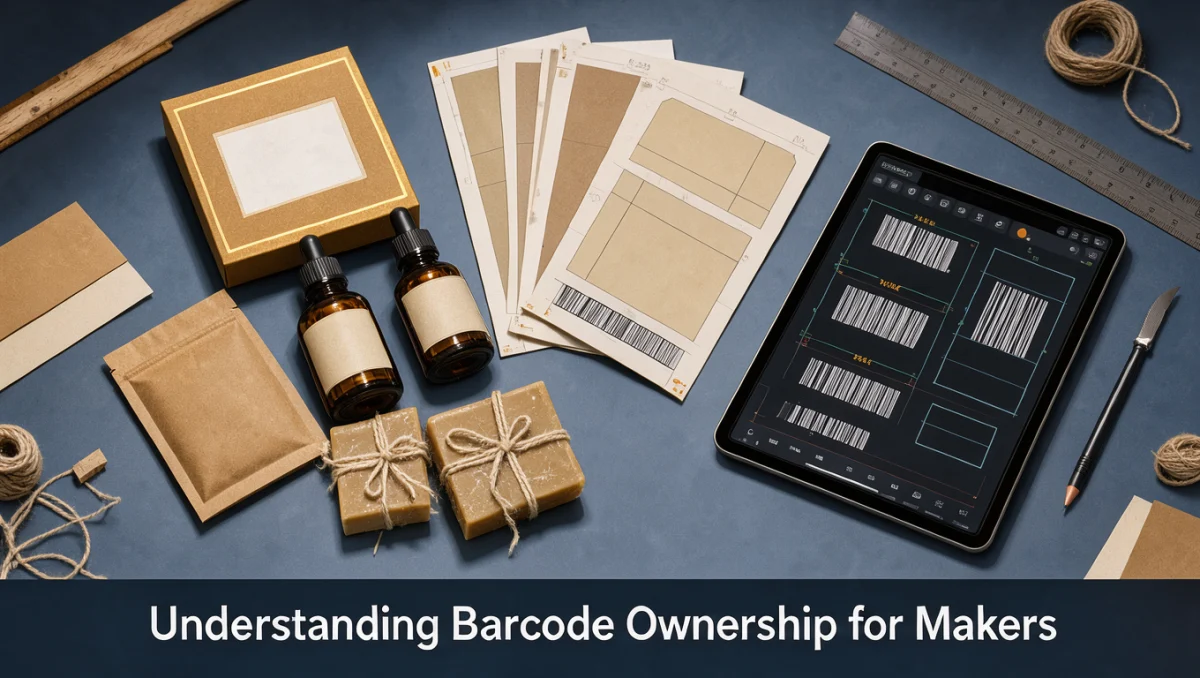
Evaluating barcode resellers involves weighing the speed of procurement against the stringent vendor compliance requirements of major retail ecosystems.
Advantages of Secondary Barcode Acquisition
- Perpetual numerical ownership transfers eliminate ongoing annual renewal fees.
- Production-ready print graphics are delivered alongside numerical sequence batches.
- Rapid asset access accommodates urgent product labeling deadlines.
- Reduces initial operational overhead for early-stage commercial makers.
Limitations and Operational Considerations
- Certain major international department chains require manufacturer-owned prefixes registered in central global registries.
- Central registry databases may display the original prefix holder instead of the secondary brand licensee.
- Retailers using automated global data synchronization networks might reject secondary assignments.
- Buyers must independently verify retailer acceptance policies before printing packaging runs.
Comparing Bar Codes Talk with Competitors
When selecting product identification numbers, businesses typically consider two main pathways: direct licensing from a central registry or purchasing barcodes from independent resellers.
The central global standards organization acts as the primary issuing authority for product identification prefixes worldwide. Registering directly ensures your company name is listed as the authoritative brand licensee in international data synchronization networks. This is often the standard requirement for enterprise brands selling into large hypermarket chains, though it involves recurring renewal fees.
Independent barcode resellers, conversely, transfer historical unassigned numbers that carry no ongoing maintenance costs. For small businesses, local boutiques, and e-commerce storefronts, this approach offers complete numerical ownership without recurring charges. Reviewing vendor compliance guidelines on retailer portals helps determine which pathway your distribution partners prefer.
Who Benefits Most from Bar Codes Talk
Understanding which business profiles align best with secondary barcode transfers ensures smooth distribution without inventory bottlenecks.
Independent Artisans and Boutique Makers
Artisans selling handcrafted goods, cosmetics, candles, or specialty apparel through regional boutiques or personal e-commerce channels find barcode acquisition straightforward. Smaller retailers often rely on local point-of-sale databases, where secondary codes function without issue.
Direct-to-Consumer Brands
Online-first consumer brands operating through dedicated digital storefronts and regional fulfillment centers use secondary barcodes for organized warehouse picking and inventory reconciliation. These operations prioritize reliable numerical tracking over enterprise prefix registry listings.
Organizations Requiring Direct Prefix Directives
Enterprises planning to sell products to major international supermarket chains, healthcare distributors, or large department stores should approach secondary codes with caution. These corporate buyers often enforce automated supplier onboarding protocols that cross-check supplier business licenses against central registry prefix databases.
Selecting the Right Barcode Package
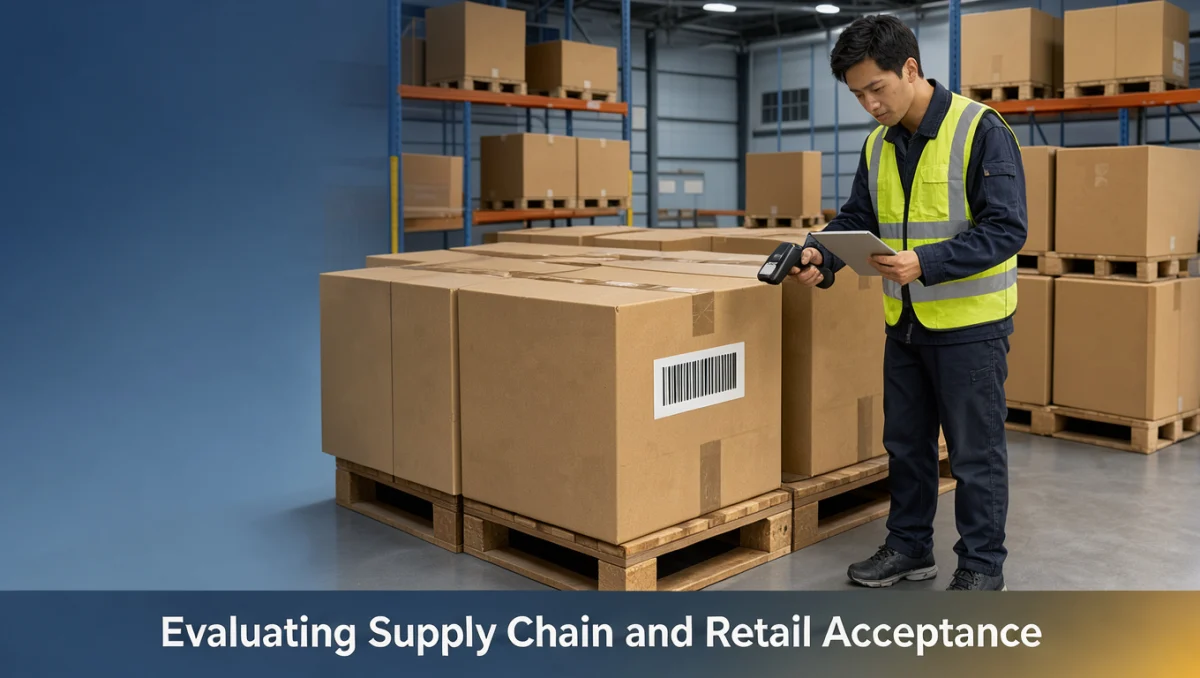
Choosing appropriate barcode allocations requires aligning your product packaging timeline with vendor acceptance parameters.
| What to Check | Why It Matters |
|---|---|
| Retailer Vendor Manual Requirements | Confirms if your retail partners accept secondary transferred codes or demand direct central prefix registration |
| Total Variant Count Across Catalog | Every individual size, shade, formulation, and bundle pack demands a distinct numerical sequence |
| Packaging File Specifications | Ensures delivered barcode EPS or vector artwork matches the technical resolution needed by your printing facility |
| Transfer Certificate Documentation | Provides documentary verification proving clear ownership lineage for distributor reviews |
| Future Catalog Expansion Plans | Purchasing allocations that accommodate future seasonal lines prevents redundant procurement |
Frequently Asked Questions About Barcode Legitimacy
How do retailers verify barcode legitimacy?
Retailers verify legitimacy by scanning the numerical sequence through their inventory database to match the SKU with the physical item. Some enterprise distributors cross-reference central international registry prefixes to ensure the vendor's legal name matches. Checking distributor guidelines before production prevents compliance issues.
What causes barcode scanning failures?
Scanning failures usually stem from graphic printing errors, not numerical invalidity. Poor contrast, inadequate quiet zones, distorted aspect ratios, and curved packaging interfere with scanners. Adhering to standard vector dimensions ensures consistent readability.
Why do major retail chains reject reseller barcodes?
Select corporate retailers use automated global data synchronization networks requiring supplier legal names to match central registry records. When a reseller number shows the original historic owner instead of the current brand, automated systems flag it for rejection. Independent retailers rarely enforce these centralized data checks.
How should businesses calculate total barcode requirements?
Calculate barcode requirements by cataloging every product iteration, including distinct colors, dimensions, and packaging. A garment in three colors and four sizes needs twelve distinct numbers. Planning for future flavor or packaging expansions ensures adequate numerical allocations.
Final Verdict on Bar Codes Talk
Evaluating third-party barcode vendors requires balancing cost management against long-term distribution ambitions. Independent creators, local specialty producers, and direct-to-consumer operations find secondary barcode services a dependable way to label inventory and track stock. However, founders targeting enterprise retail channels must confirm vendor compliance criteria before printing large packaging runs.
For boutique manufacturers, specialty artisans, and private-label e-commerce brands, Bar Codes Talk offers a practical approach to inventory identification. Before purchasing, review your retailer agreements, confirm your catalog variant counts, and inspect the official Bar Codes Talk website to verify current specifications.
To explore additional software evaluations and consumer commerce analyses, visit Best Software Reviews for impartial product guidance. Readers with questions regarding commercial inventory tools are encouraged to reach out to the editorial team or follow us on LinkedIn.