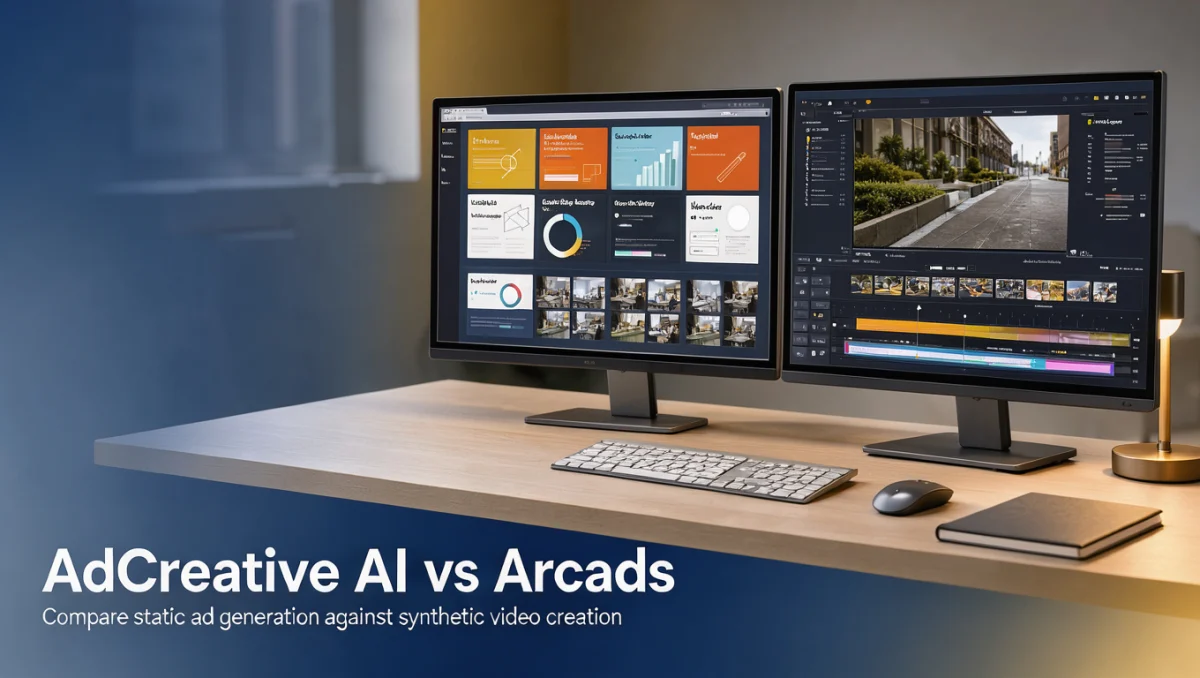
Selecting between AdCreative AI and Arcads signifies a divergence in automated campaign asset creation strategies for 2024. Marketers must differentiate between large-scale graphic banner production and the creation of synthetic presenter videos for social media. At Best Software Reviews, we assess marketing software based on workflow alignment, production requirements, and operational clarity, moving beyond superficial claims.
Identifying your primary campaign format is crucial before committing to either service. Teams running multi-channel display and social feeds often prefer asset generation suites, while those focusing on direct-response video campaigns for platforms like TikTok or Instagram prioritize actor-based presentations. Exploring our comprehensive coverage of Artificial Intelligence tools can provide valuable context on integrating creative automation into modern marketing workflows.
Quick Verdict: AdCreative AI, with an overall score of 7.8/10, is ideal for performance marketers needing rapid production of static banners, ad copy, and multi-format display graphics. It is less suited for teams relying heavily on direct-to-camera video presentations. Arcads caters to video-first performance teams focused on synthetic user-generated content styles.
| Metric | Details |
|---|---|
| BestSoftwareReviews Score | 7.8/10 |
| Ideal For | Marketing teams requiring automated multi-format banner production and ad copy variations. |
| Not Ideal For | Brands exclusively using founder-led video or authentic customer testimonials. |
| Key Strengths | Automated layout generation, ad copy suggestions, and multi-size graphic export capabilities. |
| Pre-Purchase Check | Review export limits, seat allocations, and brand profile limits on the official vendor website. |
Understanding the Core Differences
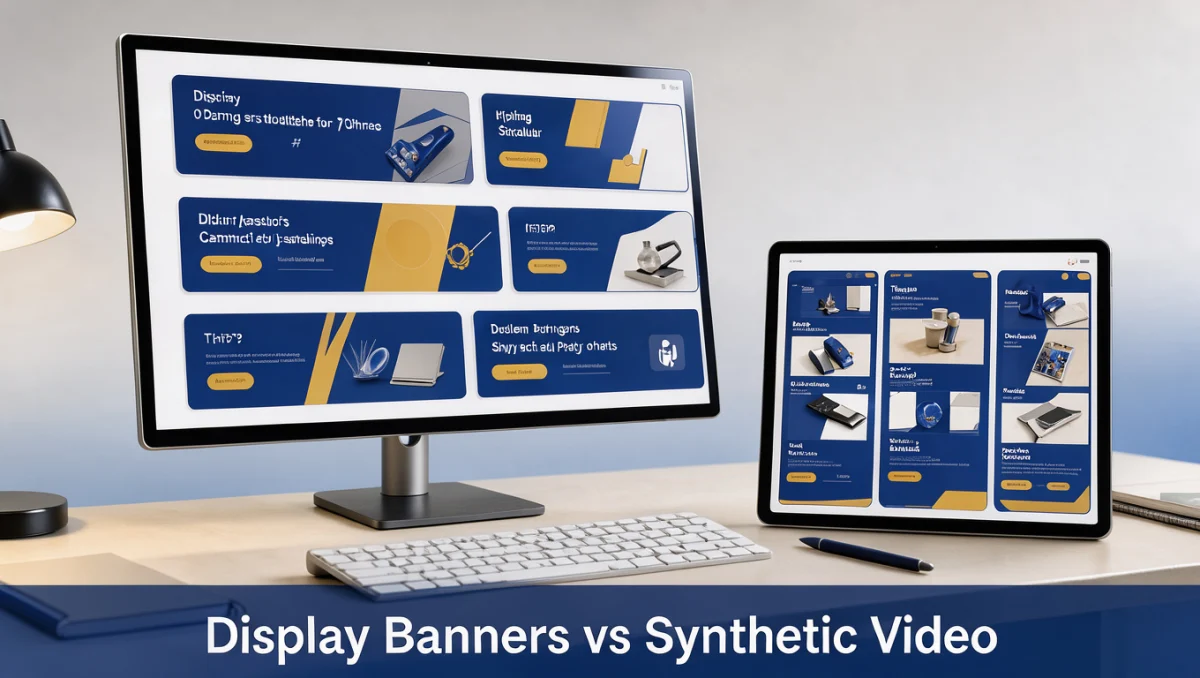
The fundamental distinction between adcreative ai vs arcads lies in their output format and creative intent. AdCreative AI specializes in producing graphic creatives, promotional banners, product backgrounds, and accompanying ad copy across standard social and display dimensions. Its strength is structuring visual elements, headlines, and calls-to-action into conversion-focused layouts.
Conversely, Arcads focuses on generating synthetic video creatives featuring AI-driven actors delivering scripted content. This tool is designed for direct-response video needs where human-like presenters and spoken dialogue are key engagement drivers. The choice between them depends on whether your media budget is allocated to graphic placements or short-form video content feeds.
Key Strengths and Target Audiences
A side-by-side evaluation reveals distinct strengths and operational focus areas for each platform.
| Tool | Best For | Core Strength | Consider If |
|---|---|---|---|
| AdCreative AI | Multi-channel display and social advertisers. | Automated generation of graphic banners and headlines. | Your advertising heavily relies on graphic display and multi-size banners. |
| Arcads | Social media video advertisers. | Synthetic presenter and actor video generation. | Your campaigns depend on face-to-camera short-form video hooks. |
Features and Functionality
AdCreative AI offers tools for generating visual ad assets, social media posts, headlines, and commercial text descriptions. It utilizes brand assets like logos and color palettes to render structured ad creatives in various aspect ratios, including predictive scoring models for creative impact.
Arcads concentrates on synthetic video production. Users input scripts, select digital avatars, and generate video clips simulating user-generated content. If your strategy requires diverse visual layouts for display networks, graphic automation is suitable; if your campaigns demand continuous testing of video hooks, synthetic presenters address that specific need.
User Experience and Setup
Both platforms offer straightforward creation processes but require different preparatory steps. AdCreative AI needs users to define brand guidelines, upload logos, and set color codes before generating graphics. Once configured, asset creation requires minimal manual graphic design expertise.
Arcads requires structured scriptwriting and pacing considerations. Crafting compelling video ads involves drafting hooks, refining calls-to-action, and matching avatar personas to target demographics. Marketers familiar with copywriting will find the workflow accessible, although video pacing and visual synchronization need deliberate experimentation.
Pricing Models and Value Proposition
Subscription models for AI creative software typically vary based on output volume, rendering quotas, or account seats. It's essential to review official pricing pages to understand how each platform meters usage, whether through monthly download credits, video generation minutes, or active project allowances.
Assessing value involves auditing your internal asset consumption. Teams that spend heavily on design agency hours for basic resizing tasks may find graphic generators cost-effective. Conversely, teams conducting high-volume social video tests should calculate the cost of synthetic video generation against hiring freelance content creators.
Integration Capabilities
Workflow efficiency is enhanced when creative software connects directly with advertising managers and storage solutions. Verify current integration capabilities on official platform pages before making commitments, noting whether assets can be published directly to ad accounts or require manual downloads.
Regardless of native connections, both tools can integrate into broader campaign pipelines. Teams often export generated assets into cloud storage, testing spreadsheets, or project management boards before staging campaigns within native advertising networks.
Target Audience Alignment
AdCreative AI is well-suited for performance marketing agencies, e-commerce stores, and growth teams running multi-placement campaigns across search, display, and social platforms. Graphic designers seeking to accelerate repetitive format variations also benefit from its automated layout assembly.
Arcads targets performance media buyers, dropshipping businesses, and direct-to-consumer brands advertising on platforms dominated by vertical video. Teams without in-house video creators or budgets for dedicated on-camera talent find a practical solution for producing human-centric promotional clips.
Customer Support Resources
Buyers should examine the support infrastructure provided by both vendors. Support channels commonly include live chat, email ticketing systems, and searchable knowledge bases detailing asset specifications and usage guides.
Reviewing response times and documentation completeness on official websites helps ensure your creative team avoids production delays during active promotional periods.
Competitive Positioning in the Market
In the creative automation landscape, AdCreative AI competes with tools like Canva and dynamic creative optimization software by emphasizing automated layout production for paid banners, focusing squarely on commercial conversion graphics.
Arcads operates in the specialized synthetic video niche, similar to platforms like HeyGen and Synthesia, but specifically tailors its presentation styles for performance advertising. Understanding this niche positioning clarifies which tool best aligns with your campaign objectives.
Making the Right Choice
The decision between AdCreative AI and Arcads primarily depends on your main advertising channels and media spend distribution. Start by reviewing historical ad spend across your organization. If graphic ads consistently deliver a strong return on ad spend, automated banner engines offer immediate utility.
Follow this checklist when selecting your creative production platform:
- Audit your ad spend distribution between static display banners and vertical video ads.
- Confirm current plan limits, export allowances, and user seat costs on official vendor pricing pages.
- Assess whether your team excels more in visual branding or conversational scriptwriting.
- Determine whether your audience responds better to polished brand visuals or native-style video presenters.
Frequently Asked Questions
How should buyers evaluate asset generation quotas?
Buyers should align their monthly creative testing velocity with vendor credit systems. Review official plan comparison tables to understand how many exports, video minutes, or graphic variations each subscription tier allows, preventing unexpected overage fees.
What skills are needed to operate automated creative platforms?
Basic copywriting skills and an understanding of direct-response marketing principles are essential. Marketers must supply clear input assets, write persuasive copy, and evaluate output quality against brand standards before campaign publication.
How do synthetic video tools complement human creators?
Synthetic video tools primarily serve as rapid testing mechanisms for marketing concepts, dialogue hooks, and script ideas. Many performance teams use AI presenters for exploratory split testing, later investing in human productions once an angle proves successful in driving conversions.
What asset inputs should teams prepare before onboarding?
Marketing teams should organize vector logos, approved color codes, high-resolution product photography, and established brand guidelines. Having structured brand assets ready speeds up workspace setup and ensures generated outputs align with overall brand standards.
Final Assessment
AdCreative AI offers a robust system for high-tempo display and banner creation, while Arcads addresses the specific need for synthetic actor video production. For organizations utilizing both media types, testing each tool based on dedicated campaign channels ensures optimal budget allocation.
| Criterion | Score /10 | Reason |
|---|---|---|
| Features | 8.0/10 | Efficiently generates multi-size display layouts and commercial copy variations. |
| Ease of Use | 8.5/10 | Features a simple visual configuration workflow accessible to non-technical marketers. |
| Pricing and Value | 7.5/10 | Requires ongoing verification of asset quotas against monthly campaign testing volume. |
| Integrations | 7.0/10 | Buyers should confirm current ad platform connection options on the official website. |
| Audience Fit | 8.5/10 | Strong functional alignment for e-commerce brands and multi-channel marketing teams. |
| Support | 7.5/10 | Standard self-help documentation and digital support channels require buyer review. |
| Competitive Position | 7.6/10 | Maintains a distinct focus on conversion banners within the broader creative tool market. |
Overall Score: 7.8/10
For further software assessments and campaign workflow guides, explore Best Software Reviews for objective evaluations. Readers with inquiries about creative automation software can contact our editorial team via our website or follow us on LinkedIn.