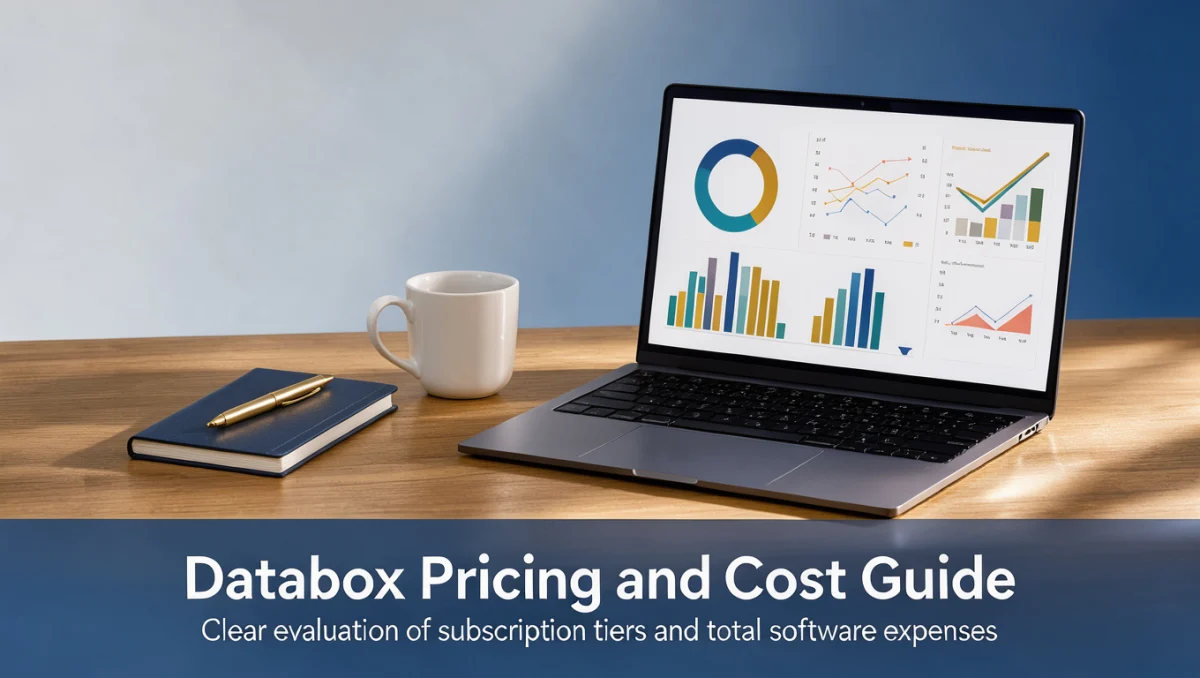
When organizations question is databox free, they are typically seeking to understand the financial commitment involved in leveraging its business intelligence capabilities. This guide aims to clarify the subscription structures, potential add-on costs, and ongoing financial considerations before integrating Databox into your reporting workflows.
We at Best Software Reviews analyze how business intelligence platforms structure their offerings to assist finance teams in effective budgeting. Understanding these costs is crucial to avoid unexpected invoices as data sources grow.
Databox operates on a subscription model. The total cost is determined by active data connections, historical data storage needs, user seats, and data update frequencies. While a trial might be available, growing teams generally face recurring fees as reporting requirements expand.
| Pricing Factor | Details |
|---|---|
| Pricing model | Subscription-based, tiered by usage, data volume, and features. |
| Cost drivers | Connected data sources, user seats, sync frequency, and add-on features. |
| Key cost to verify | Historical data retention policies and connector usage limits. |
| Who needs to pay attention | Agencies managing multiple client accounts and departments with diverse data pipelines. |
How This Guide Was Developed
This guide combines our understanding of Databox's functionality with the Best Software Reviews evaluation framework. Pricing and feature details can change, so it's always recommended to check the official Databox website for the most current information. This content was drafted with AI assistance and reviewed by our editorial team.
Understanding Databox's Pricing Mechanics
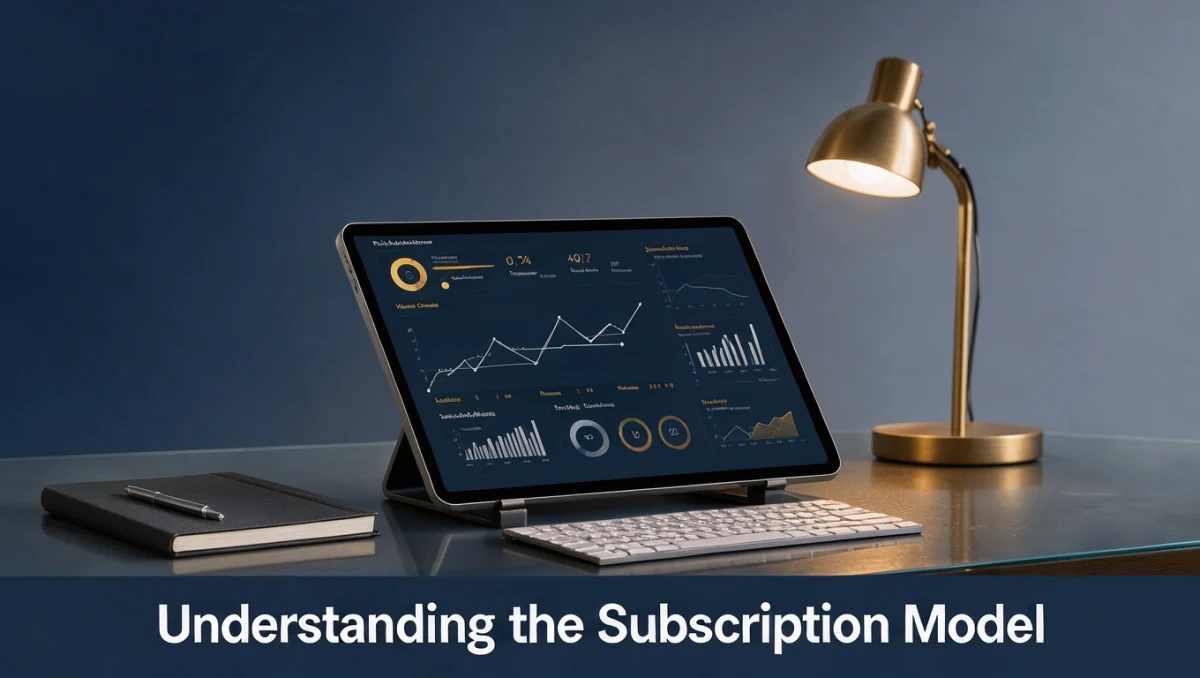
Databox offers centralized metric tracking and dashboard visualization, pulling key performance indicators from various applications. Business intelligence tools commonly use tiered subscription plans, allowing businesses to start with basic tracking and scale up as their reporting needs become more complex.
The landscape of business analytics and Artificial Intelligence reporting tools is constantly evolving. To determine if entry-level plans are free or require immediate payment, review the current plan details on the official Databox pricing page.
- Plan structures usually depend on the number of connected data sources and dashboards needed.
- Access levels often reflect the scale of operations, differentiating between individual monitoring and multi-client agency management.
- Subscription plans typically offer options for monthly recurring payments or annual commitments.
Factors Influencing Your Overall Expenses
The actual cost of using dashboard software often exceeds the advertised base price. Analytics platforms frequently separate core visualization features from data connection capabilities, meaning resource usage directly impacts the final bill.
It's advisable to estimate potential additional charges before integrating all your corporate data sources. Many subscription services price specialized features separately, requiring careful review before implementation.
- Connected Sources: Each integrated third-party platform uses connector capacity. Exceeding the base allowance can lead to extra recurring charges.
- User Seats: Depending on your team size, administrative access, analyst workspaces, and read-only viewer privileges might require purchasing individual seats.
- Data Refresh Frequency: More frequent automated data synchronization often falls under higher-tier plans or requires specific add-ons.
- Historical Data Storage: Retaining long-term records for comparative analysis may necessitate advanced data storage solutions.
Estimating Your Actual Investment
To accurately gauge the true cost of business intelligence tools, look beyond the basic listed rates. Use a planning formula: estimated cost = base subscription + additional user seats + connector add-ons + historical storage + setup assistance.
Businesses with varied operational models face different budget considerations when scaling their performance dashboards.
| Business Profile | Budgetary Focus | Key Cost Considerations |
|---|---|---|
| Solo Practitioner | Basic tracking for core marketing channels. | Minimal user overhead, potential need for specific third-party connectors. |
| Growing Company | Cross-departmental executive visibility. | Additional user seats, frequent sync intervals, multi-channel metrics. |
| Multi-Client Consultancy | Client presentation dashboards and custom reports. | Extensive connector allowances, separate client workspaces, scheduled white-label delivery. |
Pre-Payment Checklist
Before submitting payment information on any software platform, carefully review the terms of service to avoid unexpected limitations. Tier restrictions can impact dashboard creation or user collaboration.
Verify each point directly with the vendor's official documentation to ensure your chosen plan meets your reporting objectives.
| Item to Check on Pricing Page | Importance | Who It Matters Most For |
|---|---|---|
| Connector Allowances | Exceeding included integration limits may result in tier upgrades or add-on fees. | Agencies and businesses integrating numerous applications. |
| User Seat Permissions | Sharing logins poses security risks, while individual seats add recurring costs. | Collaborative teams and external stakeholders. |
| Data Synchronization Cadence | Delayed data refreshes can impact real-time decision-making during active campaigns. | Performance marketers and sales managers. |
| Historical Data Limits | Short retention periods may hinder year-over-year progress reporting. | Executive teams planning strategic reviews. |
Matching Plans to Business Needs
Selecting the right software tier involves aligning reporting needs with operational capacity. Purchasing more than you need can strain budgets, while choosing an inadequate tier may lead to bottlenecks.
Consider these operational profiles to determine the best fit for your immediate reporting roadmap:
- Foundational Tier: Ideal for independent consultants needing to monitor key performance indicators across a few primary services without complex team management.
- Mid-Tier Collaborative: Suitable for growing internal marketing or sales teams requiring shared scorecards, custom calculations, and multi-user access.
- Advanced Agency Tier: Essential for service providers managing multiple client brands who need segregated workspaces, white-label branding, and audit trails.
Strategies for Cost Optimization
Effective management of analytics subscriptions ensures that software spending yields measurable returns. Many organizations pay for unused data connections and licenses that don't provide diagnostic value.
Implementing regular administrative reviews can help maintain lean operational costs across your reporting stack.
- Quarterly audit connected data sources and disconnect redundant or inactive channels to stay within base tier limits.
- Enforce strict access control policies, assigning viewing rights only to team members who actively use executive dashboards.
- Standardize dashboard templates across departments to prevent the creation of duplicate visualization boards.
- Consolidate metrics before ingestion, using summary numbers for dashboards instead of resource-intensive raw transaction tables.
Frequently Asked Questions
What occurs when metric quotas are reached?
When an account hits its maximum metric or connector limit, platforms typically prompt administrators to upgrade their plan or purchase additional data blocks. Tracking may pause until capacity is increased, so monitor usage limits on the Databox account management portal.
Should businesses opt for annual billing?
Annual billing agreements often offer a discount compared to monthly payments for business intelligence platforms. However, smaller businesses with variable needs may benefit from starting with month-to-month billing until their reporting cadence, connector counts, and administrative routines stabilize.
Are data source connectors billed separately?
Connector packaging varies among providers. Some include a basic quantity in the subscription, while others charge for incremental connections. Review the official plan comparison table to see if your required integrations count towards your base allocation or incur separate charges.
When is it time to upgrade a dashboard subscription?
Upgrades become necessary when team collaboration demands distinct permission roles, client reporting requires custom white-label deliverables, or historical reviews need wider reporting windows than entry tiers allow. Monitoring these functional milestones helps in making deliberate upgrades.
The Bottom Line
To determine your total financial commitment with Databox, examine your data connector needs, user seat requirements, and reporting cadence on the official Databox platform. While initial access allows for testing metric aggregation, comprehensive enterprise reporting requires careful planning around data volume and organizational scale.
Independent users can manage expenses by focusing on primary metrics, whereas multi-client agencies need to budget for supplemental connector allowances and workspace controls. Confirming all terms on the official pricing page helps ensure your organization deploys business intelligence effectively without unexpected subscription changes. For questions about software selection, reach out via our contact page or follow Best Software Reviews on LinkedIn for updates.