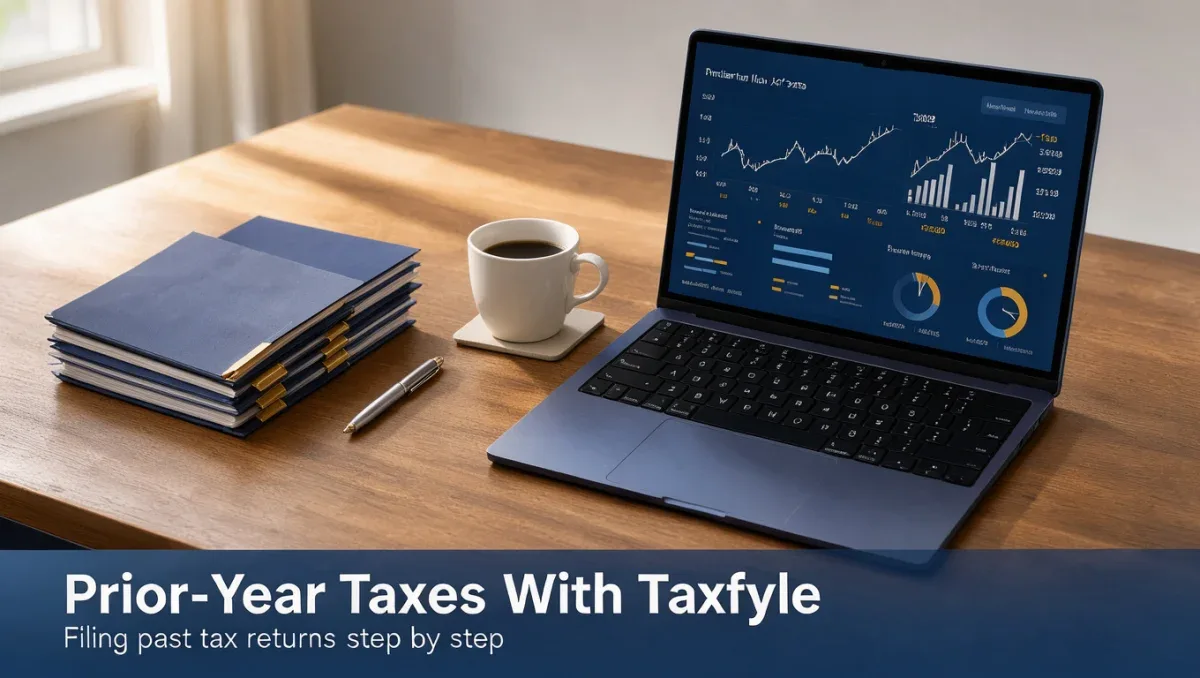
Revisiting and filing prior-year tax returns is essential for taxpayers who have missed deadlines. The process involves meticulous record-keeping and professional assistance to ensure accuracy and compliance. This guide will walk you through how to file prior-year tax returns with Taxfyle, making the often daunting task manageable.
Essential Preparations Before Filing Back Taxes
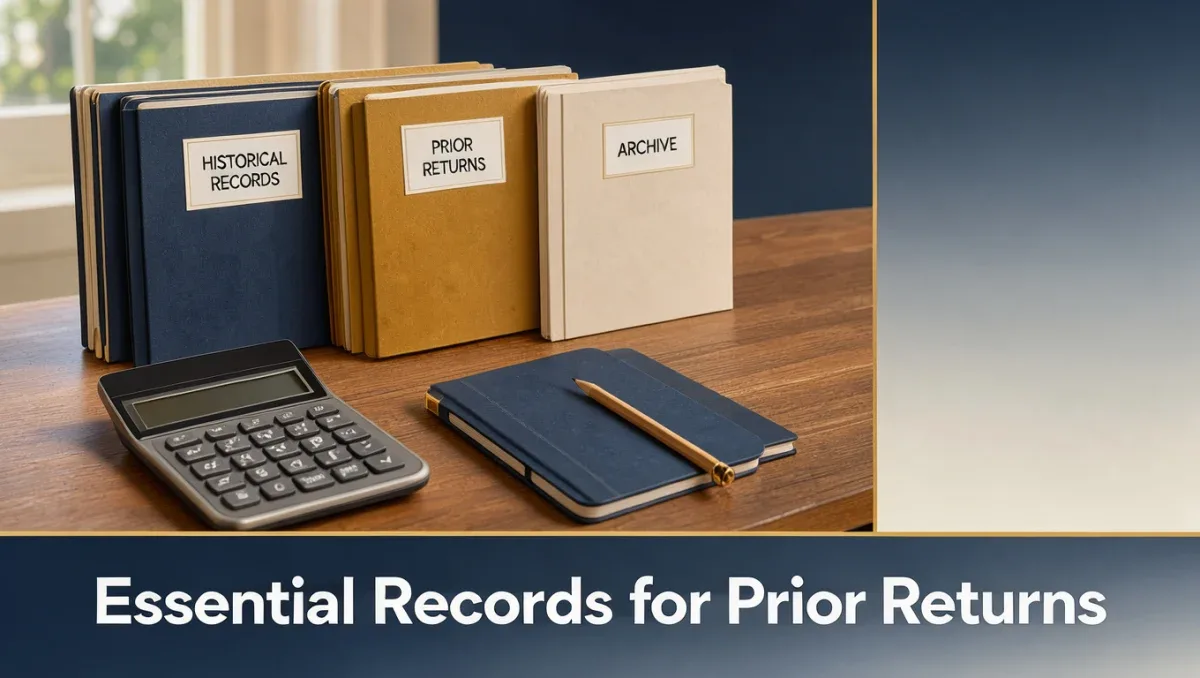
To successfully file previous tax years, compiling all relevant financial documentation is the crucial first step. This ensures that when you engage with a tax professional, they have a complete picture of your financial history for each unfiled period. Having organized records prevents delays and potential errors in the filing process.
- Compile all income statements, including W-2s, 1099 forms, and dividend summaries for past years.
- Gather business records such as invoices, merchant statements, and bank summaries if you are self-employed.
- Collect documentation for deductions, like property tax forms, mortgage interest statements, and charitable donation receipts.
- Keep copies of any official correspondence received from tax authorities regarding previous filings or balances.
- Prepare identification documents, Social Security details, and direct deposit information if expecting refunds.
- Ensure your current Accounting setup is clear to avoid missing any periods.
Streamlined Workflow for Filing Previous Tax Years
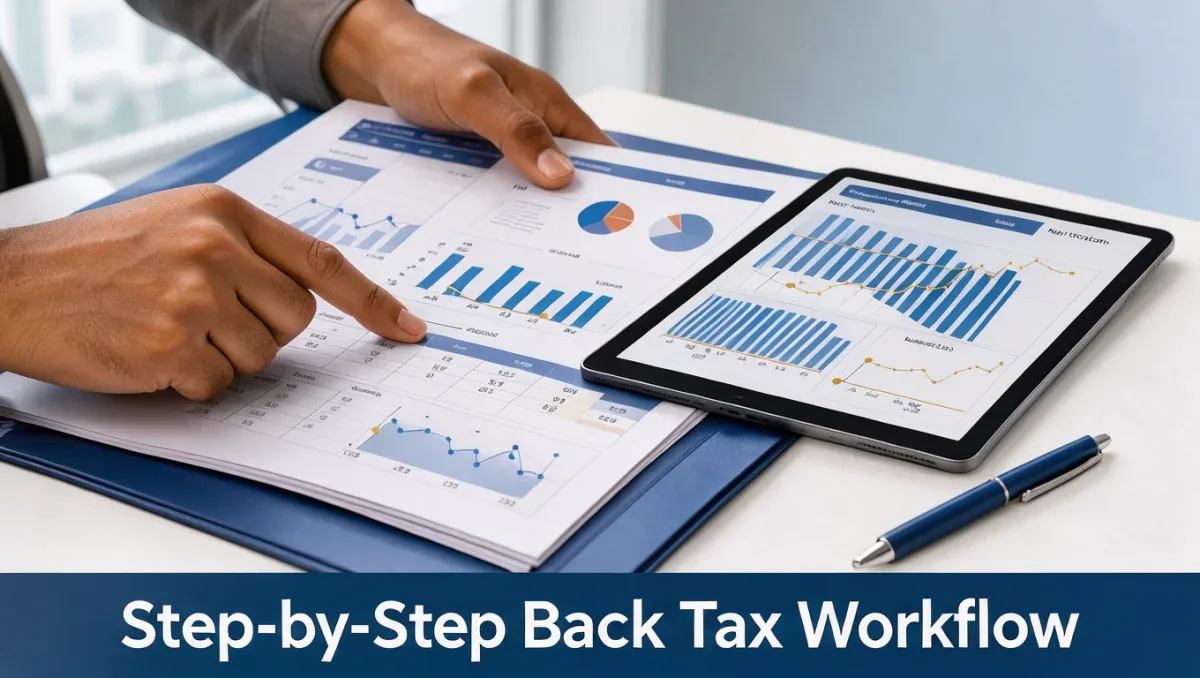
Understanding the sequential process is key to navigating the filing of back taxes efficiently. Taxfyle's platform is designed to connect you with qualified professionals who will handle the complexities of preparing and submitting your returns. Follow these steps for a smooth experience:
- Identify Applicable Tax Years: Determine precisely which tax years are unfiled. You can obtain tax transcripts or review past notices from tax agencies for confirmation.
- Initiate an Engagement Request: On the Taxfyle platform, provide your basic tax information and filing status. This helps match you with an appropriate CPA or Enrolled Agent.
- Upload Historical Documents: Securely upload all income statements, expense records, and relevant notices for each unfiled year into the designated areas on the platform.
- Consult with Your Assigned Professional: Discuss any missing documentation, potential deductions, state-specific requirements, or significant financial events with your tax preparer.
- Review Draft Returns Carefully: Thoroughly examine the prepared tax schedules, income figures, and claimed deductions to ensure they accurately reflect your uploaded documentation.
- Authorize Final Submission: Once satisfied, provide digital authorization for your preparer to submit the returns. Be aware that some older tax years may require paper filing instead of electronic transmission, as per official Taxfyle guidelines.
Building Sustainable Tax Record Habits
After addressing past filings, establishing a routine for current and future tax years is vital to prevent recurrence. Consistent organization makes tax preparation less stressful and more predictable.
| Timeframe | Recommended Routine | Importance |
|---|---|---|
| Week 1 | Consolidate past year filings and receipts. | Creates proof of submission and guards against duplicate notices. |
| Week 2 | Categorize current year income and expenses. | Reduces end-of-year document pile-up and simplifies upcoming filings. |
| Week 3 | Review estimated tax payments with an advisor. | Helps avoid underpayment penalties for future tax obligations. |
| Week 4 | Archive digital copies of all returns securely. | Provides easy access for financial applications like loans or audits. |
Common Pitfalls and How to Sidestep Them
Navigating the requirements for filing delinquent tax forms can be complex. Avoiding common mistakes ensures your submissions are compliant and processed without undue delays.
- Incorrect Filing Order: Always address earlier unfiled years before more recent ones to correctly manage carryover losses and deductions.
- Ignoring Reported Income: Tax agencies cross-reference reported income. Failing to include all income forms can lead to automated adjustment notices.
- Estimating Expenses Without Proof: Substantiate all past deductions with verifiable financial records, such as bank statements, to avoid potential audit recalculations.
- Overlooking State Taxes: Federal filings do not cover state obligations. Verify and file separate state returns for each delinquent period if required.
- Lack of Mailing Proof: For required paper filings, always use certified mail with tracking to have verifiable evidence of timely submission.
When Professional Intervention is Necessary
While Taxfyle streamlines connecting with tax experts, some situations require specialized advice or direct intervention from tax authorities.
- Significant Tax Debt: If your anticipated tax liability is substantial, consult a specialist about installment agreements or settlement options.
- Complex Business Structures: Partnerships and corporations have unique late-filing rules requiring tailored legal and tax assessments.
- Active Tax Liens or Levies: If facing wage garnishments or asset liens, seek immediate guidance from an enrolled agent or tax attorney.
- Multi-State Residency Issues: Disputes over residency across different states during unfiled years necessitate professional apportionment analysis.
Frequently Asked Questions
How far back can unfiled tax returns be completed?
Generally, taxpayers can file for multiple past years. However, claiming refunds is typically limited to three years from the original due date. Always confirm specific limitations on the official Taxfyle website.
Why do some prior-year returns require paper mailing?
Tax processing systems have cutoffs for electronic filing. Older tax years often necessitate printing, manual signatures, and postal dispatch with tracking.
What if documentation for an unfiled year is lost?
Request a wage and income transcript from tax authorities. This provides reported income details from third parties, helping your specialist reconstruct your earnings.
Does filing delinquent returns trigger an audit?
Filing delinquent returns resolves non-filing status. Agencies prioritize compliance and accuracy, generally not penalizing voluntary efforts to rectify past omissions.
Should self-employed professionals use specialized help for back taxes?
Yes, self-employed individuals face complexities like self-employment taxes and deduction substantiation. An experienced accountant ensures all eligible deductions are claimed correctly according to historical rules.
Concluding Your Prior-Year Tax Filings
Bringing your tax filings up to date alleviates financial pressure and secures your financial future. Take these final steps to resolve your outstanding obligations:
- Obtain official tax transcripts to confirm all unfiled periods and balances.
- Organize wage statements, deduction summaries, and notices into annual folders.
- Initiate your project request on the platform and discuss scope details with your matched tax expert.
- Safeguard proof of submission and mailing receipts with your permanent records.
For further assistance or questions about choosing the right Best Software Reviews, please visit our contact page or follow us on LinkedIn.