For logistics professionals in 2026, evaluating the newest truckstop load board new features is crucial for optimizing freight matching and capacity discovery. This analysis helps transportation teams make informed decisions about essential digital dispatch tools by examining load density, negotiation tools, and account management options. We review these capabilities to guide businesses in their subscription choices.
When assessing recent platform additions, look beyond promotional materials. It's essential to review contract details, user allocations, and search functionalities directly on the official Truckstop site to ensure alignment with your daily operations.
Understanding Truckstop's Functionality

Truckstop serves as a digital marketplace connecting commercial truckload carriers with freight brokers and shippers across North America. This platform is designed to reduce empty miles for carriers and provide intermediaries with access to qualified freight capacity. Independent owner-operators, fleet dispatchers, and third-party logistics coordinators utilize these freight platforms to build partnerships, verify load legitimacy, and analyze lane activity. Integrating such a platform directly supports your overall Collaboration & Productivity framework.
Users range from single-truck operations seeking backhauls to large brokerages managing numerous daily shipments. Understanding your typical freight lanes geographically is key to determining if national marketplace listings meet your recurring transit needs.
Key Capabilities and Updates
Advanced Freight Searching and Filtering
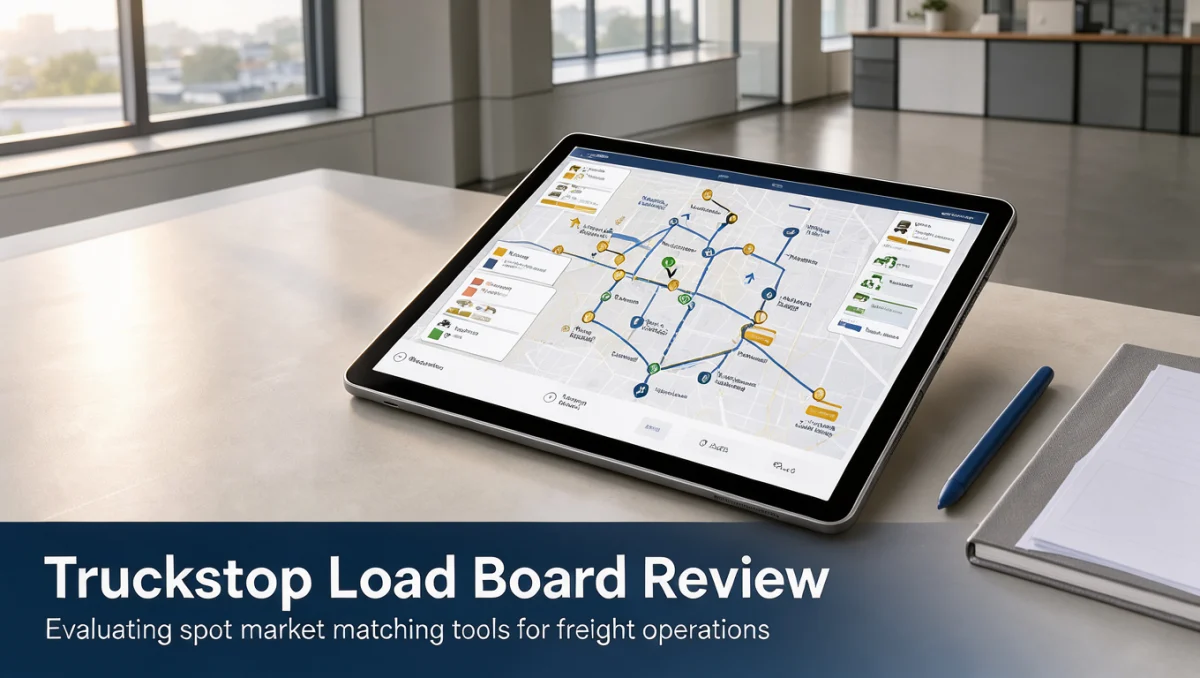
Effective freight searching demands precise filtering based on trailer type, origin, deadhead mileage, and destination. Dispatchers can filter by dry van, refrigerated, flatbed, or specialized configurations to ensure proper equipment matching. Automated notifications for specific lanes allow immediate responses to new cargo posts.
Efficient Load Posting and Capacity Sourcing
Brokers and shippers detail shipment specifics, pickup dates, weights, commodities, and lane requirements. These listings enable motor carriers to view details and submit bids. Carriers can also announce available empty equipment, allowing brokers to proactively secure capacity.
Broker Creditworthiness and Verification
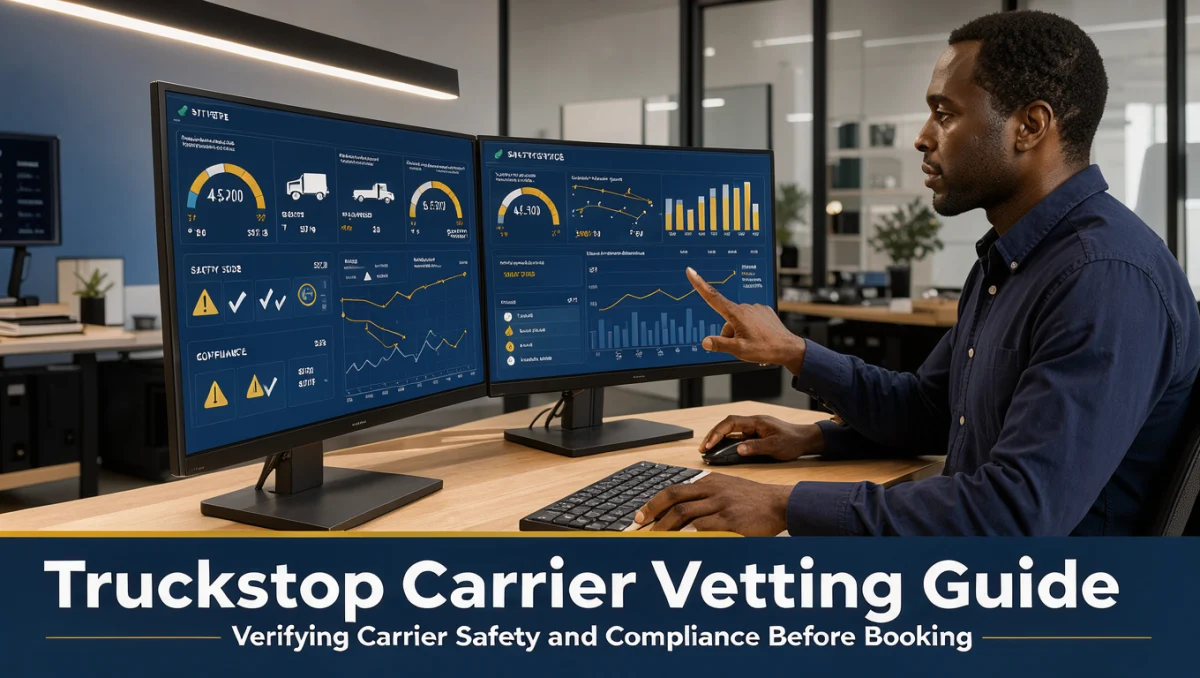
Managing financial risk with new partners on spot freight boards is vital. Load board platforms offer credit scores, average payment days, and surety bond verification. Reviewing broker credit metrics within search results empowers motor carriers to make informed financial decisions before confirming rates.
Rate Benchmarking and Negotiation Support
Spot market negotiations are influenced by current supply and demand across different corridors. Software platforms provide average lane rate data and market density indicators. Dispatchers use these benchmarks to assess offer fairness and negotiate hauling rates effectively.
User Experience and Learning Curve
Load board software must present data clearly for quick evaluation of numerous freight posts. Fast screen updates, legible maps, and logical search filters are essential to prevent bottlenecks during busy booking periods. New dispatchers typically adapt quickly to search syntax, abbreviations, and lane calculations. Web interfaces often use structured grids for sorting listings by rate or posting age. Verify navigation workflows on the official truckstop load board new features site to ensure swift team adoption.
Advantages and Disadvantages
Pros
- Extensive coverage of freight lanes across various trailer types and regions.
- Integrated broker credit information to assess payment reliability.
- Direct search filters for efficient deadhead mileage and delivery time filtering.
- Established network of freight brokers and motor carriers.
Cons
- Subscription costs can increase for small fleets needing multiple users.
- Data visibility may depend on subscription tiers; verification is recommended.
- High competition on spot boards means quick coverage of lucrative loads.
Truckstop Versus Competitors
When comparing freight matching software, alternatives like DAT One offer similar services but with distinct market focuses. Truckstop has historically catered to flatbed, specialized, and heavy-haul sectors, alongside general freight. DAT One often emphasizes dry van and temperature-controlled spot freight. Businesses should assess their primary equipment needs to choose the most suitable platform. Explore objective frameworks for reviewing logistics tools on Best Software Reviews.
Target Audience for Truckstop
Owner-Operators and Solo Carriers
Independent operators needing immediate spot market loads benefit from reliable filtering and broker payment data, helping to secure profitable backhauls and maintain predictable cash flow.
Fleet Dispatchers
Dispatchers managing multiple vehicles require rapid multi-tab searching, lane alerts, and equipment posting tools to secure contiguous loads for regional lanes.
Freight Brokerages and 3PLs
Property brokers seeking consistent capacity discovery utilize national marketplaces to find qualified carriers, efficiently posting shipments and confirming carrier credentials.
Selecting the Right Subscription Plan
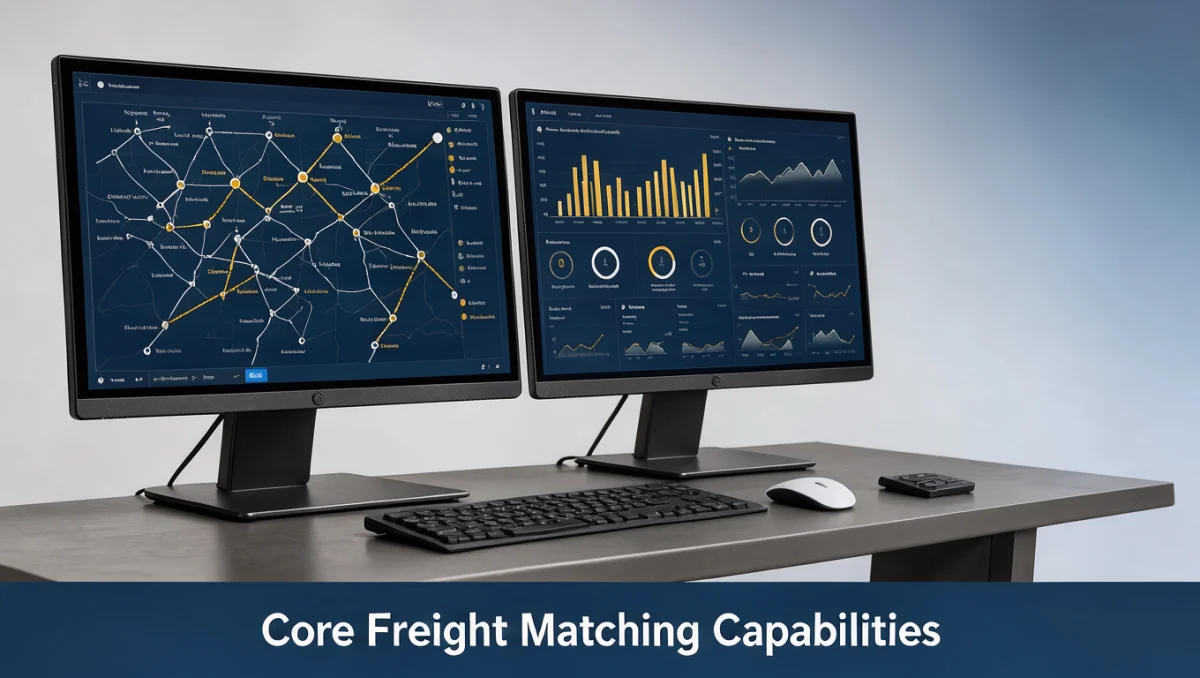
Choosing a plan involves matching your operational needs with official plan specifications. Key factors include the number of user seats for your dispatch team, access to market rate data for negotiations, real-time notification limits for timely bids, and credit lookup allocations for verifying broker payment history.
Frequently Asked Questions
When is an advanced load board tier necessary?
Advanced subscriptions are needed when basic searching doesn't meet dispatch volume demands. Teams requiring automated alerts, historical rate benchmarks, and detailed credit reporting should compare tiers on the official Truckstop site.
What additional costs should carriers anticipate?
Beyond load board fees, carriers should budget for ELD software, factoring charges, insurance, and fuel card management. Comprehensive transportation management requires budgeting for related operational tools.
Should new carriers consult experienced dispatchers?
Seeking advice from experienced professionals helps new operators understand realistic lane volumes and seasonal demand, avoiding unnecessary software costs.
How does lane rate data affect negotiations?
Market rate metrics provide historical benchmarks for specific corridors, enabling dispatchers to counter low offers and protect operating margins.
Final Assessment
Truckstop remains a practical freight matching platform for navigating the North American spot market. Motor carriers and brokers seeking balanced opportunities and steady equipment access will find dependable value, provided they verify plan features on the official website before purchasing.