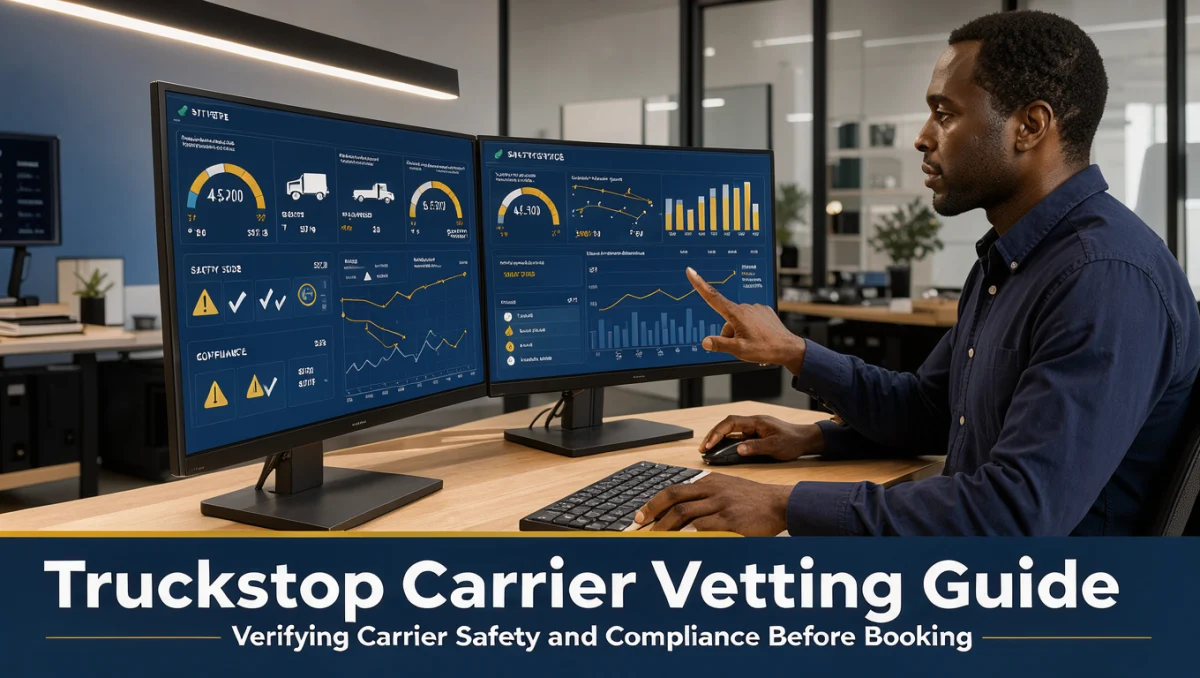
Freight intermediaries face constant challenges in verifying the safety records and insurance credentials of motor carriers. This process is crucial to prevent fraud, double brokering, and ensure compliance. A robust truckstop load board vet carriers system is vital for protecting shippers and maintaining operational integrity within logistics networks.
Understanding Carrier Verification Needs
For freight brokerages operating in the spot market, verifying partner credentials is non-negotiable. It safeguards against cargo damage, transit delays, and potential legal liabilities. Key aspects to examine include access to federal safety registries, validation of insurance certificates, and identity cross-checks. Balancing speed with thoroughness is essential for maintaining transportation margins and efficient carrier onboarding.
The truckstop load board vet carriers platform excels by offering structured monitoring workflows and integrated compliance information. It is particularly beneficial for freight brokerages and logistics teams that require systematic checks alongside their load posting activities.
Core Features for Vetting Carriers
Authority and Operating Status Verification
Ensuring a motor carrier holds active operating authority from federal regulators is the first step. Verification tools connect dispatch teams with federal registry data to confirm active status and flag any administrative revocations. Checking the duration of a carrier's registration also adds a layer of risk mitigation, as newer entities often undergo more rigorous screening.
Insurance and Certificate Monitoring
Insurance verification centralizes critical documents like commercial auto liability and cargo policies. Risk teams must confirm that policies are active, issued by authorized underwriters, and meet contractually agreed-upon coverage limits. Automated alerts notify dispatchers of policy lapses or significant changes, preventing operations with uninsured carriers.
Safety Scores and Inspection Records
Analyzing safety records involves aggregating federal roadside inspection data, driver violation histories, and vehicle crash reports. Logistics coordinators use these indicators to identify adverse safety trends and mitigate risks before booking equipment. This helps in excluding high-risk carriers and preventing potential negligent hiring claims.
Identity Verification and Fraud Prevention
Advanced identity verification workflows cross-reference contact details, phone numbers, and banking information against established carrier registration data. Fraud detection algorithms can highlight discrepancies, alerting brokers to potential identity theft or unauthorized re-brokering schemes. Verifying authentic dispatcher credentials is a key defense against fraudulent intermediaries intercepting shipments.
Workflow Efficiency and Ease of Use
Dispatch workflows demand software that presents carrier compliance information clearly and without slowing down the freight booking process. An intuitive interface should display operating status alerts, safety flags, and insurance confirmations directly within carrier search results. This streamlined approach simplifies the process for dispatchers handling time-sensitive freight.
Advantages and Limitations of Truckstop Vetting
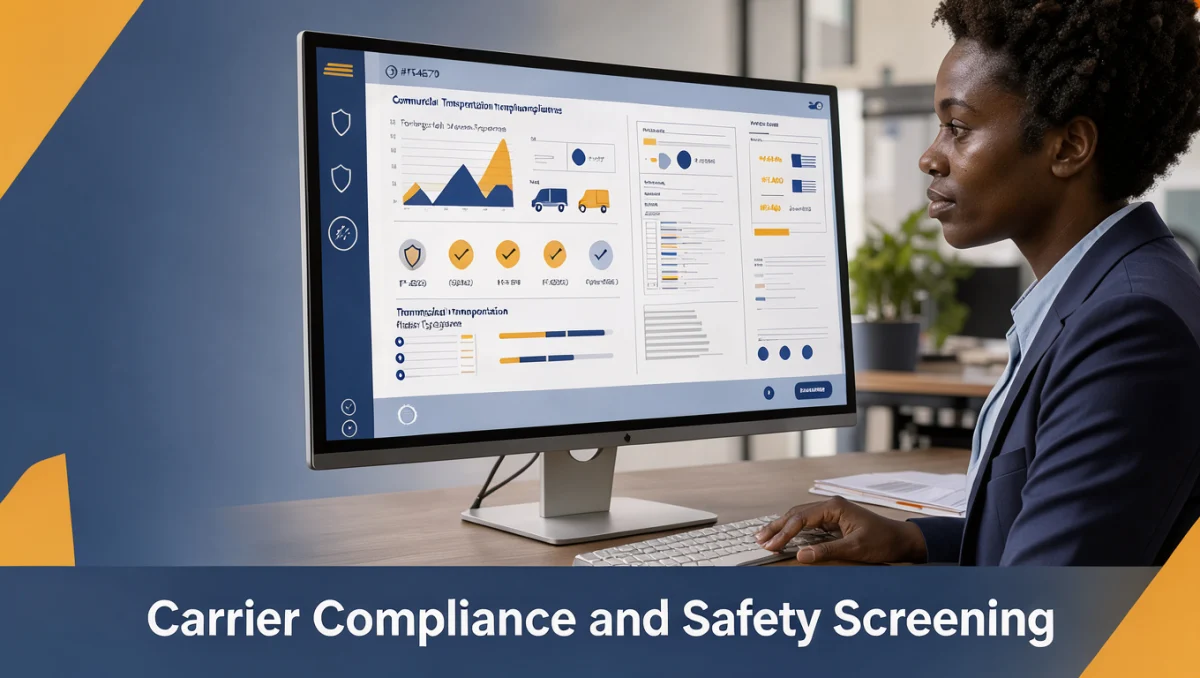
- Centralized Data: Consolidates safety metrics and operating records, eliminating the need to query separate government databases.
- Automated Alerts: Provides immediate notifications for expired insurance or suspended operating authorities.
- Standardized Screening: Reduces human error by ensuring all dispatchers follow identical qualification rules.
- Audit Trails: Offers verifiable logs to demonstrate compliance screening occurred prior to load tendering.
However, detailed compliance modules may require separate subscription upgrades. External certificate verification processes can sometimes experience delays, and relying solely on software indicators should not replace direct telephone confirmation with carrier offices.
Truckstop vs. Competitors
Compared to platforms like DAT One, which focuses on broad equipment liquidity and rate analytics, Truckstop distinguishes itself with its emphasis on structured freight negotiation, detailed carrier onboarding, and specialized compliance verification features. Brokerages prioritizing rigorous compliance checks and workflow safeguards often favor Truckstop's approach. Understanding whether broad equipment volume or specialized carrier risk screening best fits operational priorities is key when comparing these platforms.
Who Benefits Most from Truckstop Vetting?
Growing Freight Brokerages
Expanding brokerages with multiple dispatch desks benefit from centralized compliance controls, ensuring consistent risk assessment across all transactions.
High-Value and Specialized Freight Intermediaries
Those handling temperature-controlled goods, hazardous materials, or high-value machinery require exhaustive carrier qualifications, which Truckstop's tools facilitate.
Independent Dispatchers and Micro-Brokers
Lean operations can save significant time by using consolidated verification dashboards that eliminate manual database searches, maintaining professional risk control standards.
Choosing the Right Plan
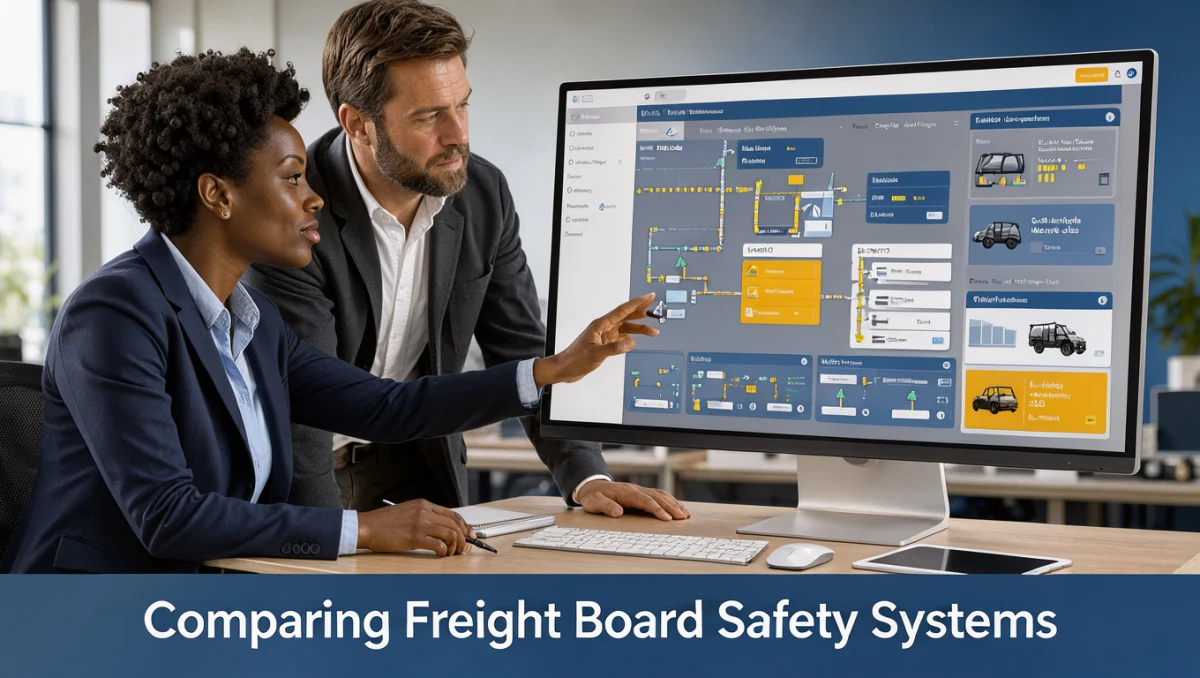
Selecting the correct transportation software tier involves matching dispatch desk needs with available screening tools. Key factors to check include compliance screening inclusions, insurance monitoring frequency, multi-user allocations, carrier identity verification tools, and audit reporting exports. These details are crucial for effective freight risk management.
Frequently Asked Questions
How do freight brokerages confirm carrier authority status?
Brokerages confirm active operating status by cross-referencing carrier identification codes against federal transportation registry databases, often integrated directly into load board search results.
What should logistics teams inspect beyond software flags?
Teams should verify dispatcher phone numbers against corporate filings, confirm certificate filings directly with underwriters, and conduct verbal contact verifications to prevent impersonation.
Why is continuous insurance monitoring critical?
Insurance policies can lapse or change; continuous monitoring alerts dispatchers to expired coverage, preventing operations with uninsured equipment.
How can coordinators verify a carrier isn't double brokering?
Combating double brokering involves confirming equipment ownership, inspecting operating longevity, and auditing dispatch contact information using tools that verify authentic operational ownership.
Final Verdict
Operating a sustainable freight brokerage requires balancing swift equipment procurement with comprehensive carrier safety verification. Truckstop offers disciplined compliance screening, regulatory data integration, and structured identity verification tools to counteract freight fraud. For freight brokerages managing regular spot market freight, implementing these structured carrier qualification workflows is essential to secure operations. We encourage users to truckstop load board vet carriers on the official Truckstop website to establish an effective risk prevention strategy.
See More Collaboration & Productivity · Best Software Reviews