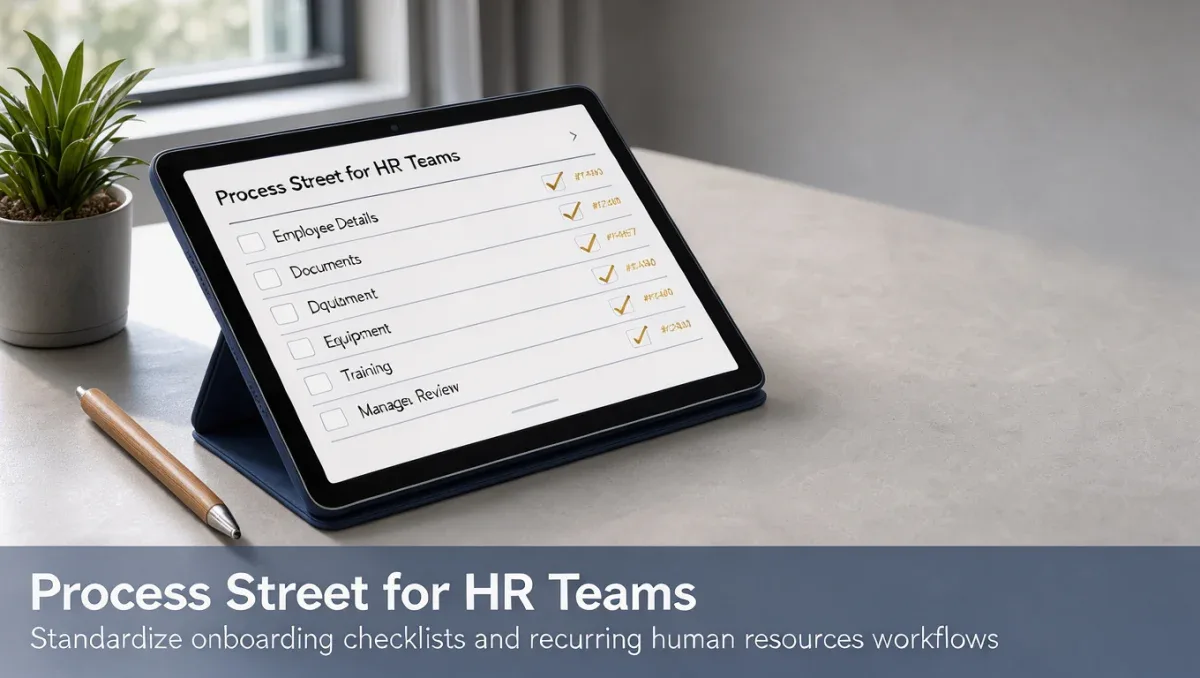
Process Street provides a structured operational framework for human resources departments, designed to standardize recurring tasks such as employee onboarding, offboarding, and compliance tracking. Evaluating this process street for hr teams solution helps leaders identify if checklist-driven execution can resolve coordination bottlenecks, especially within growing organizations.
At Best Software Reviews, our team focuses on practical workplace software decisions. We assess operational tools through hands-on analysis, moving beyond promotional claims. This review details the platform's capabilities, identifies limitations, and offers guidance for people operations specialists in 2026.
Quick Verdict: Process Street achieves a score of 8.1/10. It is ideal for HR departments that require structured checklists and standardized employee handoffs. It is less suitable for teams seeking a comprehensive HR information system or those needing to track unstructured, ad-hoc tasks without defined procedures.
| Evaluation Aspect | Details |
|---|---|
| Best Software Reviews Score | 8.1/10 |
| Ideal For | HR teams standardizing onboarding, offboarding, and compliance checklists |
| Not Ideal For | Teams needing a full HRIS, payroll, or unstructured task tracking |
| Key Strengths | Procedural workflows, repeatable activity tracking, standardized handoffs |
| Before You Buy | Confirm subscription tiers, user limits, and permissions on the official Process Street pricing page |
Streamlining HR Operations with Checklists
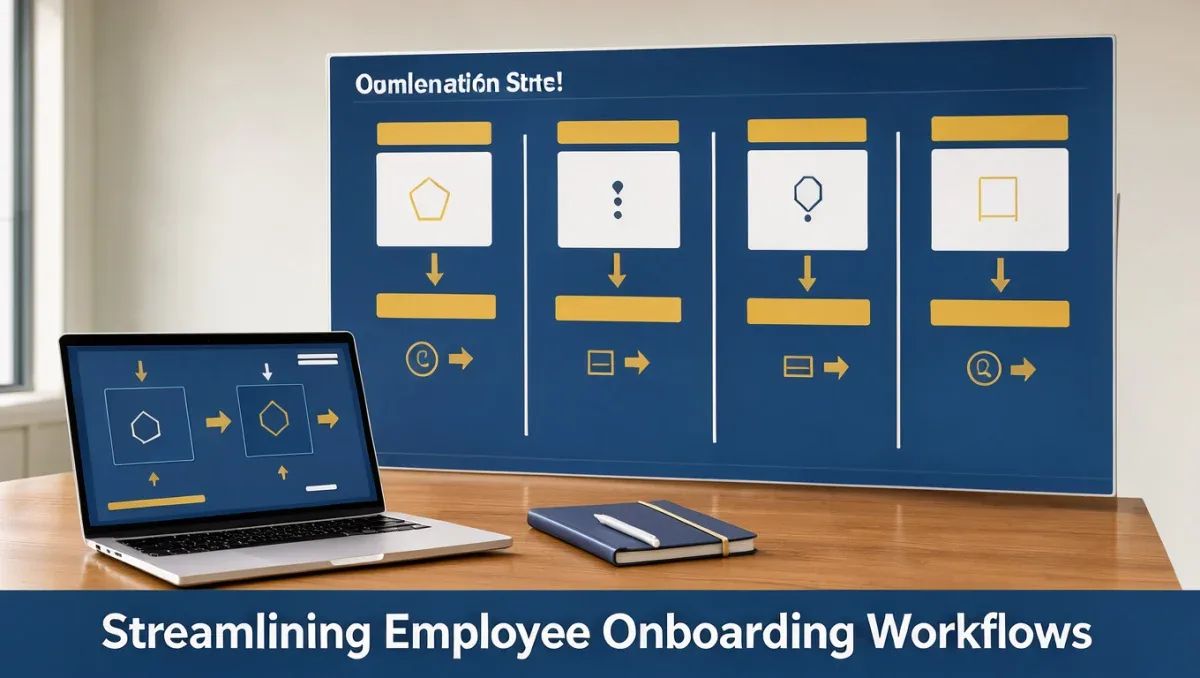
Process Street functions as workflow and process management software. It transforms standard operating procedures into active, trackable checklists. Within the Collaboration & Productivity sector, this software prioritizes recurring operational checklists over open-ended communication.
For people operations professionals, the platform is tailored for recurring processes that necessitate consistent cross-departmental handoffs. Organizations adopting such a tool typically aim to eliminate missed steps during high-volume administrative periods.
- People operations managers ensuring consistent regulatory documentation for new hires.
- Talent acquisition coordinators managing multi-step orientation schedules.
- HR generalists overseeing equipment return, account deactivation, and exit interviews.
- Department leads coordinating with internal IT and operations during personnel transitions.
Key HR Processes Managed by Process Street

Standardizing Employee Onboarding and Offboarding
New hire onboarding demands strict operational accuracy across multiple departments. Process Street enables HR personnel to map every required orientation task into an ordered workflow. This includes everything from tax form collection to workstation setup requests. Coordinators can assign individual steps to hiring managers, IT technicians, or the new employee, while keeping the central HR team updated on progress.
Managing Recurring Policy Acknowledgments and Document Intake
HR departments handle ongoing document intake, such as annual handbook acknowledgments and mandatory training confirmations. Process Street offers structured forms within workflow runs to capture employee inputs, track verification signatures, and maintain audit trails of completed milestones.
Tracking Internal HR Audits and Routine Compliance Checks
Maintaining regulatory readiness requires periodic checks of personnel files, safety records, and benefit enrollments. Running scheduled checklist procedures within Process Street assists compliance leads in systematically reviewing employee records, verifying documentation, and identifying missing items before external audits.
| HR Workflow | Primary Operational Focus | What to Test During Trial |
|---|---|---|
| New Hire Onboarding | Handoffs between HR, hiring managers, and IT | Test task assignments across various roles. |
| Employee Departure | Equipment retrieval, account revocation, exit surveys | Test checklist dependency and sign-off tracking. |
| Annual Policy Review | Staff acknowledgment and documentation verification | Test form fields and completion status visibility. |
| Personnel File Audits | Internal regulatory record checks | Test recurring run generation and archive retrieval. |
User Experience and Learning Curve
Workflow software adoption varies based on whether users create templates or simply complete assigned steps. In Process Street, the learning curve is distinctly divided between template builders and everyday checklist participants.
Constructing intricate procedural templates demands careful planning before team rollout. Administrators must define task order, conditional logic, and required data fields. Without established naming conventions, template maintenance can become burdensome as the department expands.
For employees and hiring managers, completing assigned steps is straightforward. An intuitive checklist format guides users through their duties with minimal training. Successful teams often assign a dedicated HR operations specialist to manage template updates, ensuring a simple participant experience.
- Initial template architecture requires dedicated setup and clear process documentation.
- End-user checklist completion demands minimal software training.
- Maintaining template clarity requires periodic reviews by department administrators.
Evaluating Process Street: A Two-Week Plan
Assessing workflow software necessitates systematic testing with authentic operational scenarios. HR teams should structure their evaluation over two business weeks to gauge build complexity and user adoption.
- Days 1-3: Map a core process, like new hire onboarding, on paper before using the software. Build this workflow template in Process Street, defining data fields, task assignments, and review checkpoints.
- Days 4-7: Conduct three simulated onboarding cycles with internal participants, including a hiring manager and an IT representative. Observe if assignees understand their tasks without verbal guidance and note any handoff delays.
- Days 8-14: Test edge cases, such as accelerated employee departures or remote hires needing custom equipment steps. Review the administrative view for completion tracking and verify exported data before making a purchasing decision.
Process Street: Strengths and Potential Limitations
Process Street offers clear structural benefits for procedural work, though certain operational models might suit different software categories. The following table highlights scenarios where the platform excels and where alternatives might be considered.
| Area | Shines When | May Fall Short When |
|---|---|---|
| Process Execution | Recurring HR workflows follow defined, sequential milestones. | Work involves unstructured creative discussions or rapid ad-hoc tasks. |
| Accountability | Multiple departments share responsibilities for onboarding handoffs. | Tasks are managed by a single individual without secondary oversight. |
| Documentation | Standard operating procedures accompany active task checklists. | Organizations require an employee record database with payroll execution. |
| Compliance Audits | Teams need timestamped proof of completed procedural steps. | Work requires complex quantitative resource leveling across project portfolios. |
Process Street vs. Competitors
HR teams often compare Process Street with general project management and collaboration platforms. Understanding competitor capabilities helps buyers align software with their primary operational needs.
| Tool | Best For | Core Focus |
|---|---|---|
| Process Street | Teams standardizing recurring checklists and SOPs | Checklist-driven process execution and procedural consistency |
| Asana | Cross-functional teams coordinating general projects | Project tracking and task collaboration |
| Monday.com | Organizations seeking visual boards and flexible tracking | Work management and operational visibility |
| ClickUp | Teams needing consolidated workspace features | All-in-one productivity and customizable task tracking |
Who Should Use Process Street?
Determining Process Street's fit depends on team size, process maturity, and existing software infrastructure. The table below outlines organizational fit across common workplace profiles.
| User Group | Fit Assessment | Key Operational Consideration |
|---|---|---|
| Freelance HR Consultants | Moderate Fit | Useful for standardized client onboarding frameworks. |
| Small Business HR Teams | Strong Fit | Ensures consistent new hire experiences without complex implementations. |
| Mid-size People Operations | Very Strong Fit | Excels at coordinating recurring handoffs between departments. |
| Large Enterprise HR Divisions | Conditional Fit | Requires verification of user management and alignment with existing enterprise software. |
| Teams Needing Core HRIS | Poor Fit | Should seek dedicated HRIS for employee records and payroll. |
Understanding Process Street Pricing
Workflow management pricing is typically based on user access levels and features. Buyers should examine these components directly on the vendor's website.
- Examine user licensing models to differentiate between full workflow builders and task completers.
- Check for user minimums on different subscription tiers, as these impact initial software budgets.
- Review advanced workflow features or premium add-ons that may require higher-tier plans.
Frequently Asked Questions
Which HR Processes Are Best Suited for Process Street?
Recurring, procedural workflows involving multiple handoffs benefit most. Examples include employee onboarding, structured exit protocols, annual benefits review checklists, and periodic personnel file audits, as they follow defined steps requiring systematic verification across designated roles.
What Should HR Departments Prepare Before Setting Up Workflows?
Document existing standard operating procedures (SOPs) beforehand. Clarifying task order, responsible roles, and required data fields reduces template revisions and prevents confusion during team onboarding.
How Does Procedural Checklist Software Differ from a Standard HRIS?
A Human Resources Information System (HRIS) is a system of record for employee data, compensation, and tax information. Procedural checklist software, like Process Street, manages the operational steps people take to execute workflows, ensuring tasks are completed correctly.
Why Should HR Teams Evaluate Seat Requirements Before Subscribing?
Subscription costs often depend on how vendors categorize builders versus participants. Confirming user definitions ensures department budgets account for everyone who interacts with recurring checklists.
Final Verdict
Process Street offers HR teams an effective, structured framework for managing recurring operational routines. For organizations facing inconsistent onboarding handoffs or incomplete audit preparation, the platform brings operational rigor and accountability. However, teams seeking an all-in-one employee database or general project management tools should explore platforms designed for those specific needs.
| Criterion | Score /10 | Reason |
|---|---|---|
| Features | 8.0/10 | Strong procedural checklist framework; limited broad project management capabilities. |
| Ease of Use | 8.5/10 | Checklist completion is simple; initial template creation requires planning. |
| Pricing and Value | Confirm Before Buying | Confirm user minimums and builder vs. participant fees on the official Process Street pricing page. |
| Integrations | Confirm Before Buying | Review supported connections and administrative controls on the official website. |
| Audience Fit | 8.6/10 | Well-aligned with people operations needing structured, repeatable administrative execution. |
| Support | Confirm Before Buying | Check current support channels and assistance tiers on the official Process Street website. |
| Competitive Position | 7.3/10 | Distinct checklist focus; specialized compared to broad project tools. |
| Overall Score | 8.1/10 | Reflects strong procedural execution with clear functional boundaries. |
Organizations standardizing people operations should pilot the software with an authentic onboarding workflow. Confirming administrative requirements and seat structures on the official process street for hr teams website ensures the investment aligns with operational goals.