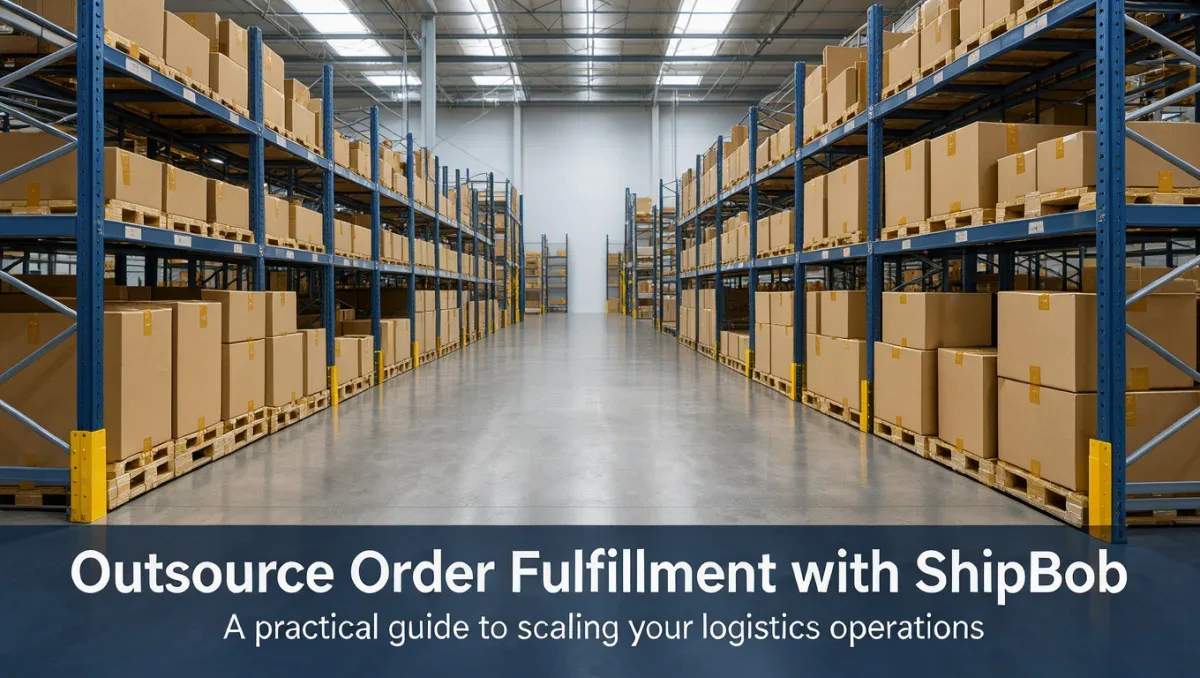
Outsourcing order fulfillment with ShipBob involves a strategic approach to catalog auditing, aligning warehouse needs, and establishing clean inventory transfer protocols. Online sellers often encounter operational bottlenecks when order packaging and parcel handoffs consume valuable management time. This guide provides a clear, systematic process for transitioning your fulfillment operations without guesswork.
Shifting logistics from an in-house operation to a third-party logistics (3PL) provider necessitates methodical planning. When executed correctly, learning how to outsource order fulfillment with ShipBob empowers growing merchant teams with reliable parcel delivery, streamlined distribution, and enhanced capacity for scaling store operations.
| Evaluation Dimension | Operational Details |
|---|---|
| Target Audience | Independent retailers, D2C founders, and digital commerce operations managers seeking a hands-off fulfillment solution. |
| Prerequisites | Active product catalog, accurate product dimensions and weights, barcode listings, supplier lead times, and store administrative access. |
| Outcome | A functional external distribution pipeline with automated order routing, synchronized stock data, and predictable delivery routines. |
Preparing Your Operations for ShipBob
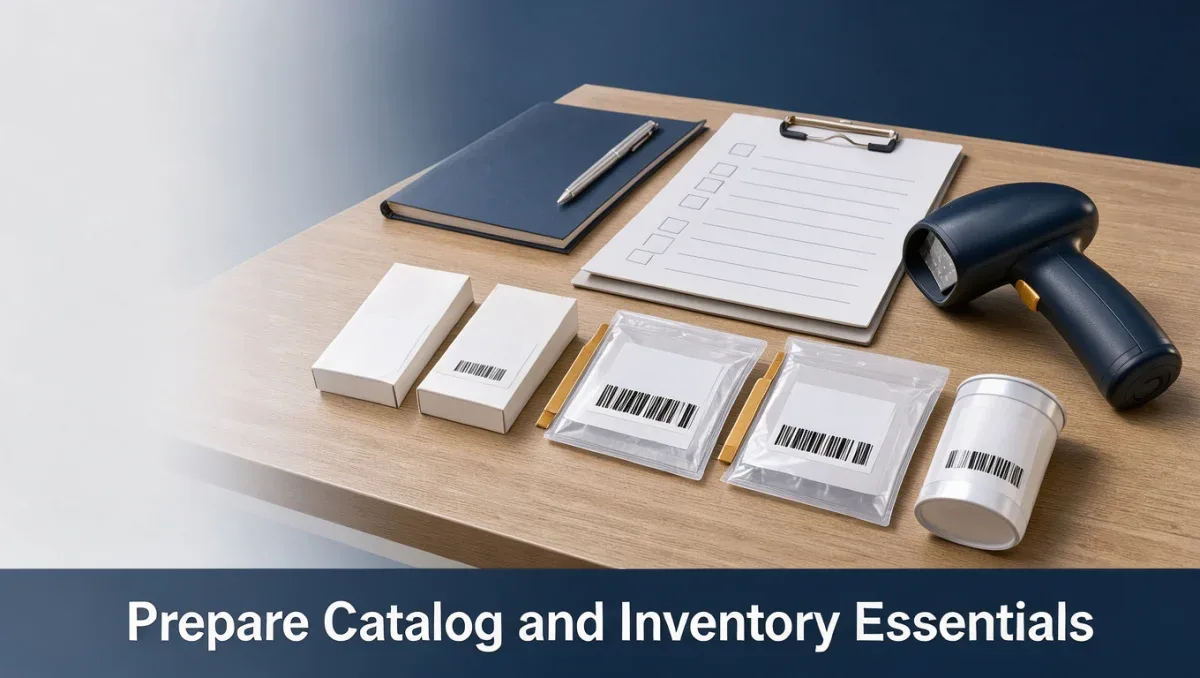
Thorough preparation of your internal operations before connecting your storefront is crucial to prevent shipment discrepancies, inventory misplacement, and delayed deliveries. Logistics platforms rely on accurate operational data to efficiently route packages across regional distribution hubs within E-commerce distribution networks.
- Standardized SKU Identifiers: Ensure every sellable item, variation, and bundle has a unique barcode and SKU label applied directly to its packaging.
- Product Measurements: Compile exact unit dimensions, gross weight, and any special handling classifications for your entire product line.
- Store Access Permissions: Prepare administrative permissions for your commerce platforms and marketplaces to allow synchronization with the warehouse software.
- Packaging Guidelines: Document any requirements for branded packaging, kitting instructions, or specific carton packing procedures for the third-party facility teams.
- Supplier Shipping Paperwork: Keep bill of lading templates and freight vendor contacts readily available for scheduling inventory delivery appointments.
Step-by-Step Workflow for Outsourcing
Executing an orderly rollout minimizes order delays during carrier handoffs. It is advisable to review exact configuration checklists on the official ShipBob website, as regional logistics workflows can be updated periodically.
- Connect Store Channels: Link your active online sales channels to enable the synchronization of order feeds, product records, and shipment tracking updates across all platforms.
- Import and Map Your Catalog: Align incoming store listings with your master SKUs to ensure orders automatically match the appropriate physical inventory units upon arrival.
- Configure Regional Inventory Allocation: Determine whether to store goods in a centralized depot or distribute stock across multiple fulfillment centers based on historical customer demand.
- Create Warehouse Receiving Orders: Generate receiving documentation that declares incoming carton counts, pallet specifications, and tracking numbers before freight departs from your supplier.
- Apply Labeling and Pack Shipments: Follow standardized labeling protocols for freight boxes and pallets so receiving staff can promptly verify incoming stock without errors.
- Conduct End-to-End Sample Orders: Place test orders across all integrated storefronts to confirm that routing, tracking updates, and package packing adhere to your operational requirements.
Your First 30 Days with ShipBob
The initial month of outsourcing is critical for establishing baseline performance metrics and uncovering discrepancies before high-volume sales events strain your order pipelines. Disciplined weekly routines are essential to prevent operational drift.
| Week | Routine to Build | Importance |
|---|---|---|
| Week 1 | Verify receiving accuracy and check initial inventory status across all assigned storage locations. | Confirms incoming stock quantities match supplier bills of lading before customer orders are routed to fulfillment hubs. |
| Week 2 | Audit live order handoffs, packaging presentation, and automated shipment tracking email delivery. | Ensures order statuses trigger promptly in your store platform without manual intervention or shipping delays. |
| Week 3 | Compare daily sales order volume against warehouse inventory deductions to detect sync errors. | Identifies unmapped bundles, outdated SKU aliases, or return handling issues before stockouts occur. |
| Week 4 | Review carrier transit timelines, restock velocity, and supplier replenishment lead times. | Helps establish reliable safety stock thresholds and reorder triggers tailored to external warehouse timelines. |
Common Mistakes and How to Avoid Them
Operational oversights during the early integration phase can lead to fulfillment delays and customer support backlogs. Most distribution friction arises from missing documentation rather than warehouse errors.
- Sending Unregistered Inventory: Dispatching freight without completed warehouse receiving paperwork results in receiving delays, staging surcharges, and lost stock visibility.
- Neglecting Safety Stock Minimums: Forgetting to account for supplier manufacturing and shipping transit times can lead to avoidable stockouts during fulfillment transitions.
- Mismatched SKU Codes: Using distinct identifiers across sales channels without proper bundle mapping causes warehouse technicians to mispick or hold orders.
- Inaccurate Packaging Dimensions: Submitting estimated item sizes instead of measured package volumes disrupts automated carton selection and shipping rate accuracy.
When to Seek Professional Assistance
While third-party fulfillment simplifies package dispatching, certain operational hurdles may require external guidance. Recognizing when to consult specialized professionals is key to maintaining resilient supply chains.
- Cross-Border Regulatory Duties: Consult a licensed customs broker or international trade specialist when importing inventory for international consumer orders.
- Complicated Inventory Tax Filings: Speak with a certified accountant regarding sales tax nexus obligations triggered by storing physical goods in multiple regional hubs.
- Persistent System Sync Discrepancies: Reach out to official ShipBob technical support when inventory levels or order tracking statuses fail to refresh between systems.
- Complex Freight Forwarding: Work with experienced freight coordinators when managing ocean container drayage or combined pallet transport from international manufacturers.
Frequently Asked Questions
How long does the transition to third-party fulfillment typically take?
Transition timelines vary based on freight transit and catalog size. Preparing catalog data and connecting stores usually takes several days, while inbound freight transit and warehouse receiving typically span several business weeks. Planning four to six weeks in advance ensures adequate time to test order pipelines without interrupting active storefront sales.
What happens if incoming inventory arrives damaged at the warehouse?
Warehouse receiving staff document any damage during incoming freight unloading, often with photographic evidence. When damaged goods arrive, affected cartons are placed on hold, allowing merchants to file claims with freight carriers or suppliers. Verifying receiving guidelines on the official ShipBob website ensures your incoming freight meets required protective packaging standards.
Can customized packaging materials be used with outsourced fulfillment?
Third-party logistics providers can accommodate custom boxes, printed mailers, and specific promotional inserts. You must register custom materials as distinct inventory items with their own SKU codes so warehouse packing teams can select them. Check official service guidelines to verify handling requirements for specialized containers.
Is a dedicated warehouse management expert required to run this software?
Dedicated warehouse specialists are generally not required for standard online retail setups. Most store owners, operations generalists, and inventory coordinators can oversee daily operations after connecting their sales channels. However, enterprise retailers managing extensive catalogs may assign an internal supply chain manager to supervise multi-hub replenishment schedules.
Moving Forward with ShipBob
Successfully transitioning fulfillment operations demands systematic execution and diligent oversight. Begin by auditing your current stock records to ensure physical unit tags precisely correspond with your online store's product entries. Next, consult the official ShipBob website to confirm current receiving specifications and storage parameters for your product categories. Finally, schedule your initial inventory shipment with freight providers and conduct test transactions before shifting default order routing away from your in-house workspace. For assistance with software selection, contact the Best Software Reviews team or follow us on LinkedIn for updates.