Understanding ActiveCampaign's Subscription Model
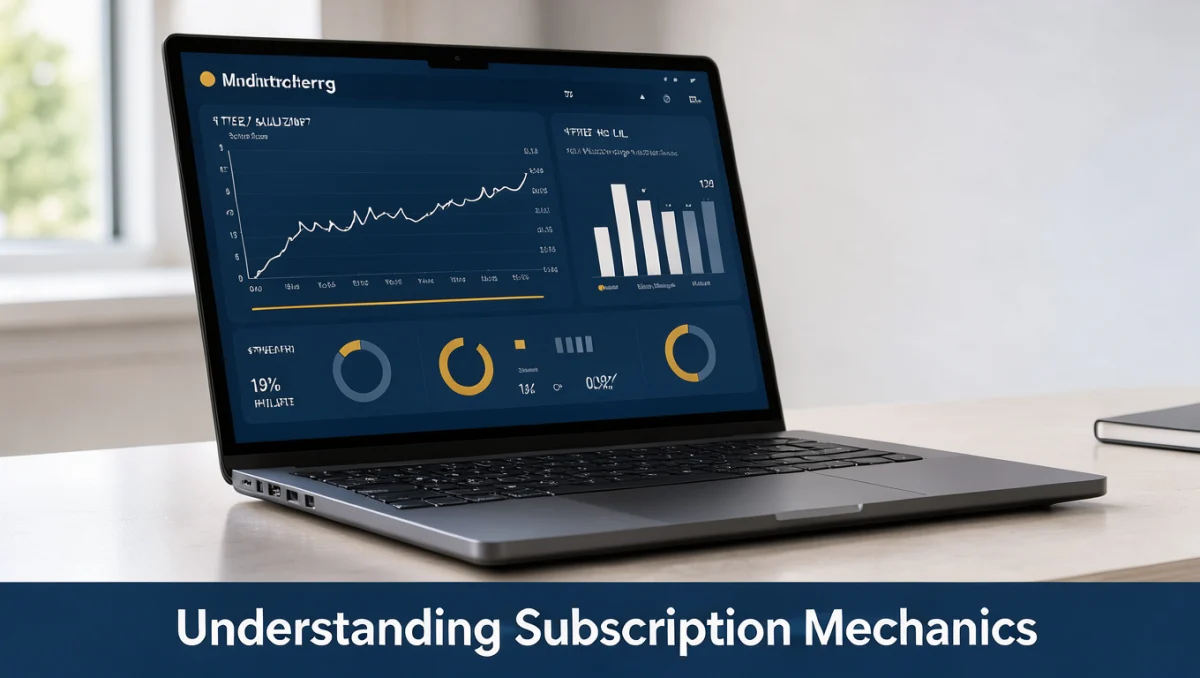
The core of ActiveCampaign pricing is its Software-as-a-Service (SaaS) model, primarily scaling with the number of contacts in your database and the features you access. You'll select a plan based on the complexity of your marketing automation needs, with costs adjusting as your contact list grows. This tiered approach is common in the email and marketing automation sector, offering progression from basic campaign sending to intricate multi-channel automations and sales pipeline synchronization.
Subscription costs typically recur on a monthly or annual basis, with annual agreements often providing a cost advantage. Be aware that as your lead generation efforts bring in more contacts, your subscription expenses may increase when you cross specific contact thresholds. It’s crucial to review the official activecampaign pricing page for the most current contact bands and associated costs.
Key Factors Influencing Your Total Investment

Beyond the base platform fee, several variables contribute to the overall cost of using ActiveCampaign. Understanding these can help you create a more accurate budget and avoid unexpected expenses:
- Contact Volume Milestones: Your primary cost driver is the number of active subscribers. Regularly cleaning your database and removing unengaged contacts is vital to managing expenses.
- Team Seat Allocations: If multiple users need access to the platform, such as campaign managers or sales representatives, you may need to upgrade your plan or purchase additional seats.
- Access to Advanced Features: Sophisticated capabilities like predictive segmentation, custom reporting, and advanced attribution models are typically reserved for higher-tier plans.
- Data Migration and Setup: Initial costs might include migrating existing lists, validating email addresses, and setting up technical domain authentication.
- Transactional Messaging: Sending high-volume operational alerts or order confirmations may incur separate charges or require specific plan configurations.
When evaluating any tool in the broad Marketing technology space, consider the complete operational expenditure, not just the initial subscription rate.
Before You Commit: A Buyer's Checklist
Before finalizing your subscription, thoroughly vet these critical aspects directly on the vendor's website:
| What to Check | Importance | Who Needs to Check |
|---|---|---|
| Contact list band increments | Crossing subscriber limits automatically increases recurring charges. | Teams with high-volume lead generation. |
| Account seat limits | Adding users can necessitate plan upgrades. | Collaborative teams and agencies. |
| Billing commitment flexibility | Monthly vs. annual terms impact cash flow and potential discounts. | Startups and businesses with seasonal cash flow. |
| Data history retention | The depth of campaign reporting and contact activity varies by tier. | Analytics teams tracking long sales cycles. |
| Pipeline and CRM workflow access | Integrated sales and marketing funnels depend on tier inclusion. | B2B companies with unified sales/marketing operations. |
Documenting your current contact numbers, user needs, and desired reporting capabilities will facilitate an accurate comparison across available packages.
Matching Plans to Business Needs
For Solopreneurs and Early-Stage Ventures
If you're just starting, focus on core communication, list building, and simple welcome sequences. Ensure foundational plans offer essential newsletter templates and basic segmentation without complex automation logic. Keeping overhead low is key when your contact database is small.
For Expanding Commercial Teams
Growing businesses typically need multi-step nurturing, behavioral triggers, and integrated pipeline management. Verify features like deal tracking and lead scoring. Investing in plans that connect marketing triggers with sales actions can significantly boost workflow efficiency.
For High-Volume and Multi-Channel Organizations
Enterprise-level operations require managing vast contact records, complex customer lifecycles, and robust data governance. Check for custom user permissions, single sign-on (SSO), and dedicated database support. Review service level agreements (SLAs) and data governance provisions with sales representatives.
Strategies to Optimize Your Spending
Maintaining control over software costs involves consistent administrative effort:
- Regular List Pruning: Periodically unsubscribe contacts who haven't engaged with your messages to avoid paying for inactive database space.
- Audit User Accounts: Remove access for departed team members or reassign licenses to prevent paying for unused seats.
- Consolidate Tools: Assess if ActiveCampaign's built-in features can replace separate subscriptions for pipeline management or campaign scheduling.
- Align Contact Growth with Billing: Monitor your subscriber intake. If you're nearing a pricing threshold, clean your database before crossing into a higher bracket.
- Consider Annual Commitments: If your contact volume and workflows are stable, switching to an annual plan can reduce your overall cost.
Is ActiveCampaign's Value Proposition Strong?
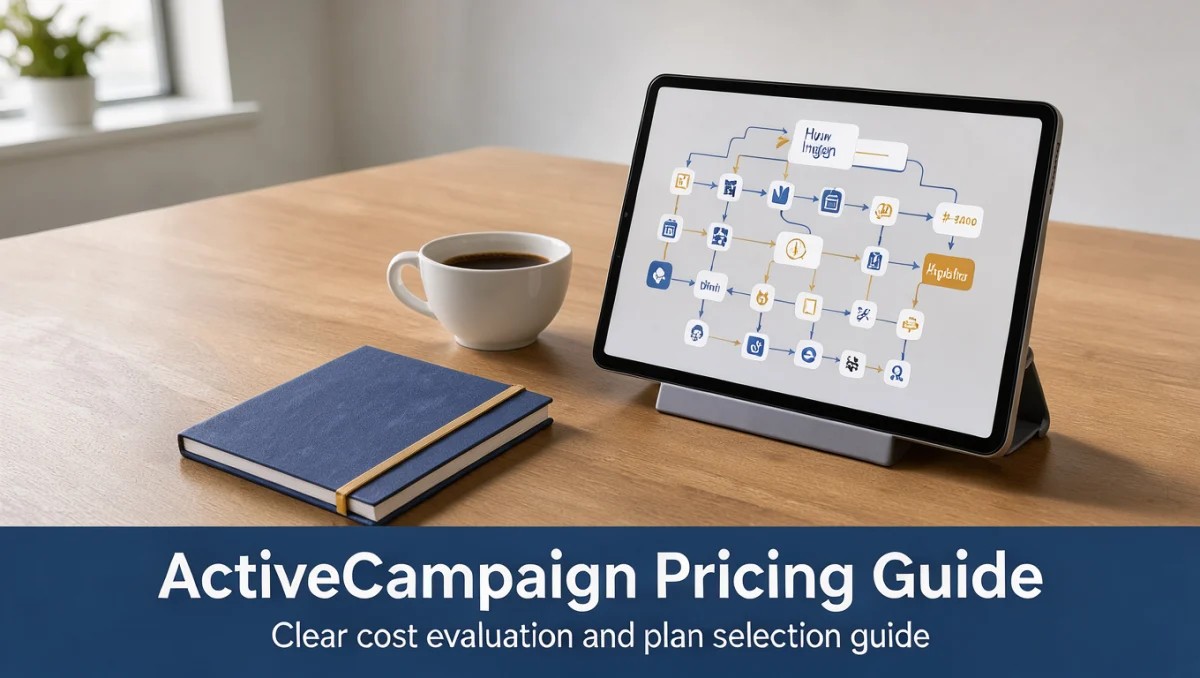
The worth of ActiveCampaign's subscription hinges on how deeply you plan to utilize its automation capabilities. For businesses built on sophisticated customer journeys, conditional messaging, and advanced segmentation, the platform offers significant functional value. The investment pays off when its visual workflow builders save time and improve lead conversion through automated follow-ups.
However, if your needs are limited to simple monthly announcements or basic newsletters, more straightforward platforms might be a better fit. Tools like Mailchimp or MailerLite often provide simpler solutions for basic broadcasting. Matching your operational requirements with the platform's capabilities ensures you're not overpaying for unused features.
Frequently Asked Questions
Assessing the Need for Advanced Automation
Examine your current marketing and lead follow-up processes. If your team handles inquiries manually, sends repetitive emails, or struggles with behavioral segmentation, advanced automation can resolve bottlenecks. For uniform newsletters sent to your entire list, simpler tools are more cost-effective.
Budgeting Beyond Subscription Fees
Factor in costs for list validation services, technical domain setup, internal staff training, and custom template design. Complex integrations might also require technical resources for database synchronization.
Preventing Overpayment for Database Capacity
Implement automated rules to suppress contacts showing no engagement for three to six months. Archiving or removing these inactive records helps keep your database size—and subscription costs—lower.
Monthly vs. Annual Billing
Monthly billing offers flexibility for teams testing new channels or experiencing fluctuating growth. Once your contact numbers and sales funnels stabilize, annual commitments typically reduce overall software expenses.
Final Verdict
ActiveCampaign delivers substantial value for marketing teams, online businesses, and growing enterprises focused on optimizing customer communication. Organizations leveraging advanced segmentation and automated nurturing will find the platform highly effective. If your operations are simpler, carefully verify your functional requirements before committing to advanced automation plans.
For assistance in selecting the right tools for your marketing stack, explore Best Software Reviews or contact our team via our contact page.