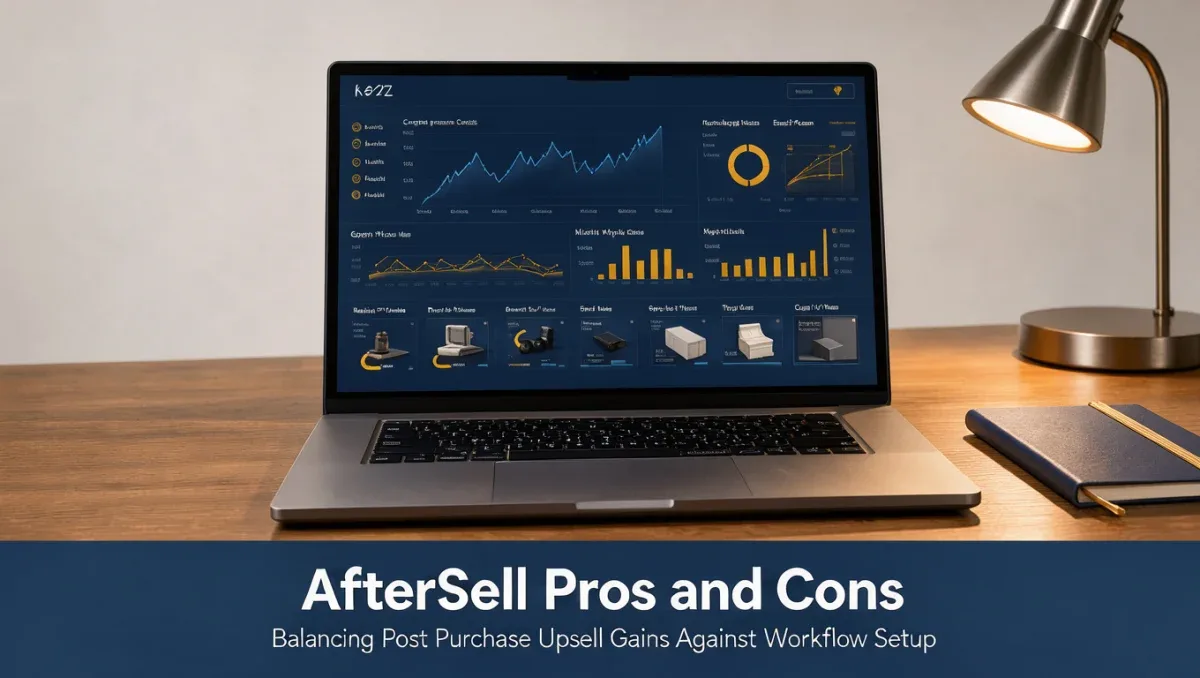
Evaluating tools for post-purchase checkout optimization means weighing increased revenue against the effort needed for setup. This objective analysis of AfterSell pros and cons is designed for online merchants seeking to enhance their average order value (AOV) without disrupting the customer journey. Post-purchase merchandising software offers specific triggers to present relevant add-on items right after the initial checkout is finalized, creating opportunities for incremental order growth.
Selecting the right conversion optimization platform involves understanding how promotion rules interact with your inventory and customer expectations. By reviewing this comprehensive guide to AfterSell pros and cons, retailers can examine the core upsell workflows, setup trade-offs, and essential operational checkpoints before integrating a new tool.
Quick Insight: AfterSell's main advantage is its automated post-purchase upsell and cross-sell funnels, designed to capture additional revenue without interrupting the primary checkout process. The primary drawback is the continuous merchandising effort required to keep offers aligned with current inventory. Store owners focused on increasing their AOV should be prepared for this ongoing management commitment.
| Key Strengths | Key Limitations |
|---|---|
| Captures sales after the initial checkout is complete | Requires frequent catalog checks to avoid recommending out-of-stock items |
| Supports multi-step sequences for cross-sells and down-sells | Needs careful funnel testing to prevent overwhelming loyal customers |
| Allows targeted promotions across order confirmation stages | Adds another layer of operational management to standard merchandising |
Understanding the AfterSell Advantage
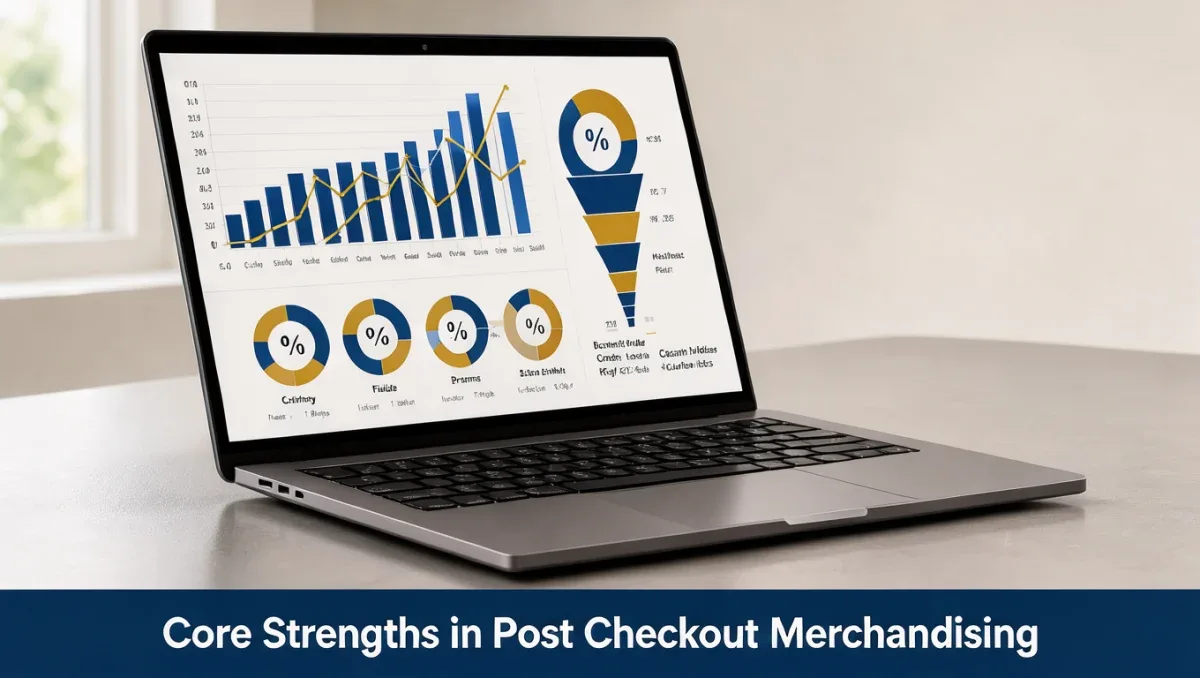
Tools for generating revenue post-purchase are engineered to maximize the commercial return from existing checkout traffic. When integrated into store workflows, this software provides distinct structural benefits for growing digital brands.
Seamless Transaction Triggers Post-Purchase
By offering add-on options after a buyer has completed their initial payment, the software avoids introducing decision hurdles within the primary conversion sequence. Customers finalize their initial purchase first, which protects standard checkout rates and creates an immediate chance for supplementary cart additions.
Tiered Upsell and Downsell Offer Logic
Merchants can design sequential promotional paths that logically respond to customer choices. If an initial upgrade is declined, alternative accessories or complementary products can be presented automatically. This offers structured methods to capture relevant order additions catering to different buyer price points.
Dynamic Promotional Displays After Checkout
Beyond immediate post-checkout offers, the software enables customized messaging and product suggestions on thank-you pages and order status screens. This extends product discovery opportunities into transactional confirmation points that customers frequently revisit.
- Post-purchase placement protects core conversion funnels from checkout friction.
- Dynamic decision trees adapt secondary offers based on customer responses.
- Confirmation page customization reinforces brand messaging alongside product discovery.
Navigating AfterSell's Limitations
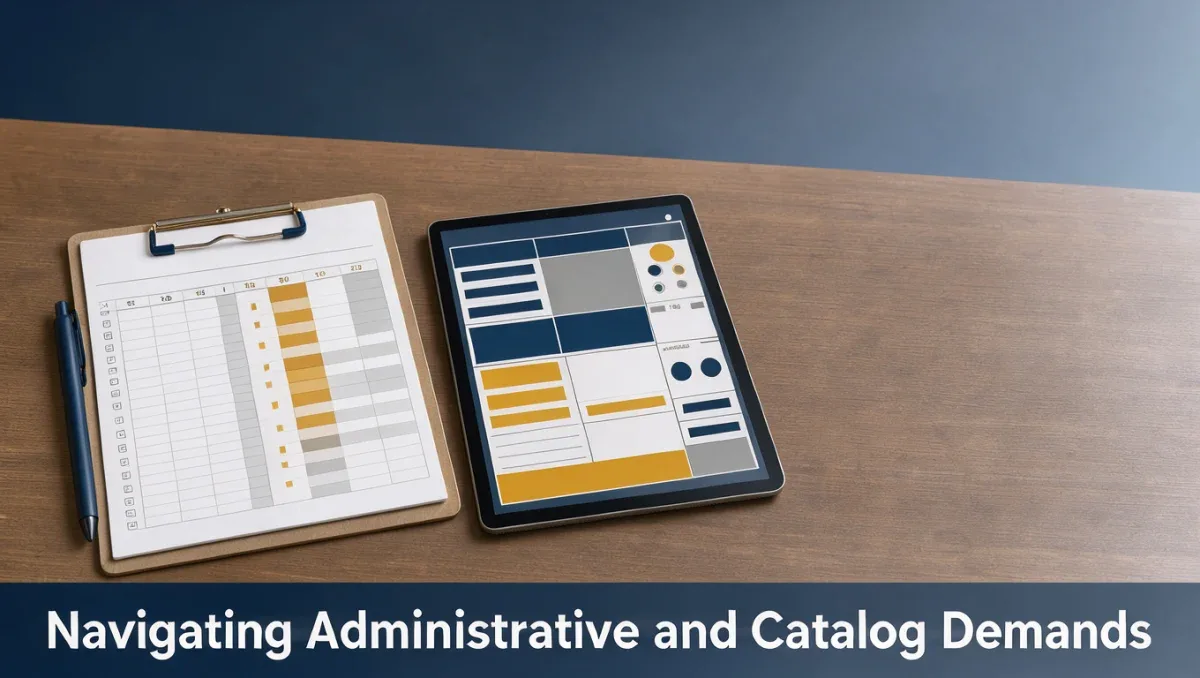
While post-purchase optimization software opens up clear pathways for revenue expansion, merchants must also account for necessary administrative tasks and strategic considerations.
Continuous Catalog and Inventory Management
Post-purchase funnels rely on having items in stock to prevent customer disappointment. When catalog inventory fluctuates rapidly, merchants must consistently audit offer rules to ensure that discontinued or low-stock items do not lead to unfulfillable orders. Setting automated inventory thresholds within your product catalog can provide an effective safeguard.
Potential for Promotional Fatigue with Frequent Buyers
Displaying multi-step post-purchase options on every transaction can lead to fatigue for loyal, repeat customers. Without careful segmentation of rules, regular buyers might encounter repetitive offers that detract from their post-purchase experience. Store administrators should establish clear exclusion tags or purchase frequency rules to reduce this friction.
Integration Dependencies with Store Development
Implementing third-party checkout extensions requires consistent coordination with ongoing store theme updates and e-commerce Development schedules. When storefront templates are redesigned, promotional displays need verification to ensure visual consistency across both mobile and desktop devices.
- Review active upsell funnels bi-weekly to confirm product availability.
- Implement customer tagging rules to exclude recent purchasers from repetitive promotions.
- Perform staged testing across mobile viewport layouts after applying theme updates.
Key Trade-offs for Merchants
Choosing any conversion optimization tool involves accepting specific operational trade-offs between automated revenue generation and the required administrative oversight. The following analysis details how these compromises affect different merchant structures.
| Benefit | Associated Cost | Ideal User |
|---|---|---|
| Automated revenue capture at checkout completion | Time dedicated to curating compatible product bundles and promotional copy | Merchants with steady order volumes aiming to increase average transaction values |
| Sophisticated multi-tier downsell offer logic | Increased complexity in troubleshooting order fulfillment exceptions | Retailers with diverse catalog accessories and flexible fulfillment operations |
| Extensive promotional options on thank-you pages | Routine monitoring needs across mobile storefront theme revisions | Brands with dedicated site managers maintaining active storefront designs |
When to Reconsider Post-Purchase Tools
In certain operational contexts, the fundamental nature of post-purchase merchandising tools might not align with current business needs. Consider postponing adoption if:
- Your store primarily sells a single flagship product with no complementary accessories or recurring consumables to offer post-purchase.
- Your fulfillment operations cannot accommodate split orders or sudden increases in secondary add-on selections.
- Your primary store checkout traffic is too low to generate statistically significant conversion patterns from secondary funnels.
- Your organization lacks the administrative capacity to regularly audit inventory against promotional rules.
Frequently Asked Questions About AfterSell
Can the operational challenges of post-purchase funnels be managed effectively?
Diligent catalog curation and systematic rule scheduling can resolve most operational hurdles. By focusing offers on consistently stocked, evergreen accessories and implementing exclusion rules for repeat buyers, store managers can maintain smooth order delivery while minimizing manual administrative effort.
Is AfterSell suitable for new store owners?
New store operators often find greater value in establishing a reliable baseline of traffic and stabilizing core product fulfillment before implementing multi-step upsell sequences. Once consistent daily sales are achieved, introducing post-checkout optimization becomes an effective next step for revenue growth.
When should a merchant consider alternative conversion software?
Exploring alternative tools is recommended when a merchant requires specialized pre-purchase bundling, subscription membership billing management, or complex tiered volume discounts within product collection pages. Post-purchase tools specifically target post-checkout touchpoints, not top-of-funnel browsing promotions.
What should be verified on the official website before purchasing AfterSell?
Store owners should review the official AfterSell website to confirm current subscription tiers, order volume limits, and billing structures. Verifying these usage parameters ensures that the expected return on average order value justifies the ongoing platform investment.
The Final Verdict on AfterSell
AfterSell provides a focused solution for digital retailers aiming to increase their average order values through structured post-purchase merchandising. By presenting complementary options after initial payment is secured, the platform unlocks valuable incremental revenue while protecting baseline checkout completion rates. For growing brands with diverse products and predictable inventory, the aftersell pros and cons generally lean favorably. However, businesses with limited product catalogs or challenging fulfillment logistics should solidify their core retail operations before adopting dedicated post-checkout optimization funnels.
Have a question about choosing software? Send it to the Best Software Reviews team via our contact page or follow Best Software Reviews on LinkedIn for new reviews and comparisons.