Finding the right barcode provider is crucial for product manufacturers and merchants alike. While Bar Codes Talk offers a specific model, several bar codes talk competitors present alternative pathways for obtaining scannable inventory identifiers. The choice hinges on whether your retail partners require direct organizational licensing or accept secondary prefix assignments. At Best Software Reviews, we prioritize verified institutional policies over mere marketing claims when evaluating these services.
Effective bar code management demands meticulous inventory coordination, rigorous compliance validation, and precise graphic formatting. This review aims to clarify the practical distinctions between primary issuing organizations and independent barcode resellers, empowering you to select the optimal provider for your physical or digital storefronts.
Quick Verdict: With an overall score of 7.7/10, Bar Codes Talk is well-suited for independent product manufacturers and small retail brands seeking standard UPC and EAN assignments without recurring membership fees. However, it may not be the best fit for enterprise suppliers selling to major retail chains that mandate direct corporate prefix licensing.
| Metric | Summary |
|---|---|
| Best Software Reviews Score | 7.7/10 |
| Ideal For | Independent sellers and small manufacturers needing one-time barcode purchases |
| Not Ideal For | Enterprises supplying retail conglomerates requiring company-specific prefix licensing |
| Key Strengths | One-time acquisition, standard barcode image generation, and rapid digital delivery |
| Before Buying Check | Retailer acceptance rules, packaging graphic formats, and verification requirements |
Understanding the Need for Barcode Provider Alternatives
Merchant requirements significantly influence the selection of a barcode issuance method for an inventory catalog. Many small brands begin their search when specific department stores or supermarket chains necessitate direct membership within global numbering standards. During product listing audits, supply chain compliance teams often cross-reference prefixes against institutional databases.
Different organizations have distinct metadata structure requirements. Some manufacturers need individual product assignments with dedicated digital certificates, while others opt for bulk numeric allocations for extensive seasonal catalogs. Budget predictability is also a key factor, as some providers require recurring renewal payments, contrasting with those relying solely on one-time transactions.
When evaluating alternatives to Bar Codes Talk, enterprise distribution guidelines remain the primary deciding factor. Retail requirements vary widely across regional and global markets, making it essential to audit partner documentation before purchasing numeric allocations.
Comparing Key Barcode Providers
Understanding the specializations of each provider simplifies catalog planning. The following comparison outlines the primary alternatives available for product labeling and global inventory management.
| Provider | Best For | Core Strength |
|---|---|---|
| GS1 | Enterprise brands and major department store vendors | Direct organizational prefix ownership and global database verification |
| Nationwide Barcode | Small commercial brands seeking straightforward secondary assignments | Simple purchase process with standard high-resolution artwork |
| Buy Barcodes | Regional merchants needing localized numbering guidance | Multi-region numeric assistance and localized storefronts |
| Speedy Barcodes | Budget-conscious small businesses with basic retail items | Instant digital generation of standard product codes |
GS1: The Primary Licensing Authority
GS1 functions as the non-profit organization responsible for administering international supply chain standards. Unlike reseller networks, GS1 licenses unique company prefixes directly to your business entity, ensuring your company name appears as the registered brand owner in global supply chain registries.
Alignment with Enterprise Distribution
Direct licensing is ideal for businesses targeting big-box retail chains, national supermarket networks, and institutional hospital suppliers. Large retailers routinely verify product prefixes against the central registry to prevent brand spoofing and duplicate product entries. Acquiring prefixes directly from GS1 can prevent costly packaging recalls if your distribution plan involves major corporate department stores.
Operational and Administrative Aspects
Obtaining prefixes directly from the licensing body involves initial documentation and recurring administrative obligations. Businesses must monitor their annual renewal structures on the official portal, as commercial rates depend on catalog size and gross revenue. For small enterprises with limited products, these ongoing maintenance requirements might exceed basic operational needs.
Nationwide Barcode: A Trusted Secondary Reseller
Nationwide Barcode operates as an independent reseller, providing barcode numbers that originated before the shift in prefix ownership rules. These numbers are transferred directly to buyers for private brand labeling without ongoing maintenance obligations.
Utility for Small Businesses
This alternative suits small batch producers, specialty food artisans, and boutique craft businesses distributing through independent shops or local markets. As transactions are based on a purchase-and-own model, merchants benefit from predictable expenses while securing valid standard barcode symbologies.
Considerations for Retail Acceptance
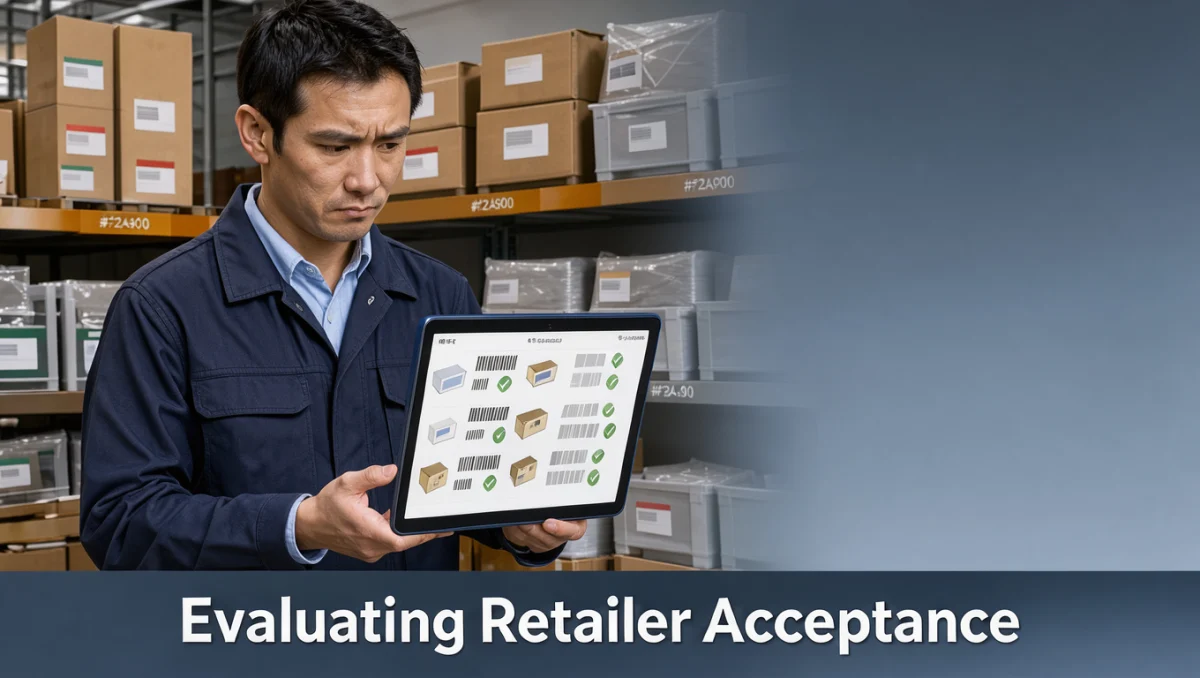
Purchasers should always verify retail acceptance prior to completing transactions. While many independent merchants accept secondary numbers without objection, certain online retail platforms and national supermarket conglomerates require brand names to directly match prefix registration records. Confirm your target retailers' policies on their vendor onboarding portals.
Buy Barcodes: Navigating Global Reseller Networks
Buy Barcodes operates within an international network of barcode distribution websites, offering EAN and UPC numbers tailored for regional and international retail environments. The service delivers standardized identification codes along with corresponding packaging artwork.
Serving Regional and International Commerce
Merchants targeting multi-country distribution through regional storefronts benefit from localized currency handling and territory-specific guidance. This platform serves boutique brands, authors publishing independent media, and local suppliers preparing products for domestic store shelves.
Compliance with International Standards
Prospective buyers must review international trade compliance policies. Although secondary EAN assignments function smoothly across general retail environments, select global supermarket chains enforce strict direct-license requirements. Check packaging specifications and barcode sizing requirements with your local trade partners before finalizing print production.
Speedy Barcodes: Streamlined Digital Ordering
Speedy Barcodes supplies unassigned UPC and EAN numbers for commercial retail items, delivering numbers alongside digital graphic files suitable for product packaging and labels.
Efficiency for Emerging Brands
Emerging entrepreneurs testing experimental product lines or launching private-label merchandise find this approach efficient. With immediate digital delivery of standard symbology files, creators can prepare label artwork without navigating complex enterprise registration paperwork.
Verification in E-commerce Channels
Before using secondary identifiers on retail packaging, confirm whether your e-commerce channels or physical distributors perform automated prefix verification. When an e-commerce platform checks prefixes against centralized registry databases, secondary assignments may lead to verification mismatches if the system demands identical brand naming.
Choosing the Right Barcode Sourcing Strategy
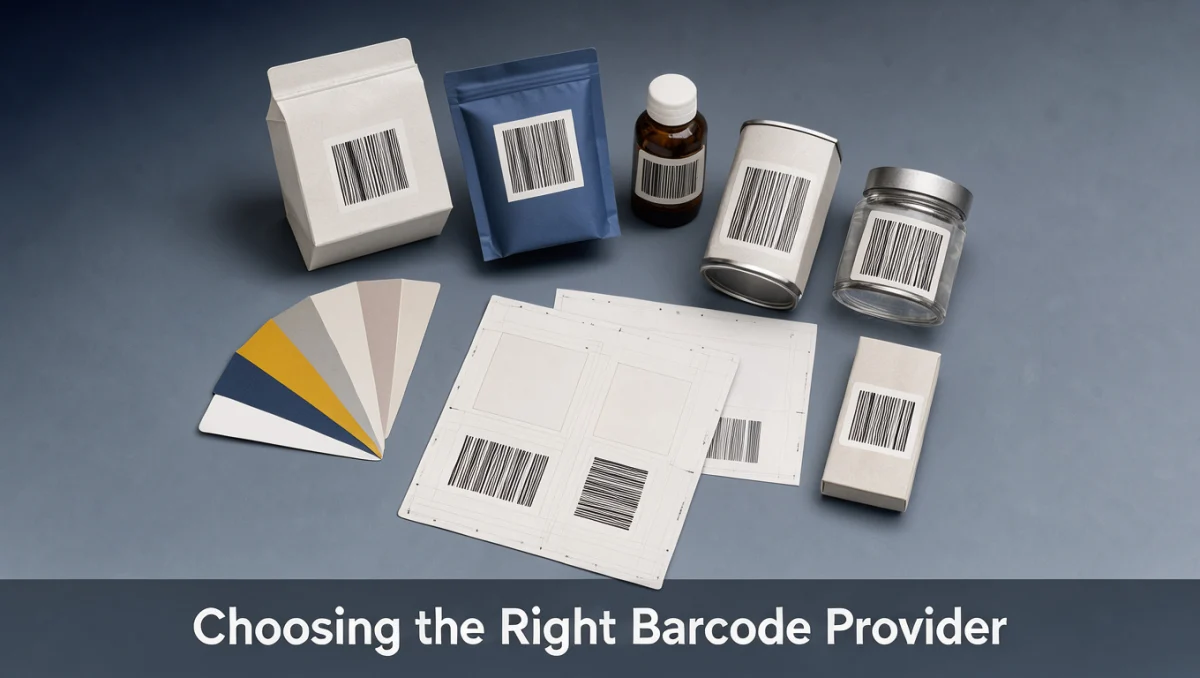
Selecting a barcode partner requires aligning your retail ambitions with partner compliance standards. Evaluating structural factors early can prevent packaging waste and costly re-labeling expenses.
Key Factors for Evaluation
Every retailer maintains vendor compliance documentation detailing accepted barcode sources. Certain retail giants enforce direct institutional prefix ownership, whereas independent grocers, specialty boutiques, and regional distributors often accept valid secondary numbers. Review vendor compliance guides from each prospective retail partner before committing to a provider.
Barcodes necessitate strict graphical clarity for reliable scanning. Look for providers that supply vector image formats alongside numeric codes. Clear communication and responsive Customer Service help verify that barcode graphics match printing specifications before mass production.
Small catalogs with fixed product ranges often function well under one-time purchase arrangements. However, growing enterprises adding dozens of seasonal items annually may benefit more from establishing a permanent corporate prefix. A dedicated prefix ensures consistent identifying sequences across your entire corporate catalog.
Frequently Asked Questions
Retail Compliance and Barcode Selection
Major retailers often have strict vendor rules regarding barcode origin. Some require your company name to appear directly in the official central registry, necessitating direct licensing. Smaller retail shops and independent stores frequently accept secondary numbers without requiring central registry matching.
Pre-Print Verification Steps
Product manufacturers should always test printed packaging samples with commercial verification scanners before authorizing large print runs. Ensuring proper color contrast, adequate quiet zones, and correct scaling prevents retail checkout scanning failures and distributor return penalties.
Pricing Models: Recurring vs. One-Time
Central licensing organizations require recurring renewal payments to maintain your exclusive company prefix in their global registry. Independent reseller providers, conversely, sell previously allocated prefixes on a one-time transaction basis, eliminating recurring renewal charges while providing individual scannable codes.
E-commerce Seller Barcode Evaluation
E-commerce sellers must review the specific listing guidelines of each platform where products are sold. Certain marketplaces match brand names directly against institutional registry records, making direct licensing mandatory, while other platforms permit secondary barcode numbers for general product identification.
Final Recommendation
Selecting the ideal barcode provider is entirely dependent on your distribution channels and partner compliance guidelines. Bar Codes Talk offers a practical solution for independent businesses needing legitimate product codes without ongoing administrative overhead. However, brands targeting corporate retail distribution must explore direct licensing pathways to satisfy institutional vendor requirements.
Independent artisans, private-label sellers, and small specialty brands will find secondary barcode providers convenient and cost-effective. Enterprise manufacturers and high-volume consumer goods producers should pursue direct prefix registration through primary standards organizations.
For those seeking more information on barcode compliance or software selection, please visit Best Software Reviews or follow our updates.
| Criterion | Score /10 | Reason |
|---|---|---|
| Features | 7.2/10 | Provides standard UPC and EAN numbers with basic graphic formats. |
| Ease of Use | 8.4/10 | Straightforward purchasing process with prompt electronic file delivery. |
| Pricing and Value | 7.8/10 | Assess total catalog needs against official pricing pages for long-term cost evaluation. |
| Integrations | 7.0/10 | Confirm compatibility of supplied file formats with your label printing tools. |
| Audience Fit | 8.6/10 | Serves small manufacturers and boutique sellers with straightforward labeling needs. |
| Support | 7.4/10 | Consult official support resources to verify graphic technical specifications. |
| Competitive Position | 7.6/10 | A practical reseller choice, though limited by major enterprise retailer mandates. |
| Overall Score | 7.7/10 | Balanced performance for independent commerce without corporate mandates. |