Selecting the right logistics provider is crucial for scaling your e-commerce business. ShipBob and Flexport offer distinct solutions, catering to different operational needs. This guide will help you understand their core functionalities to make an informed choice between shipbob vs flexport.
Understanding Core Logistics Differences
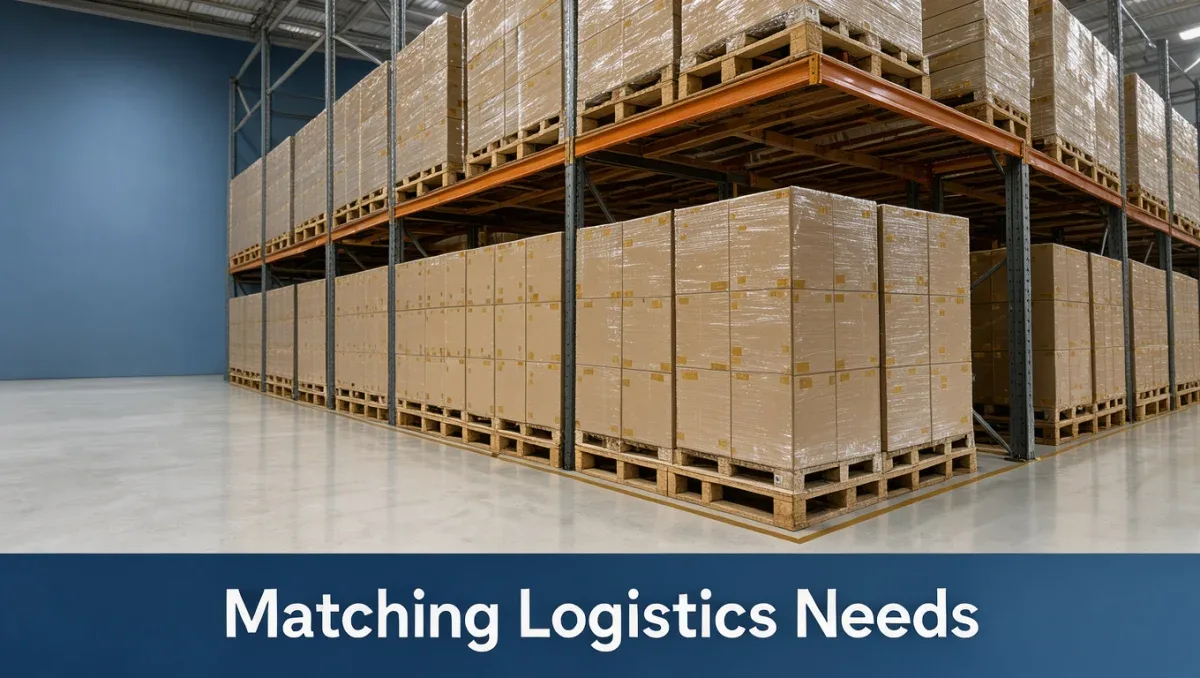
ShipBob is primarily an order fulfillment service. It excels in storing inventory across multiple regional warehouses, efficiently picking and packing orders, and managing last-mile delivery to customers. Online retailers often choose ShipBob when they need to ensure timely parcel distribution without the burden of managing their own warehouse space.
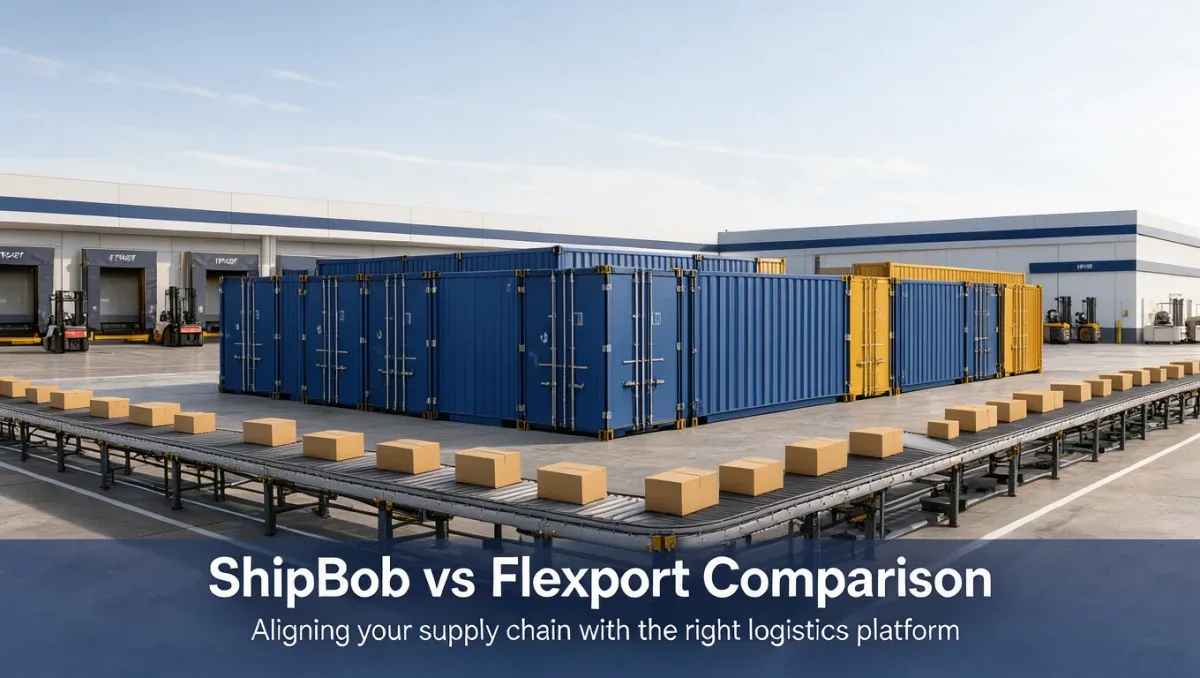
Flexport, on the other hand, operates as a global freight forwarder and supply chain management platform. Its strengths lie in managing the international transit of goods, from manufacturing facilities through ports to distribution hubs. Businesses rely on Flexport for consolidated visibility and management of international air and ocean cargo, including customs clearance.
- ShipBob focuses on individual parcel shipments, inventory alerts, and handling customer returns.
- Flexport concentrates on booking ocean freight, managing commercial customs documentation, and coordinating wholesale transportation.
Matching Provider to Your Business Needs
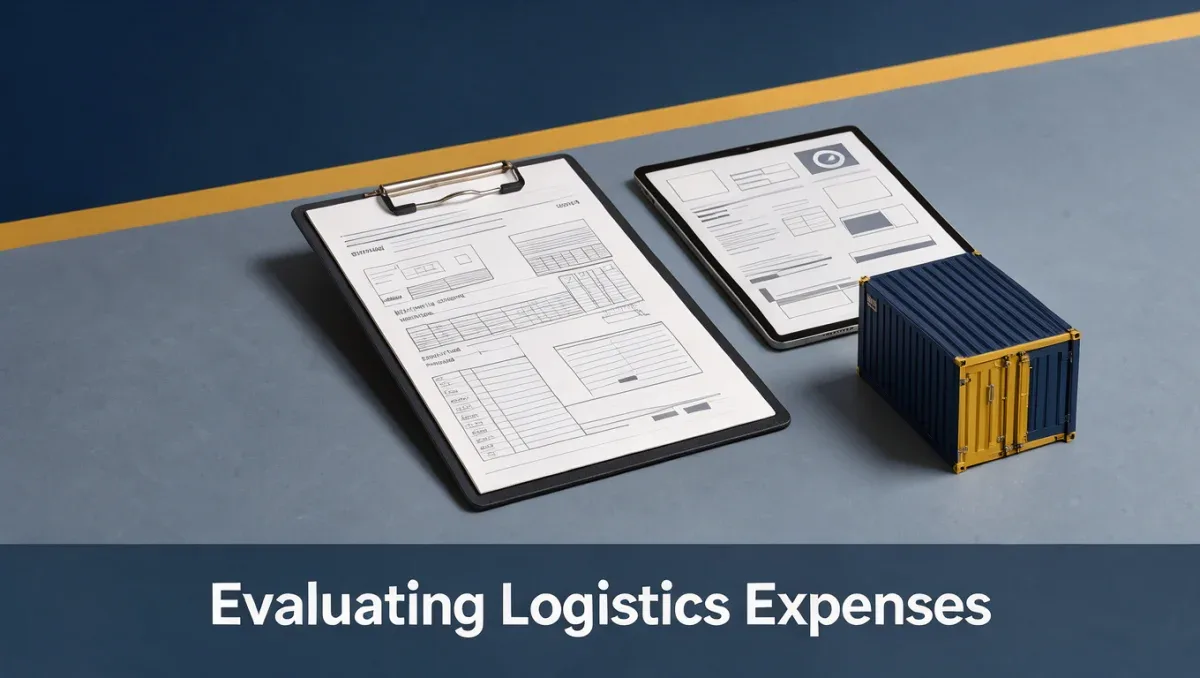
Your business's specific needs should dictate your choice of logistics partner. Consider where your goods spend the most time in transit and what bottlenecks you face.
| Situation | Choose ShipBob if | Choose Flexport if |
|---|---|---|
| Domestic E-commerce Sales | Orders are delivered directly to consumers' homes daily. | Domestic parcels are part of a larger import supply chain. |
| International Imports | Consolidated goods have already cleared domestic customs. | You need to transport goods from overseas factories across ocean ports. |
| Returns Management | You require direct parcel intake and inspection for reverse logistics. | Inbound freight shipments need consolidated port transfers. |
| Speed of Delivery | Distributed domestic centers can reduce transit times. | Bulk inventory needs to be positioned closer to primary rail hubs for further distribution. |
| Cross-Border Compliance | Your goods primarily remain within domestic borders. | You need licensed customs brokers to clear commercial air or sea manifests. |
| Wholesale Replenishment | Pallet transfers occur from existing regional domestic facilities. | Global production lines feed bulk distribution warehouses directly. |
Key Comparison Factors
Features and Functionality
Evaluate how each platform handles warehouse inventory tracking, order allocation, and shipping label generation. For ShipBob, understand its receiving workflows. For Flexport, review its cargo tracking capabilities for international shipments.
Ease of Use
Assess how easily your team can navigate catalog creation, shipment notifications, and inventory management within each system. Request demonstrations to understand daily operational workflows.
Pricing and Value
Analyze how storage dimensions, handling fees, and freight weight calculations impact your total costs. It is essential to confirm all quotes and rate structures directly on the official pricing pages for both providers.
Integrations
Verify that your existing E-commerce platforms and order management tools can connect seamlessly with the logistics provider's database. Ensure accurate synchronization of order information.
Audience Fit and Support
Determine if your business volume aligns with high-frequency parcel shipping or larger pallet-level cargo transport. Both providers have distinct order volume minimums. Additionally, review how each provider handles shipping exceptions, lost packages, or port delays to ensure adequate support.
Cost Considerations
When reviewing invoices, pay close attention to variable service components. Use this checklist during pricing negotiations:
| Cost Item | Inquire with ShipBob | Inquire with Flexport |
|---|---|---|
| Inbound Receiving | How are fees applied to carton sorting and pallet cross-docking? | How are port drayage, container unloading, and pallet consolidation billed? |
| Warehouse Storage | How do seasonal pallet and bin fees fluctuate? | How do bonded container yard storage and long-term staging fees accumulate? |
| Pick and Pack Handling | How do unit handling fees scale with multiple line items per package? | How do freight handling fees scale for master cartons and full pallets? |
| Customs & Paperwork | Are there supplemental brokerage fees for export handling? | How are customs brokerage, import declarations, and duty disbursements billed? |
| Return Processing | How are returned parcel inspection and restocking itemized? | What are the charges for refused cargo shipments and port re-routing? |
Making Your Final Decision
The optimal choice between these two platforms hinges on your specific operational priorities. If fast domestic consumer parcel delivery is paramount, ShipBob offers strong alignment. For businesses managing complex overseas manufacturing, customs regulations, and container transport, Flexport provides the necessary capabilities.
| Criterion | ShipBob Score | Flexport Score | Reason |
|---|---|---|---|
| Features | 8.4/10 | 8.8/10 | Flexport offers broader international transit features; ShipBob excels in focused consumer order handling. |
| Ease of Use | 8.6/10 | 7.4/10 | Domestic fulfillment systems generally have shorter learning curves than international customs platforms. |
| Pricing & Value | Confirm on site | Confirm on site | Review specific rate cards as variable fees differ widely. |
| Integrations | Confirm on site | Confirm on site | Verify compatible storefront connections before committing. |
| Audience Fit | 8.8/10 | 8.4/10 | ShipBob suits D2C sellers; Flexport fits international importers and multi-channel brands. |
| Support | Confirm on site | Confirm on site | Check dedicated representative tiers based on shipping commitments. |
| Competitive Position | 7.8/10 | 8.6/10 | Flexport has a distinctive multimodal forwarding profile; parcel fulfillment has many alternatives. |
| Overall Score | 8.4/10 | 8.3/10 | A composite rating reflecting core functional positioning and operational ease. |
For more insights into logistics and supply chain solutions, explore other comparisons on Best Software Reviews. Understanding shipbob vs flexport is key to optimizing your operations.