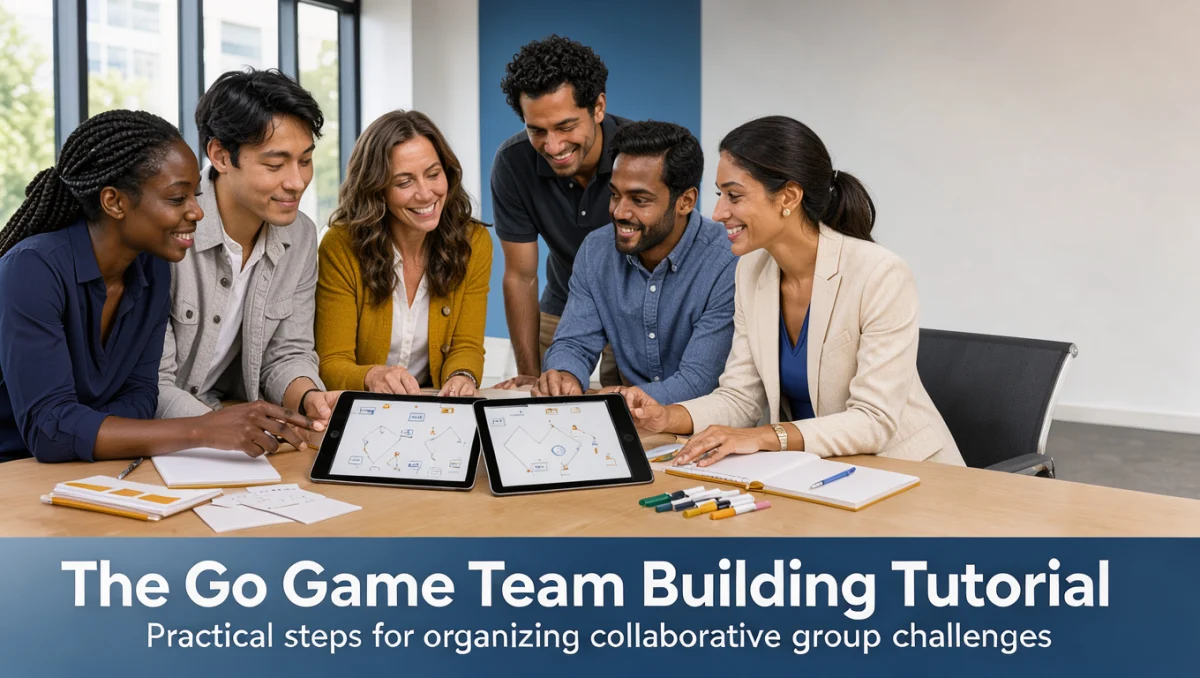
The Go Game is an innovative platform designed to foster team cohesion and communication through interactive, gamified experiences. This tutorial is crafted specifically for beginners looking to understand and implement team-building activities using The Go Game effectively. We focus on preparing, facilitating, and evaluating sessions to ensure maximum engagement and positive outcomes.
Successful team events require careful planning, clear objectives, and active facilitation. The Go Game offers a structured approach to group activities, whether your team is co-located, hybrid, or fully remote. Understanding the key stages involved ensures a smooth and impactful experience for all participants. This platform excels at creating memorable, time-boxed events focused on social interaction and collaborative problem-solving.
Key Considerations Before Your First Event
Before diving into a The Go Game session, it's crucial to set clear expectations. This platform is primarily for dedicated team-building events, not for ongoing project management or task tracking. Proper preparation involves defining the event's goals, understanding participant numbers, and ensuring the necessary technical infrastructure is in place.
Organizers should also determine the desired outcomes. Are you aiming to welcome new employees, celebrate a company milestone, or improve inter-departmental relationships? Clearly defining these objectives will help in selecting the most appropriate challenges and themes, ensuring Collaboration & Productivity goals are met.
Getting Started: A Step-by-Step Guide
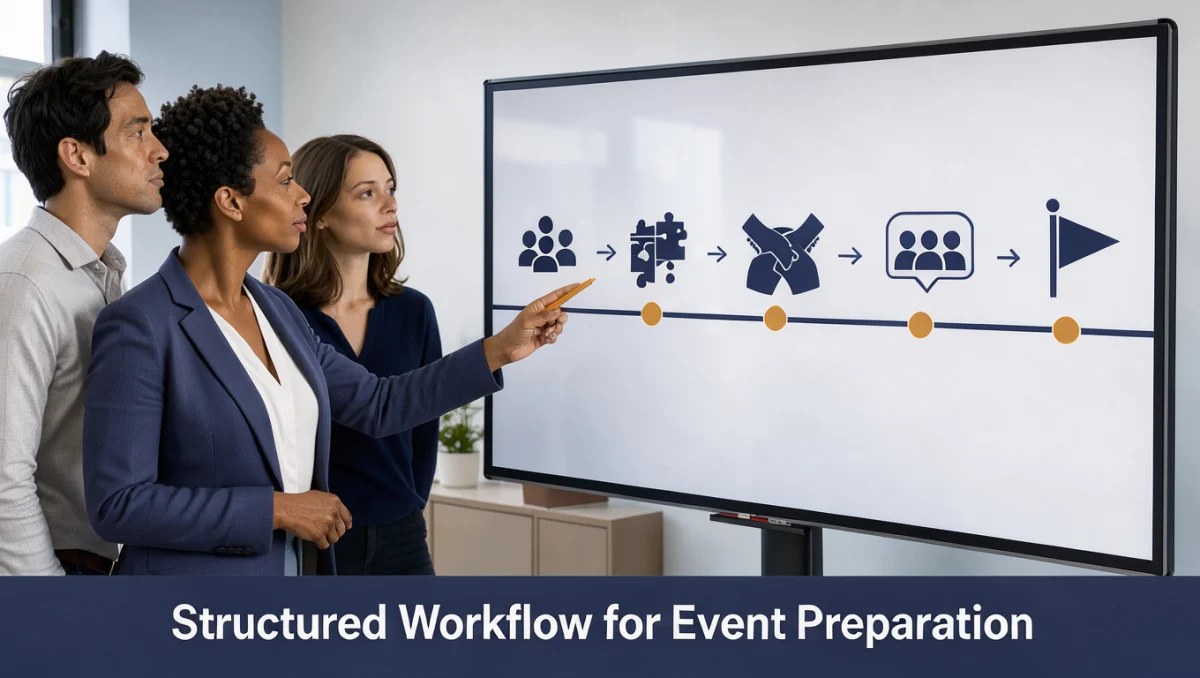
To simplify the process, follow this essential workflow for your first The Go Game team building event. This step-by-step approach covers everything from initial setup to the final wrap-up, making the go game team building tutorial for beginners accessible and easy to follow.
Define Event Goals and Participant Structure
First, decide on the type of event—whether it's an outdoor scavenger hunt, an indoor workshop, or a virtual challenge. Form balanced teams with diverse skill sets to encourage collaboration during timed activities.
Coordinate Scheduling and Technical Requirements
Send out calendar invitations well in advance, including clear instructions for accessing the platform. Crucially, verify that all participants have compatible hardware and stable internet connections to prevent technical issues during live sessions.
Establish Clear Rules and Judging Criteria
Communicate the rules of engagement, scoring mechanisms, and time limits to all participants. Transparent guidelines promote fair competition and ensure that everyone, regardless of their experience level, feels comfortable participating.
Execute the Interactive Session
During the event, teams will engage in various activities such as trivia, creative missions, or location-based challenges. Keep an eye on participation levels and offer support to anyone experiencing difficulties.
Facilitate the Debrief and Conclude
End the event with a review of submissions, highlight memorable moments, and announce the final scores. Celebrating collective achievements reinforces team bonds and the overall value of the experience.
Effective Facilitation Strategies
To maximize the impact of your team-building event, focus on proactive communication and inclusive activity design. Consider creating cross-functional teams by mixing members from different departments to foster new connections and break down organizational silos.
Within each team, designating a captain can help manage decision-making during fast-paced challenges. Team captains ensure focus on task instructions, manage submission deadlines, and encourage input from all members.
Common Pitfalls to Avoid
A frequent mistake is overlooking technical rehearsals. Many interactive platforms rely on stable internet and functioning audio-visual equipment; a failure to test these beforehand can derail the entire event.
Another common oversight is rushing the debriefing session. Sufficient time should be allocated for reviewing scores, showcasing creative submissions, and reflecting on the experience, as this is vital for reinforcing the benefits of gamified challenges for organizational culture.
Who Benefits Most from The Go Game

Small to Mid-Sized Businesses
Growing companies can use structured, facilitated events to enhance internal culture and ease the integration of new employees by providing clear interaction guidelines.
Distributed and Remote Teams
For teams working remotely, virtual sessions offer a valuable opportunity for intentional social engagement, building personal connections beyond standard operational meetings.
Large Enterprise Departments
Corporate divisions can leverage location-based or virtual challenges for large-scale events like annual retreats or quarterly celebrations, effectively engaging hundreds of participants simultaneously.
When The Go Game Might Not Be the Best Fit
This platform is not ideal for organizations requiring persistent task management, agile project tracking, or extensive document repository features. It is also less suitable for individual professionals rather than group-focused competitions.
Frequently Asked Questions
What preparation is needed before a session?
Prepare your participant list, choose an event format, and confirm network requirements via the official portal. Having team rosters ready ensures a smooth start.
How can event success be evaluated?
Evaluate success by monitoring participant engagement, collecting feedback, and observing improvements in inter-team communication post-event. Reviewing creative media and completion rates also provides insight into enthusiasm.
What should be checked regarding event scalability?
Confirm maximum team sizes, facilitator availability, and venue compatibility with the vendor before booking. This prevents scheduling conflicts, especially for large departments across different time zones.
How does gamified team building differ from casual social events?
Gamified team building offers structured tasks and clear objectives, ensuring active participation from all members. Unlike informal gatherings, it prevents events from being dominated by a few individuals.
Final Assessment of The Go Game
| Criterion | Score / 10 | Reason |
|---|---|---|
| Features | 7.5 | Provides varied interactive games, trivia, creative tasks, and debriefing materials. |
| Ease of Use | 8.5 | Offers guided workflows and instructions suitable for beginners. |
| Pricing and Value | 7.0 | Costs vary based on group size and facilitation needs; check official pricing. |
| Integrations | 7.0 | Operates as a standalone activity system, with limited integration into corporate software. |
| Audience Fit | 8.5 | Ideal for cultural events, celebrations, and remote team socialization. |
| Support | 7.5 | Event coordination relies on vendor assistance, confirm terms of service. |
| Competitive Position | 8.0 | A well-established player in corporate team building with customizable formats. |
| Overall Score | 7.7 | Delivers engaging social activities for teams prioritizing structured cultural events. |
For organizations seeking to invest in the right tools, Best Software Reviews offers detailed comparisons and evaluation criteria to guide your decision-making process in 2026. We are committed to helping you find the best solutions for your needs.