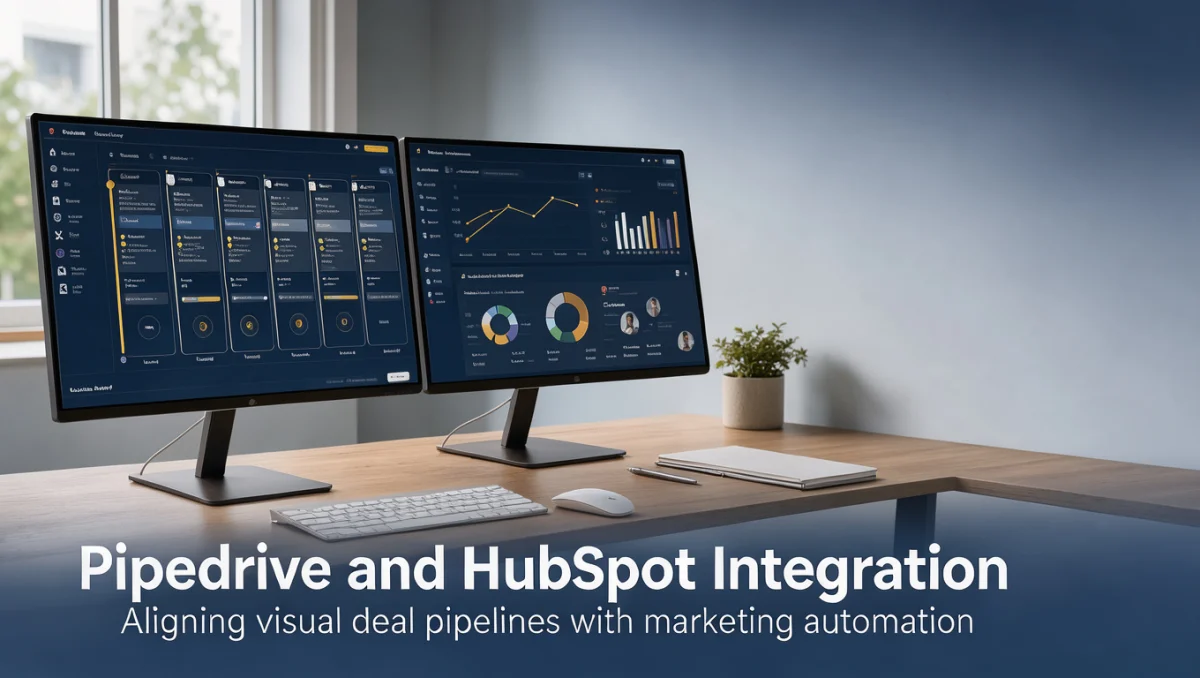
Achieving seamless pipedrive and hubspot integration connects your sales pipeline management with essential inbound marketing tracking. This synergy helps revenue teams collaborate effectively across all deal stages. While sales representatives often prefer focused deal tracking interfaces, marketing specialists need centralized lead capture, email nurturing, and lifecycle analytics. Implementing a robust integration bridge allows organizations to leverage specialized tools for distinct departments without compromising customer data integrity.
Organizations considering this operational pairing must assess whether direct data synchronization aligns with their routine workflows or introduces unnecessary administrative overhead. We delve into the functional boundaries, synchronization logic, and practical team requirements needed to build an efficient data bridge between these customer relationship management environments.
Key Benefits of Connecting Pipedrive and HubSpot
Integrating these powerful platforms offers distinct advantages for businesses looking to optimize their sales and marketing efforts. It ensures that information flows smoothly, providing a unified view of the customer journey.
Synchronized Contact and Lead Management
Contact synchronization ensures that customer profiles are consistent across both platforms. When marketing campaigns capture new leads, these records populate the marketing database and are transferred to the sales platform as prospective contacts. This eliminates duplicate data entry and guarantees that sales outreach notes are aligned with subscriber records managed by campaign managers.
Streamlined Deal Stage and Pipeline Handoffs
Pipeline handoff mechanisms automate notifications or record updates as prospects advance through commercial qualification stages. Once a lead meets specific criteria in marketing nurturing flows, automated triggers create new opportunities within sales deal boards. Conversely, when a sales representative marks an opportunity as closed or lost, pipeline updates can notify marketing specialists to initiate post-sale communication or re-engagement cycles.
Unified Activity and Engagement Logging
Activity logging synchronizes scheduled meetings, outgoing emails, call logs, and customer interaction histories between the connected systems. Sales representatives viewing an active deal can review prior marketing engagement, while campaign managers can see when an account executive held a discovery call. Keeping historical records coordinated across both systems prevents conflicting customer messages and provides a comprehensive interaction history.
Navigating the Integration's Usability and Administration
Setting up an interconnected data bridge involves dual-system maintenance that requires careful initial configuration and ongoing record hygiene. While individual users continue working within their familiar daily interfaces, system administrators must understand field mapping, bi-directional sync rules, and conflict resolution protocols to ensure smooth operation.
Field mapping errors are the most common operational challenge during setup. If custom properties do not match exactly between platforms, field values may fail to transfer or incorrectly overwrite existing customer information. Teams must clearly document which database acts as the single source of truth for critical customer attributes, such as lifecycle stage or contact owner, to prevent data inconsistencies.
For frontline representatives, day-to-day usability remains intuitive as each specialist operates within their preferred working environment. However, when sync delays occur or duplicated entries appear, troubleshooting requires technical familiarity with both administrative dashboards to resolve issues promptly.
Evaluating the Advantages and Disadvantages
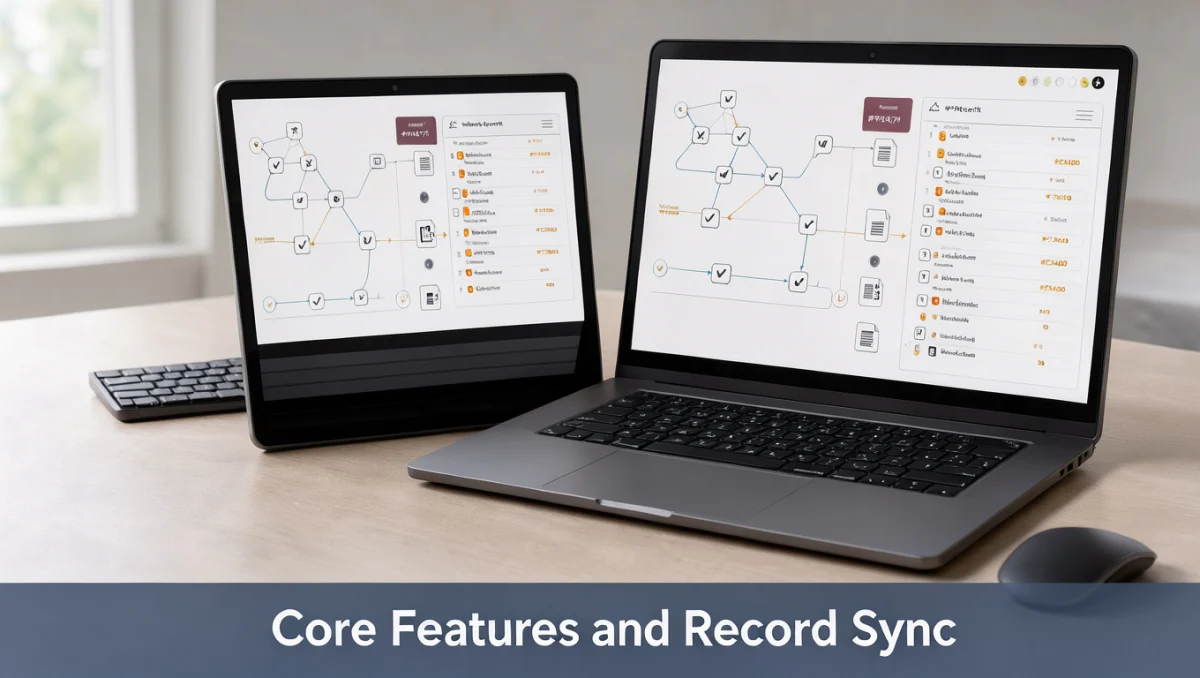
Choosing to connect Pipedrive and HubSpot presents a clear set of pros and cons that businesses should carefully consider before implementation.
Key Advantages
- Maintains visual deal tracking efficiency for closing teams while supporting detailed lead nurturing for marketing departments.
- Reduces manual copy-and-paste data transfers across customer databases, saving valuable time.
- Enhances visibility into customer communication histories across departmental boundaries.
- Enables businesses to select specialized tools that best fit their needs, rather than settling for generalized platforms.
Potential Disadvantages
- Requires dedicated administrative oversight to manage custom field mapping and prevent duplicate records.
- Introduces potential synchronization latency, where updates in one system may take time to reflect in the other.
- Demands separate software subscriptions that must be monitored individually.
- Requires troubleshooting skills across multiple vendor ecosystems when data flow interruptions arise.
Pipedrive and HubSpot Integration vs. Alternative Solutions
Organizations seeking unified Sales and marketing operations face a strategic choice between connecting specialized applications or adopting comprehensive, monolithic platforms. While all-in-one ecosystems offer native data alignment without external connectors, they might present overly complex interfaces for sales representatives preferring straightforward visual pipeline cards.
Connecting Pipedrive with marketing automation via third-party middleware or native connectors preserves specialized workflow speed and user preference. Evaluating these trade-offs helps teams balance setup simplicity against specialized interface preferences within their wider software stack.
Who Benefits Most from This Integration?

Determining whether to bridge two platforms depends on company size, available technical resources, and how responsibilities are divided internally. This architecture is particularly beneficial for specific types of teams and organizations.
Ideal for Growing Sales Teams
Growing commercial teams that rely on daily pipeline visualization benefit significantly from this configuration. Sales development representatives and account executives can maintain high outreach momentum without navigating extensive marketing menus, while management can track consistent pipeline progression.
Suitable for Inbound Marketing Agencies
Agencies delivering lead generation programs can efficiently route qualified contacts directly into client pipelines without altering the client's closing routine. This separation allows agencies to maintain access to campaign performance metrics while keeping client deal stages private and organized, enhancing client trust and operational clarity.
Final Considerations for Your Integration Strategy
Buyers must verify technical requirements on official vendor pages before committing organizational resources to this software bridge. Understanding the nuances of field mapping, data synchronization direction, subscription tier prerequisites, and conflict resolution settings is crucial for a successful implementation.
By carefully planning and configuring your pipedrive and hubspot integration, you can create a powerful synergy between your sales and marketing departments. For more insights on optimizing your software stack, explore resources at Best Software Reviews.