When evaluating outbound sales tools, the distinction between Kixie and Orum highlights two fundamentally different strategies for enhancing representative performance. While both aim to streamline the process of connecting with prospects, they cater to diverse team workflows and operational priorities. Your choice hinges on how your team initiates contact, manages interactions, and structures daily sales activities.
It's crucial to look beyond superficial categorizations and analyze each platform's calling style, workflow compatibility, and administrative demands. The ideal solution depends on whether your sales reps excel at building relationships through multi-channel outreach or focus on high-volume cold calling with the goal of immediate live connections.
Quick Verdict: In our comparison of kixie vs orum, the solutions collectively score 7.8/10. Kixie is often preferred by teams employing multi-step cadences involving voice and messaging, while Orum appeals to high-volume outbound prospecting teams prioritizing live phone conversations.
| Metric | Summary |
|---|---|
| Best Software Reviews Score | 7.8/10 |
| Ideal For | Outbound sales teams balancing calling cadences with CRM updates |
| Not Recommended For | Organizations needing simple communication without structured outbound prospecting |
| Key Strengths | Automated outbound calls, sales workflow tracking, CRM record synchronization |
| Pre-Purchase Checklist | Review official plan details, carrier fees, and connection policies on vendor websites |
Understanding the Review Process
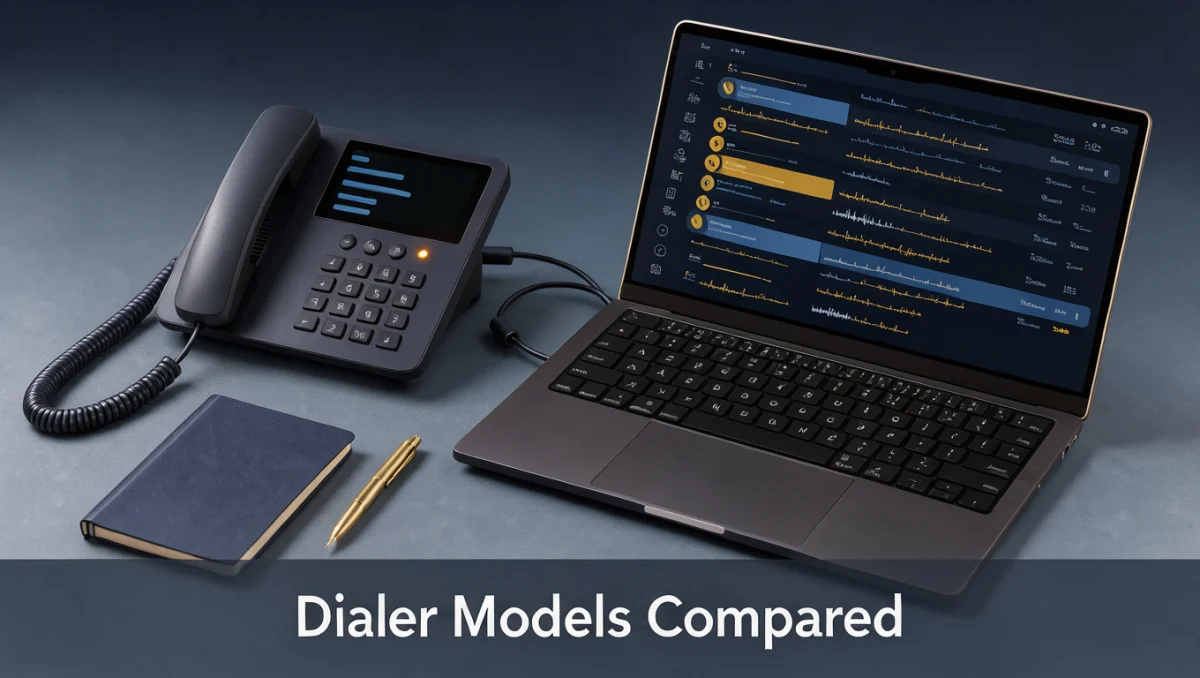
This review thoroughly examines the intended purpose, target audience, and comparative strengths of Kixie and Orum. We assessed them against seven key criteria: features, usability, pricing and value, integrations, audience suitability, support, and competitive standing. Recognizing that plans and pricing are subject to change, we advise confirming details directly on the official vendor sites. This analysis was compiled with AI assistance and finalized by the Best Software Reviews Editorial Team.
The Core Difference: Kixie vs Orum
Kixie excels in sales engagement telephony, integrating automated dialing, two-way messaging, and CRM synchronization for individual reps and account managers. Conversely, Orum specializes in multi-line parallel and automated dialing systems designed to bypass answering machines and connect reps directly with live prospects. The central question for your team is whether a consistent multi-channel sales desk or an intensive call accelerator for cold prospecting is the priority.
Platform Positioning and Target Audience

A deeper look into the architectural design reveals the specific team environments where each platform thrives.
| Tool | Best For | Core Strength | Consider If |
|---|---|---|---|
| Kixie | Reps managing mixed outreach cadences | Integrated calling and messaging tied to contact records | Relationship building and multi-touch follow-up are prioritized over call volume |
| Orum | Dedicated business development teams doing targeted cold calling | Live conversation connection and automated dialing speed | Maximizing live talk time during dedicated calling hours is the main goal |
Feature Set Breakdown
Kixie's Capabilities
Kixie offers telephony infrastructure focused on individual agent calling, featuring automated single-line dialing and multi-channel messaging. It supports inbound call routing, click-to-call, voicemail drops, and two-way business texting, making it suitable for full-cycle sales professionals handling both initial outreach and ongoing client management.
Orum's Focus
Orum concentrates on accelerating high-velocity outbound calling. Its multi-line automated dialing rapidly processes prospect lists, filtering out non-human responses to connect sales reps with live individuals. This design minimizes the dead time associated with listening to dial tones or leaving repetitive voicemails during cold outreach.
Usability and Learning Curve
Kixie's User Experience
Kixie functions much like a traditional sales phone system integrated into daily workflows. Sales representatives familiar with basic CRM dialers can quickly adapt to its interface, utilizing standard controls for dialing, call logging, and text composition without altering their established habits.
Orum's Session-Based Approach
Orum introduces a dedicated session-based calling workflow. Representatives load prospect lists, initiate a calling session, and await live prospect connections. This model requires adaptation to rapid conversational transitions, as calls connect instantly with minimal downtime between prospects.
Pricing Structures and Value Proposition
Vendors in this space structure their pricing based on various usage metrics. It is essential to verify on the kixie vs orum official websites how subscription fees are calculated, if seat licenses require annual commitments, and how minute or carrier fees are billed. When assessing return on investment, consider how your representatives allocate their working hours. Intensive parallel dialing offers value with large, clean prospect lists and dedicated calling blocks, while full-cycle reps may find consistent value in multi-channel telephony throughout their week.
Integration Ecosystem
Sales dialers critically depend on their integration with CRM platforms. Both Kixie and Orum prioritize synchronizing contact details, call outcomes, and activity logs back to primary databases. Buyers must consult the official integration directories for both platforms to ensure their specific CRM and pipeline management software versions are natively supported, potentially avoiding the need for third-party connectors.
Crucially, examine the bi-directional data synchronization. Understand whether call dispositions, recordings, notes, and tasks update in real-time or via batch processing, as delays can impact automated sequences and reporting.
Audience Alignment
Who Benefits from Kixie?
Kixie is well-suited for small to mid-sized sales teams, account executives, and full-cycle representatives who manage both new business prospecting and ongoing customer follow-ups. Its feature set supports regular phone calls, scheduled callbacks, and conversational texting across the entire deal lifecycle.
Who is Orum For?
Orum is primarily designed for dedicated business development representatives, sales development teams, and high-volume outbound agencies. These professionals measure success by the number of cold conversations held daily and require software engineered to eliminate unanswered dials during structured calling blitzes.
Customer Support and Implementation
Telephony and automated dialing systems involve complexities like carrier deliverability, audio routing, and real-time CRM webhooks. When evaluating customer support for Kixie and Orum, review the official service documentation for onboarding resources, administrative training, and technical support channels. Determine if your internal team can manage number reputation, local area code configurations, and list hygiene independently, or if vendor-assisted setup is necessary.
Competitive Landscape
Kixie's Market Position
Kixie is positioned among comprehensive sales dialers and engagement systems, competing with platforms like PhoneBurner and CloudCall. It emphasizes reliable telephony for multi-step outreach throughout all sales pipeline stages.
Orum's Niche
Orum operates in the conversational acceleration and parallel dialing sector, alongside tools such as Nooks and ConnectAndSell. Its market identity centers on maximizing live conversation volume per representative hour through rapid list processing.
Making the Right Choice: Kixie or Orum
Selecting the appropriate tool necessitates an audit of your team's workflow, the quality of your prospect lists, and the daily responsibilities of your representatives. Use this framework to guide your decision:
- Analyze Representative Roles: Identify whether your team comprises full-cycle account executives needing consistent calling and messaging, or dedicated SDRs focused solely on outbound cold calls.
- Evaluate Calling Volume and List Size: Assess your team's daily target contact numbers. High-velocity parallel dialing requires extensive, verified contact lists to remain effective without quickly exhausting outreach territories.
- Review Messaging Needs: If your strategy incorporates conversational SMS alongside voice calls, examine how each platform handles text messaging details on their official documentation pages.
- Audit Administrative Capabilities: High-volume automated dialing demands rigorous phone number reputation management and compliance oversight to sustain connection rates across telecom carriers.
Pros and Cons at a Glance
Kixie: Advantages and Disadvantages
- Unified voice and two-way business messaging within sales workflows.
- Fits standard daily representative routines without specialized call session blocks.
- Enables click-to-call and direct dialing from contact records.
- Requires manual pacing per prospect compared to multi-line automated dialing.
- Demands steady prospect research time between individual calls.
Orum: Advantages and Disadvantages
- Significantly reduces idle time by filtering out voicemails and busy signals.
- Maximizes live conversational pickups during dedicated calling blitzes.
- Organizes outbound prospecting into focused, measurable calling blocks.
- Requires reps to pivot instantly into conversations without previewing prospect files.
- Can deplete smaller prospect databases rapidly if list hygiene isn't maintained.
Frequently Asked Questions
Which software is best for a full-cycle account executive?
Full-cycle sales professionals generally gain more from unified telephony supporting both incoming and outgoing calls, scheduled follow-ups, and two-way messaging. Single-line sales dialers integrated into daily record management avoid the rapid context switching of high-volume session dialing platforms.
What should buyers look for in phone number reputation management?
Confirm how each platform handles local presence dialing, number registration, and caller ID standards. High-volume calling can trigger carrier spam flags if numbers aren't properly configured, making reputation tracking vital.
How does prospect list quality affect parallel dialer performance?
Parallel dialing systems depend on clean, accurate phone lists with direct lines or mobile numbers to achieve high connection rates. Poor data quality results in reps spending valuable time navigating gatekeepers instead of speaking with decision-makers.
What technical requirements should sales leaders verify?
Sales leaders must review network bandwidth, headset hardware, and CRM field mapping rules. Telephony software needs stable network latency to prevent audio issues during live conversations.
Final Recommendation
The kixie vs orum comparison reveals two distinct sales dialing models tailored for different outbound strategies. Your choice should align with whether your team prioritizes multi-touch engagement across the sales cycle or high-volume live conversation acceleration during prospecting sprints.
| Criterion | Score /10 | Reason |
|---|---|---|
| Features | 8.5 | Clear functional depth within each platform's dialing and engagement model. |
| Ease of Use | 8.0 | Standard dialers offer gentle learning curves; session-based tools require workflow adjustment. |
| Pricing and Value | 7.0 | Value is highly dependent on calling style match and list hygiene; verify current plans. |
| Integrations | 7.5 | Both synchronize core calling records; confirm exact field mapping. |
| Audience Fit | 8.5 | Clear differentiation for full-cycle reps versus dedicated outbound prospecting teams. |
| Support | 7.0 | Implementation requires administrative oversight; review onboarding resources. |
| Competitive Position | 8.0 | Both hold distinct, recognizable positions in the sales acceleration software market. |
Overall Score: 7.8/10
For teams seeking balanced multi-channel communication with integrated texting and voice, Kixie offers an organized daily workflow. For business development teams focused solely on maximizing live outbound conversations per hour, Orum provides an accelerated calling structure. If you need guidance on selecting the ideal Sales software or wish to share your team's evaluation, please contact the Best Software Reviews team or connect with us on LinkedIn.