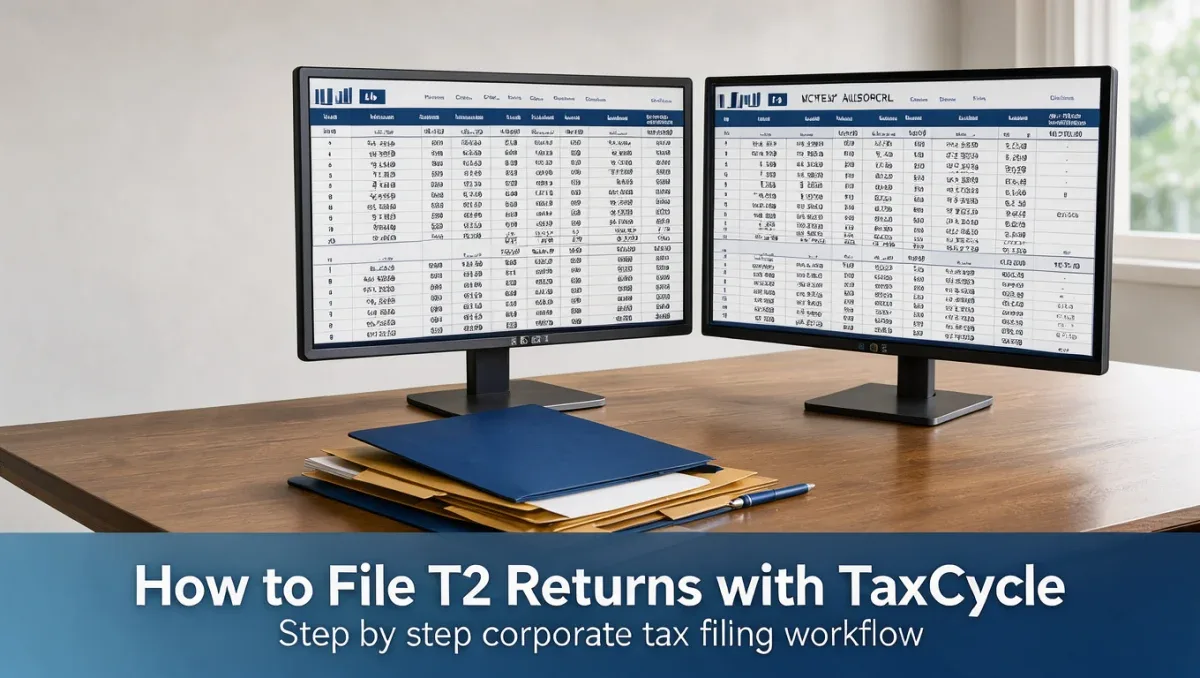
Effectively navigating the process of filing T2 corporate returns with TaxCycle hinges on developing a structured workflow before inputting any data. Our aim at Best Software Reviews is to detail practical tax preparation methods that maintain organized and compliant business records throughout the entire corporate filing cycle. This involves a close coordination between financial statements, general ledger balances, and specific corporate tax schedules.
The core of understanding how to file t2 corporate returns with taxcycle lies in grasping the preparation workflow. This approach ensures that every corporate disclosure aligns precisely with the official tax agency guidelines, rather than just memorizing software interfaces. A successful corporate tax filing requires compiling reconciled financial statements, transferring balance sheet and income items into standardized schedules, verifying tax reconciliation, and finally, transmitting the electronic file after all diagnostic reviews confirm zero outstanding errors.
| Key Aspect | Details |
|---|---|
| Target Audience | Business owners, bookkeepers, and tax professionals handling federal corporate returns. |
| Prerequisites | Final trial balance, prior year assessment notices, capital cost allowance schedules, and corporate identification. |
| End Result | A thoroughly verified corporate return file, ready for electronic transmission and secure client archiving. |
Gathering Essential Documentation
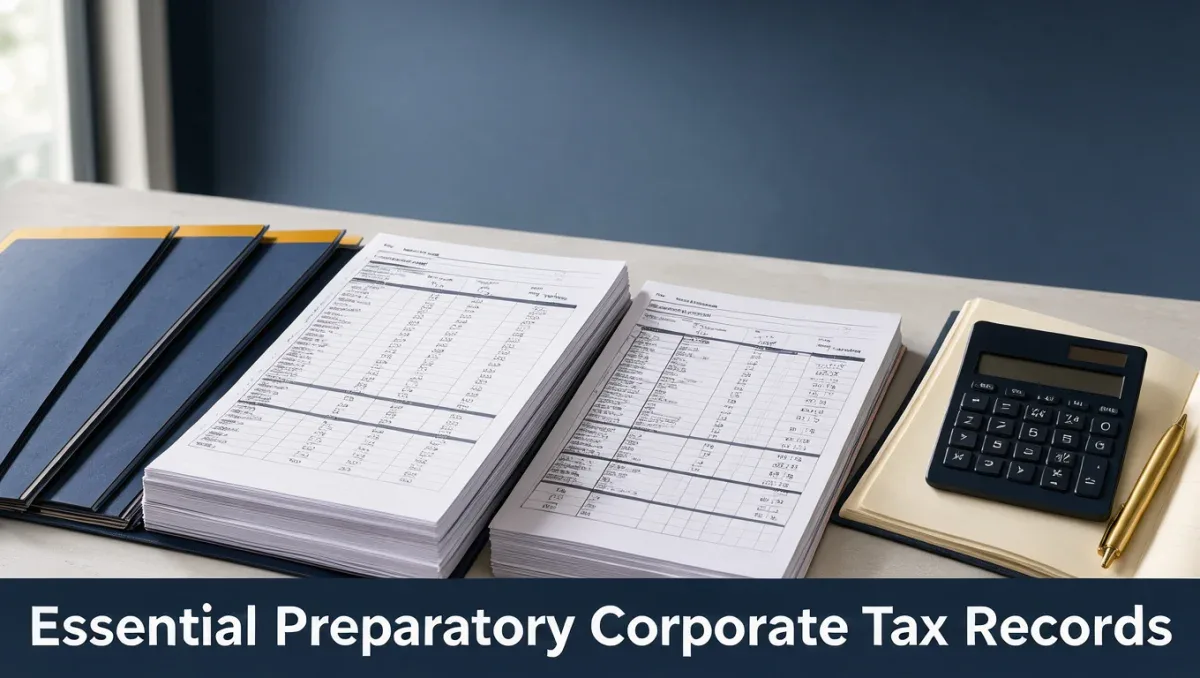
Assembling all necessary documentation in advance is crucial. This proactive step prevents calculation discrepancies and significantly minimizes diagnostic warnings during the return preparation phase. Professional Accounting practices consistently show that gathering all source materials upfront leads to considerably cleaner return data and a smoother filing process.
- Signed annual financial statements, including the balance sheet, income statement, and retained earnings summary.
- A final trial balance accurately mapped to the general index of financial information codes.
- The prior year's notice of assessment, along with official statements of loss carryforwards or balance updates.
- Detailed schedules documenting asset additions and disposals to accurately verify capital cost allowance (CCA) calculations.
- Essential corporate registration details, including business numbers and provincial jurisdiction identifiers.
- Records of shareholder transactions, dividend payment resolutions, and balances for related party loans.
Step-by-Step Filing Workflow with TaxCycle
Corporate tax filing adheres to a distinct accounting sequence, moving from broad entity information to highly specific tax calculations. It is vital to confirm each operational step on the official TaxCycle documentation pages to stay aligned with the latest regulatory filing updates.
- Verify all corporate identifying information and tax year dates to establish the correct filing parameters for the specific corporate entity.
- Import or manually enter financial statement data into the designated financial information schedules to construct the underlying accounting balance sheet and income profile.
- Reconcile the accounting net income with the net income for tax purposes. This involves making necessary adjustments for non-deductible expenses and accounting timing differences.
- Complete the asset addition and disposal schedules to accurately calculate the appropriate capital cost allowance deductions across all corporate asset classes.
- Review provincial allocation schedules carefully if the corporation conducts business across multiple provincial jurisdictions.
- Utilize the software's diagnostic checks to identify and resolve any validation warnings before attempting the final data transmission.
- Obtain formal client authorization signatures on the official transmission consent forms prior to initiating electronic filing.
- Transmit the electronic corporate return file and meticulously archive confirmation receipts alongside the complete tax file record.
Building Strong Initial Filing Habits
Establishing dependable operational habits during the initial weeks of corporate return preparation is key to maintaining clean audit trails throughout the entire filing period. This proactive approach ensures accuracy and compliance.
| Week | Routine to Build | Importance |
|---|---|---|
| Week 1 | Assemble core working papers and map general ledger accounts. | Eliminates structural balance mismatches before schedule data entry begins. |
| Week 2 | Execute schedule reconciliations for depreciation and business expenses. | Confirms that accounting balances accurately match statutory tax calculations. |
| Week 3 | Run diagnostic sweeps and clear structural filing warnings. | Identifies missing required disclosures prior to final review meetings. |
| Week 4 | Execute electronic transmission and verify official filing confirmation codes. | Guarantees complete regulatory submission and preserves essential digital evidence. |
Avoiding Common Filing Errors
Filing corporate tax returns carries significant administrative responsibility, and certain recurring errors can unfortunately trigger review inquiries from tax authorities. Being aware of these pitfalls can help you prevent them.
- Mismatched retained earnings: Failing to reconcile opening retained earnings with prior year notices creates immediate and problematic balance inconsistencies across multiple schedules.
- Incomplete asset disposal logging: Neglecting to record the proceeds and original costs for disposed equipment can significantly distort terminal loss and recaptured depreciation calculations.
- Overlooking non-deductible items: Forgetting to add back items like government interest, penalties, or certain meal expenses misstates the net corporate taxable income.
- Skipping diagnostic notices: Ignoring even low-priority software alerts often leads to rejected electronic transmissions at the tax agency gateway.
- Premature transmission: Transmitting files before receiving signed client authorization forms can result in compliance violations for the preparer.
Knowing When to Seek Expert Assistance
While preparation tools effectively structure the calculation process, complex corporate transactions frequently warrant professional consultation. Corporate tax rules contain intricate technical provisions that demand careful interpretation by experts.
- Corporate restructuring: In situations involving amalgamations, rollovers, or share capital reorganizations, it is highly advisable to seek advice from a specialized tax accountant.
- Multi-jurisdictional operations: When a corporation conducts business across international borders or in several provinces, consult an international tax advisor to verify complex nexus rules.
- Disputed historical assessments: If prior tax years have unresolved dispute notices, consult with legal or accounting counsel before filing any amendments.
- Software workflow assistance: When experiencing challenges with data file connections or specific software functionalities, reach out directly to the official vendor customer support team for help.
Frequently Asked Questions About T2 Filing
How much preparation time does a standard corporate filing require?
Preparation time can vary significantly depending on the condition of the underlying bookkeeping records. A straightforward corporation with clean working papers might require several hours for review and reconciliation. However, complex operations involving extensive asset transactions or multiple divisional schedules can demand several days of meticulous verification.
What should be done if an electronic transmission is rejected?
When an electronic transmission fails, the filing gateway typically generates specific diagnostic rejection codes. Preparers should carefully review the explanation provided with each code, adjust the corresponding schedule values within the file, verify that opening balances align with official assessment notices, and resubmit the transmission after resolving all highlighted errors.
Is a professional accountant necessary when filing corporate returns?
While software effectively guides data entry into required schedules, corporate tax law is complex, involving intricate rules regarding deductions, capital cost classes, and tax credits. Engaging a licensed professional accountant ensures that all calculations comply with relevant statutory standards, significantly reducing the risk of costly filing revisions. For help choosing the right tools, consider visiting Best Software Reviews.
How should corporate filing records be preserved after submission?
Tax preparers and corporate officers must preserve digital copies of the final filed return, transmission receipts with transaction timestamps, signed client consent forms, and all supporting general ledger schedules. Retaining these records in secure digital archives ensures readiness for any post-assessment information requests.
Concluding Your Filing Process
Once all corporate return data has been meticulously compiled, taking structured follow-up steps ensures complete regulatory closure for the tax year. This final stage is as important as the initial preparation.
- Confirm that all electronic transmission receipts have been securely stored alongside the final return working papers.
- Calculate any outstanding corporate balance owing or refund due, and schedule the corresponding corporate payments or receipt of funds.
- Provide the corporate client or internal management with final, signed copies of all completed schedules and reports.
- Set calendar reminders for essential corporate installment payments for the subsequent fiscal year to maintain compliance.